Why is PEX Plumbing Bad? Exploring the Potential Challenges

Why is PEX plumbing bad

Let’s Discover The Facts on Why is PEX Plumbing Bad

Ease of installation and affordability are the two prominent reasons that make PEX plumbing a popular choice. Many homeowners in the 80s and 90s favored PEX (cross-linked polyethylene). Of late, the popularity of this plumbing option has come down drastically. What are the reasons? Why is PEX plumbing bad? Let us unmask the cons of this plumbing method.

Reduced Longevity

Most people appreciate the flexibility of this material. However, it does not offer high durability like other options available. Materials like PVC and copper provide a better lifespan than PEX. Exposure to UV rays makes it weak and prone to damage. So, it is not a suitable option for outdoor applications.

Unhealthy Relationship with Chlorine

The impact of chlorine and other chemicals hurts these pipes. The situation can get worse if you live in an area where the water contains high amounts of chlorine. The presence of chlorine intensifies the brittle oxidative failure to cause leaks and a shortened life cycle. Therefore, many people have started replacing PEX with copper and PVC with the help of affordable plumbing service providers.

Not an Eco-Friendly Choice

Everybody talks about environmental-friendliness and sustainability nowadays. PEX plumbing does not go well with your eco-conscious lifestyle. In short, it is not a recyclable material and causes harm to the environment. According to environmental experts, this material does not degrade fast and may last up to 3 decades.

Water Contamination

It is not a common situation with PEX plumbing. However, water contamination can become a concern in certain situations. When these pipes are installed deep beneath the ground where moisture exposure is higher, PEX lines are vulnerable to water contamination due to bacteria. Remember that it is not a common problem that people often have to deal with. Bacteria penetration occurs in extreme cases. If you experience this issue, seek the help of an emergency plumber Houston to find a permanent solution.

Vulnerability to Rodents

Many users complain about the vulnerability of PEX to rodents. These pests chew through PEX material to cause frustrating water leakage issues. Eventually, it damages your home waterline system and makes it susceptible to contamination. Do you have rodents in your home? Replace the PEX water lines with a more durable material like copper to ensure the best protection against rodents.

Why is PEX plumbing bad?

Ultimately, the best type of plumbing for your home depends on your circumstances. While PEX offers certain advantages, its limitations may not suit every situation. You can choose better options like copper or PVC to overcome the limitations of the PEX plumbing system.

What Makes Pipe Insulation an Inevitable Investment?

Pipe insulation

Exploring Why Pipe Insulation is a Smart Investment for Your Home

Should I insulate my household water pipes? Do you keep asking this question to yourself? If yes, put an end to the consideration and perform pipe insulation immediately. If you want to optimize the efficiency and longevity of your plumbing system, you must insulate the pipes. Let’s delve into the key reasons to prioritize insulating your water pipes.

Better Protection against Frozen Pipes

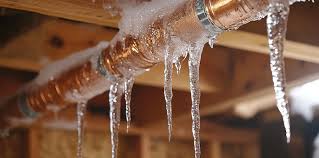
Do you want to prevent the hassles involved with freezing? Look no further than pipe insulation. When your pipes are exposed to cold air and freezing temperatures, the water inside the pipes freezes and expands. Consequently, these pipes may burst to cause critical damage to your plumbing system.

Sometimes, leaks go undetected for a long time. This situation allows water to get into your home’s infrastructure to cause considerable damage. Insulating pipes prevents all these headaches and proves to be a prudent cost-saving solution over time. Seek the help of affordable repiping services in Houston to perform this task efficiently.

Prevent Condensation and Mold Damage

Insulating water pipes is an inevitable thing to protect them against condensation. When uninsulated pipes accumulate water on their external surfaces, they become highly vulnerable to rusting. Condensation is an issue for cold water pipes in the summer season and hot water pipes in the winter season. So, don’t let your pipes build up moisture.

In addition, overexposure to condensation leads to dripping and makes pipes a perfect breeding space for mold and mildew. This situation creates health issues for you and your dear ones. You may also have to deal with property damage in the long run. Haven’t you yet insulated your pipes? Hire a trustworthy emergency plumber Houston to get this job done fast and affordably.

Reduce Your Energy Expenditure

Pipe insulation helps you cut expenses on your water heating bill. It allows you to lower the amount of energy required to heat water. Proper insulation reduces heat loss when hot water runs through pipes to faucets. What does it suggest? Your water heater does not have to work hard to maintain the temperature. Naturally, you can save money on heating expenses.

Noiseless Performance

Do you hear a strange, clanking noise when hot water runs through pipes? Several people are worried about this strange sound. It could be because of the expansion of the metal pipes. That is to say, the pipe expands with the flow of hot water. You can control this sound by insulating the water heater pipes.

Understand that poorly insulated pipes can make your property vulnerable to cracks, leaks, and erosion. Over time, you may have to deal with damaged furniture, floors, ceilings, and walls. Pipe insulation helps you prevent these complexities without spending a lot of money. Seek the help of affordable repiping services in Houston to get the job done efficiently.

Unveiling the Secrets to Choosing the Best Toilet Paper for Septic Tanks

best toilet paper for septic tanks

How to Choose the Best Toilet Paper for Septic Tanks?

Choosing the right toilet paper for a septic tank is crucial to avoid common mistakes. Toilet papers vary in quality and certain types can potentially harm your septic system. Protect your system by opting for the best toilet paper for septic tanks. Uncover insider tips to help you select the most appropriate papers for your toilet.

Look for Papers Made Using Recycled Fibers

Numerous toilet paper varieties are readily available these days. Many products don’t provide the best results. Search for toilet paper made using recycled fibers. Also known as virgin fibers, these products break down more efficiently and faster than many other toilet papers, including those high-processed, soft versions.

Never Ignore the Biodegradability Aspect

Toilet paper is supposed to break down in the water as they reach the septic tank. It does not mean you can use any paper without a second thought. Some products break down faster than others. Biodegradable versions are a perfect example. That is why the best plumbers in Houston recommend these products. You may not find them as thick or soft as the conventional toilet paper products available on the market. However, they dissolve faster and protect your septic system without causing unwanted damage.

Consider the Sheet Ply and Thickness

Don’t select excessively thick toilet paper. These products are not designed to dissolve quickly in the septic tank. The same thing applies to overly-layered papers. When the thickness increases, the breakdown process gets longer, causing undesirable issues. In other words, dissolvability issues may create clogs in your septic or plumbing system. Eventually, you may need to hire drain cleaning services to rectify these clogs.

Experiment with a Small Quantity

Everybody claims that their products are septic-safe. You should not believe their words blindly. A more prudent approach is to start with a small quantity. After preliminary research, choose one made using a biodegradable material or recycled fiber. Then, test a small quantity for a couple of weeks and monitor the condition. If you don’t notice any issues, you can choose that product for your toilet.

Check Feedback for the Best Toilet Paper for Septic Tanks

Never undermine the importance of user reviews. You should closely evaluate online reviews to find what other users say. Their real-life experiences always help you choose the best toilet paper for septic tanks. You can even talk to your friends and relatives to know their opinions.

Don’t get overexcited when seeing cheap products. Your enthusiasm for instant savings can lead to complex septic tank issues and expensive drain cleaning. So, look for long-term benefits when it comes to buying toilet paper. Prioritize quality and dissolvability to protect your interests. Then, you can compare the costs of different brands to find the most suitable one that delivers the best value for money.

Learn the Craft of Thawing Frozen Pipes – A Guide to Preventing Winter Plumbing Woes

Frozen pipes

Everybody knows that frozen pipes cause great inconvenience. Moreover, they may result in critical damage to your plumbing system. Unattended issues can also lead to costly repair work. The most prominent reason for frozen pipes is the cold climate or weather conditions.

What Causes Frozen Pipes?

If temperature levels drop below 32 degrees Fahrenheit, your pipes may freeze. Insufficient insulation can also lead to this problem. Have you set the thermostat excessively low? Then, the water freezes inside the pipe. When a pipe is frozen, the water pressure drops to extremely low levels.

Whenever you receive very little or no water, you can suspect frozen pipes. How to thaw these pipes? Let us explore and find the best solutions. Here are some DIY methods you can try at home to thaw frozen pipes.

Use a Heat Tape

A heat tape is an excellent option. You can cover frozen pipes with electrically powered heat tapes. These tapes generate consistently low heat to address the problem gradually. Many people also use these tapes to protect pipes from freezing. You can apply them to the most vulnerable areas to prevent freezing.

Use a Hairdryer

A hairdryer is also a handy tool to solve this issue. It warms up the pipe slowly to defrost the pipe. Keep the dryer moving to prevent a particular spot from getting exposed to heat. If you focus on a single area, the pipe may crack. It requires some patience but delivers excellent results.

Use a Space Heater

You can thaw frozen pipes with the help of a space heater. Keep it below the frozen pipe to make heating moderate and gradual. Don’t expose it to direct heat. Do you have a frozen pipe in a small enclosed area? A space heater is the most efficient choice to thaw the pipe safely in such a situation.

Turn Up the Thermostat Slightly to Thaw Frozen Pipes

The thermostat needs to be increased only by a few degrees. The warmer temperature provides mild heat to support the thawing process. You can open the doors to promote the free circulation of warm air throughout the room and to the pipe.

First, you should identify the issue. The defrosting process must be done slowly and gradually. Don’t try to heat them fast. It may cause pipe bursting. These methods are suitable only for less complicated frozen pipes. Seek an affordable plumbing service if the problem is too complex for you to troubleshoot. Expert plumbers will find a solution to your problem immediately.

Tank Vs Tankless Water Heater: Consider These Aspects Before Choosing the One

Tank Vs Tankless Water Heater

Tank vs tankless water heater – this debate is still on. Which one is the best option? Many people do not know how to choose between these two. Let us compare and analyze the advantages and disadvantages of tank and tankless heaters.

Tank Water Heaters

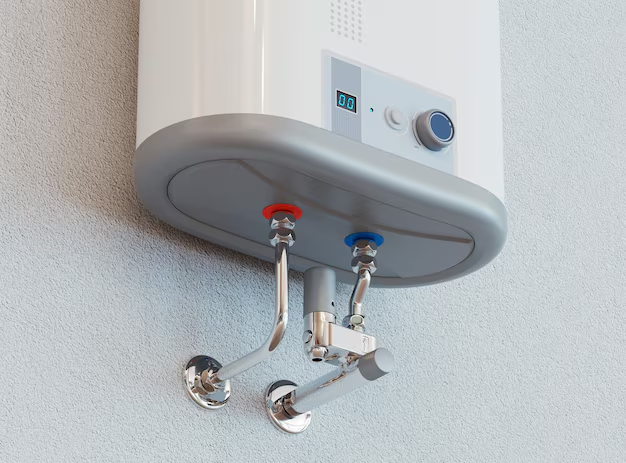
As the name suggests, these traditional water heaters have a tank. Further, they store and preheat water in the tank. The thermostat lets you set the temperature. You can find numerous components inside the insulated storage tank of the water heater. When the temperature drops below the preset, the electric or gas parts will take it back to the set limit.

When cold water enters the storage tank, it triggers the inception of the heating process. Once heating is completed, the water flows from the tank’s upper pipe to the connected faucets.

Tankless Water Heaters

The name reveals that these appliances do not have a tank. Also known as On-demand water heaters, they heat the water based on your requirements. High-powered burners perform the heating process efficiently. To be precise, a heat exchanger increases the temperature of the cold water as required.

Now, let us compare the advantages and disadvantages of the tank vs tankless water heater. This comparison will bring more clarity.

Tank vs Tankless Water Heaters – Pros

Tank heaters are more affordable than Tankless versions. In addition, they are capable of heating large quantities of water simultaneously. What does it suggest? Tank water heaters support concurrent hot water usage during showers, making them ideal for larger families.

With an on-demand heating process, tankless heaters provide improved efficiency. These appliances may last up to 20 years. So, they come with better longevity than tank water heaters. Do not worry about leaks when choosing these products. Moreover, they consume less space than heaters with a tank.

Tank vs Tankless Water Heaters – Cons

Tank heaters consume more power than tankless heaters. Naturally, you can expect higher energy bills. Further, the longevity ranges only between 8 and 12 years. The refilling process of the heated water is slower compared to tankless products. Last but not least, these leak-prone devices consume a lot of space.

Compared to tank heaters, the price of these models is higher. The installation can also be expensive. Sometimes, you may need to install a gas line. The lag time for hot water is a disadvantage. Tankless water heaters are still gaining traction and are not as prevalent as traditional tank models. Corrosion of condensing units can become problematic over time. Seek the help of a water heater repair in Houston to address corrosion-related issues.

Tank vs tankless water heater – which one should you choose?

Now, you have a fair idea about these two water heater models. Let us answer this question without any bias. Are you a budget-conscious person? Do you want an instant installation of a water heater with minimal maintenance? If your answer is yes, a tank water heater is the best option for you. At the same time, a tankless heater is a more durable and efficient appliance that helps you save money on your energy bill. Though the initial cost of purchasing and installing this water heater is higher, it offers the best return on investment in the long run.

Ultimate Guide to Resolve High Water Pressure in Plumbing Systems from Residential Plumbers

Residential plumbers

Does high water pressure cause plumbing problems? Yes. Water pressure can cause a variety of issues. Most fixtures in your home can handle pressure up to 80 psi. Water pressure beyond this limit can lead to system failures. Let’s discuss the adverse effects of unwanted water pressure and focus on the best solutions by professional residential plumbers.

Leaking or Damaged Pipes and Faucet Drips- An easy solution by Residential Plumbers 

Constant, high water pressure puts unwanted strain on pipes. Eventually, the pipes will deteriorate faster than usual, reaching a point where they cannot withstand the flow. This situation results in small leaks. Furthermore, you may have to deal with burst pipes over time. Unattended leaks can also lead to structural damage.

Have you noticed the constant faucet dripping? Does the faucet spit or spray water when turning the water on? Most probably, high water pressure could be the culprit. Don’t be ignorant. Slight negligence can lead to a costly repair or replacement.

Solution: Installing a pressure regulator or pressure-reducing valve can be effective. This device lowers the water pressure to a safe level. You can call an emergency 
Residential plumber in Houston to install the regulator anytime you prefer.

Damage to Appliances? An urgent need to call a residential plumber

Excessive water pressure takes a toll on appliances like dishwashers, water heaters, and washing machines. Remember that manufacturers do not offer a warranty for damage due to high water pressure. Over time, hoses and internal components of appliances deteriorate faster, causing critical damage and even reducing their lifespan.

Solution: Check for water leakage carefully. Does your appliance make any loud noises? High water pressure could be the possible reason. Installing inline pressure reducers or pressure regulators is an excellent option to address this problem. Search for trusted residential plumbers near you to get the job done efficiently.

Water Hammer

Do you hear a loud banging noise when switching off a faucet in your bathroom or kitchen? Technically speaking, it is a hydraulic shock. However, this problem is popularly known as water hammer. What causes this sound? Increased water pressure stops or changes the water flow direction. This situation can lead to the banging of plumbing pipes into one another.

Sometimes, the pipes may bang into the surrounding framing to produce a loud noise. The louder the sound, the more severe the damage. The most common side effect of the water hammer is broken pipes or loosened plumbing connections.

Solution: The basic solution to address the water hammer is to install arrestors to lower the noise. What if you hear a loud sound and a pipe breaks? Contact a trusted emergency plumber in Houston immediately to address the issue. Skilled professionals have the experience and expertise to solve these problems and restore the maximum functionality of your plumbing system.

Continuously Running Toilet

Excessive water pressure wears out the fill valve of the toilet faster. A faulty or malfunctioning valve causes constant running of water from the tank into the bowl. Sometimes, the toilet may flush on its own.

Solution: Adjust the fill valve to prevent the constant running of water. Also, installing a pressure-reducing valve can be an alternative.

Increased water pressure puts extra stress on your plumbing system. The most vulnerable parts are pipes, seals, faucets, and appliances that utilize water. Check water pressure frequently. Unattended problems can lead to serious damage and expensive repair work. Seek professional help to find a solution. Look for experienced plumbers near me residential to identify the underlying issue and solve it immediately.

Do I Need the Expertise of a Professional Plumber for Garbage Disposal Installation?

Garbage Disposal Installation

Are you planning for a new garbage disposal installation? Do you want to replace your existing one? If yes, what to do? Can I do it myself? Should I seek professional help? Then, which professional is best suited for this job – a plumber or an electrician? Many people have some confusion about how to proceed further.

Can I do It Myself?

Are you into plumbing? Then, you can try DIY methods. However, it is better to leave this task in the hands of a professional plumbing service provider. Don’t take up this task only to save on paying labor fees. Garbage disposal installation is a task that requires some experience and expertise. So, don’t try if you don’t have the necessary experience.

DIY methods can lead to several mistakes. Improper installation results in water leakage, thereby allowing water and food scraps to get out of the chamber and pipes. Don’t let this happen to make your kitchen chaotic. It may even cause damage to your home over time.

A Plumber or an Electrician for garbage disposal Installation?

The next question is, which professional should I hire? Which one is better – a plumber or an electrician? Before answering this question, let us create a basic understanding of a garbage disposal system.

A garbage disposal system makes life a lot easier for homeowners. You can install it under the kitchen sink to grind and dispose of food traces and other waste particles down the drain. So, a disposal system is one of the most essential components of a modern kitchen to remove garbage systematically. Furthermore, it is an integral part of your plumbing system.

What does it suggest? Make no mistake. A plumber is the right person to perform this task. However, connecting the garbage disposal to your electrical system is an inevitable task. Fortunately, this is a not complicated one. A professional plumber can perform this task with ease.

Sometimes, a circuit upgrade or rewiring work may become necessary. In such a situation, the plumber may bring an electrician to get the job done. Several plumbers have the knowledge to handle the necessary electrical work by themselves.

Professional Plumbers – A Perfect Mix of Experience and the Right Tools

As mentioned above, plumbing technicians have the experience and expertise to do this job efficiently. Moreover, they have the most suitable tools to perform this task with clinical precision. Overall, seeking professional help lets you relax and focus on your priorities.

Meeting Local Codes and New Permit Requirements

There may be specific codes and regulations you should meet when installing a garbage disposal. Don’t you have a clue about these regulations? Professional plumbing services will take the necessary steps to help you fulfill the much-needed requirements.

Sometimes, a new permit is needed to perform a garbage disposal installation. How to get one from local authorities? Forget about this headache when hiring a trustworthy plumbing service. They will contact the local authorities and do the necessary things to get you a new permit.

Warranty and Insurance Protection

DIY installation methods will not make you eligible for homeowner’s insurance and manufacturer’s warranty. What if something goes wrong? You must spend more money to rectify the damage.

Plumbing services offer a warranty for their work. So, you don’t have to worry about spending money from your pocket when something goes wrong. Further, you will get insurance coverage in case of damage or accidents.

What do these aspects indicate? DIY methods are not the best option for garbage disposal installation. An electrician is not the right person. Further, you must seek the expertise of a professional plumber for garbage disposal installation. It offers the best value for money and protects your interests.

DIY v/s Professional Drain Cleaning – Know the Difference

Drain Cleaning

Does water start to back up in your home? Do you experience any foul odor? If the answer is yes to any of these questions, you must prepare for drain cleaning. It is a process that eliminates debris and waste from your drains and sewer lines. Cleaning the drain is an integral part of maintaining your plumbing system properly.

Common Signs that Make Drain Cleaning Essential

Many people undermine the importance of cleaning dirty drains. This negligence leads to heavier clogging and can make things chaotic. It is a frustrating experience to deal with a severely clogged drain. How to avoid this situation? You must know the common signs that make drain cleaning inevitable. This awareness helps you maintain your plumbing system efficiently.

  • Water Backing Up
  • Bad Smell
  • Gurgling Sound
  • Frequent Clogs
  • Slow Drains
  • Overflowing toilet

If you notice any of these signs, you should plan for drain cleaning in Houston. Seeking professional help is the best option available. Experienced plumbers know the process of cleaning to deliver sustainable results.

Popular DIY Drain Cleaning Methods

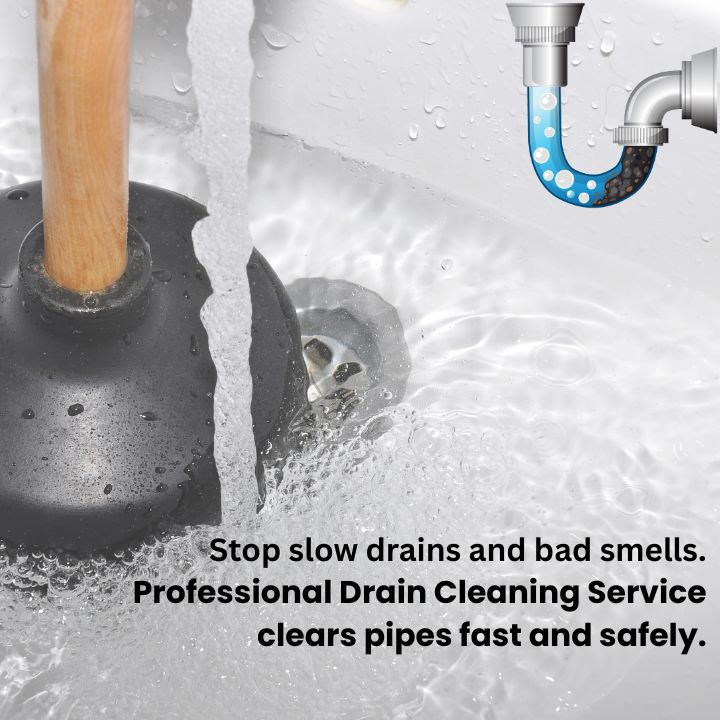
  1. You can use a plunger to unclog a sink or toilet. Choose the right plunger to clean the drain without causing any damage.
  2. A drain snake is an effective option to eliminate the clog. You can come across different types of drain snake devices today. The process starts by inserting a coiled wire down the drain into the clog. This device will break the waste into pieces to eliminate clogs.
  3. Many people use drain cleaning products to remove the clog. Don’t look for cleaning solutions that contain harsh chemicals. Check the ingredients before making the purchase decision.

If you don’t have the necessary experience, you should leave this task to qualified professionals. With the help of advanced tools and technology, they will perform drain-cleaning tasks efficiently.

What to Expect with Professional Drain Cleaning?

You can hire an expert to make the cleaning process goal-oriented. Professional drain cleaning technicians know how to perform all tasks ranging from simple unclogging solutions to complicated cleaning tasks.

Primary Cleaning with a Drain Auger

Skilled experts can deal with almost any size of obstruction within a drain pipe. They will start with a drain auger or a snake drain to remove common impurities.

Spin Casting

Spin casting is the best method to remove stubborn blockages like grease, sludge, and tree roots. Experienced technicians use expanding chain knockers to spin through the line to clean pipe walls.

Sectional Machines

Sectional machines clean a specific area inside the pipe with the help of a spinning action. The length of the machine’s cables is between 7.5 and 15 feet. Driven by a clutch, the coupled cables move forward and backward to remove the blockage. Sectional machines can even go around pipe bends to make cleaning highly effective.

Video Inspection Assessment

Thorough cleaning is needed to remove more stubborn waste. Video pipe inspection is the method professionals employ for in-depth cleaning. A fiber optic cable-mounted camera is inserted through drainpipes to capture the images in the interior parts of the pipes. After watching the images on the monitor, the plumber performs cleaning wherever necessary to eliminate clogs.

Thorough Cleaning with a Hydro-Jetter

After the video inspection, technicians use a motor-equipped hydro-jetter to send high-pressure water into the drain pipe. A hose with a nozzle at the end is pushed through the drain pipe before cleaning. The hydro-jetter maintains the water under high pressure. It blasts water out through the nozzle to remove everything that causes blockage.

The force of the water will be more than 7,000 psi. So, you can expect sustainable results. Technicians may perform another video inspection after the hydro-jetting process to assess the final condition inside the pipe.

Seek the help of trustworthy and experienced drain cleaning professionals to keep your plumbing system optimally functional. When you notice an issue, solve it immediately. Reputed plumbers offer top-quality hydro-jetting drain cleaning solutions at competitive prices to deliver the best value for money.

7 Toilet Stain Remover Tips: Expert Guides

toilet stain remover

Thinking about an effective toilet stain remover? Toilet stains can be stubborn and unsightly, but with the right approach, you can restore your toilet’s pristine appearance. This expert guide will share ten practical tips for removing toilet stains. These methods work and will help you achieve a sparkling clean toilet. Read on to discover the best ways to tackle toilet stains!

Here Are Some Tips To Remove Stubborn Toilet Stain:

  1. Regular Cleaning

The first step to preventing and removing toilet stains is regular cleaning. Use a toilet brush and a mild cleaner to scrub the bowl at least once a week. This routine maintenance will help prevent stains from becoming deeply embedded, making future stain-removal efforts easier.

2.  Baking Soda and Vinegar

One of the most influential and natural toilet stain removers is a mixture of baking soda and vinegar. Sprinkle baking soda around the inside of the bowl, then pour vinegar over it. Let it sit for a few minutes, scrub it with a toilet brush, and flush it. This combination creates a foaming action that helps break down stains and eliminates odour.

3. Lemon Juice

Lemon juice is another excellent natural cleaner for toilet stains. Squeeze fresh lemon juice into the toilet bowl and let it sit for about 30 minutes. The acidic properties of lemon juice work wonders in dissolving stains. Afterwards, scrub the bowl with a brush and flush. Enjoy a fresh-smelling and stain-free toilet!

4. Borax Paste

Borax is a versatile cleaning agent that can also use as a toilet stain remover. Make a paste by mixing borax with a small amount of water. Apply the paste to the stained areas of the toilet bowl, let it sit for a while, and then scrub thoroughly. The abrasive nature of borax, combined with its stain-fighting properties, makes it an effective toilet stain remover.

5. Commercial Toilet Cleaners

There are numerous commercial toilet cleaners available on the market that are specifically formulated to remove stubborn stains. Look for products that mention stain removal or have acidic properties. Follow the instructions on the packaging and then apply the cleaner to the stains, and let it sit for the recommended time before scrubbing and flushing.

6. Hydrogen Peroxide

Hydrogen peroxide is a powerful and effective cleaner for eliminating toilet stains. Pour a small amount of hydrogen peroxide into the bowl and let it sit for around 20 minutes. The peroxide will work to break down the stains. Scrub the bowl with a brush, paying extra attention to the stained areas, and then flush the toilet.

7. Preventive Measures

To maintain a stain-free toilet, consider implementing preventive measures. Avoid using harsh chemicals or abrasive cleaners that can cause stains. Regularly inspect your toilet’s water supply to ensure there are no leaks. Finally, encourage household members to promptly address any spills or stains to minimize the chances of them spreading and becoming harder to remove. It is equally important to keep the toilet stain free.

Conclusion:

With these ten expert tips, you can effectively work as a toilet stain remover and restore your toilet’s cleanliness. Whether you prefer natural remedies or commercial cleaners, there is a solution for every stain. Remember to incorporate regular cleaning and preventive measures to keep your toilet looking spotless. Say goodbye to toilet stains and enjoy a fresh and hygienic bathroom experience.

Home Plumbing Priorities Before You Leave For Vacation

home plumbing

Home plumbing is also a concern when you leave for vacation, apart from other things. The plumbing system is one area that is frequently disregarded. Before departing, failing to maintain the plumbing system might result in unforeseen issues and significant water damage.

So, we’ve compiled a list of things you can do to prepare your home’s plumbing before you go on vacation. This checklist can help you avoid returning to a plumbing crisis in the future.

Here are the top home plumbing concerns you should take care of before leaving:

  • Insulate Exposed Pipes:

It’s critical to prevent your pipes from freezing if you’re on winter vacation. To stop exposed pipes from freezing and bursting owing to cold weather, insulate them with foam wraps or heat tape. Pay close attention to pipes in unheated locations like crawl spaces, attics, or basements.

  • Activate vacation mode on the water heater:

In most contemporary water heaters, you may turn on a vacation or “away” mode. The water heater’s temperature is lowered by this feature, which lowers energy usage while you’re gone.

  • Test and Maintain Pump:

A sump pump is essential to your home plumbing system if your home has a basement or is vulnerable to floods. Check the functionality of your sump pump before departing on vacation. Fill the sump pit with water to start the pump, then check whether it works properly when removing water.

  • Clear Clogged Drains:

Taking care of any clogged drains in your house before leaving. Overflows or backups caused by slow or blocked drains can result in serious harm and discomfort. To remove buildup, use a natural drain cleaner, a plunger, or a drain snake.

  • Have a Professional Plumbing Inspection:

It is strongly advised that you schedule a professional plumbing inspection before departing if you are unsure of the state of your home plumbing system or have experienced repeated problems. A professional plumber can find any possible issues. You may have peace of mind knowing that your plumbing is in excellent condition.

  • Think About Water Heater Maintenance:

It’s a good idea to get your water heater serviced before you go on vacation if it needs maintenance or is near the end of its useful life. A plumber may do a tank flush, check the heating components, and make sure your water heater is functioning at its best.

Conclusion

Before leaving on vacation, take care of your home plumbing to prevent unpleasant surprises when you return. You may prevent plumbing emergencies by putting your water heater in vacation mode, turning off the water supply, checking your sump pump, cleaning clogged drains, insulating exposed pipes, and alerting a reliable neighbour.