Why Houston’s Clay Soil Leads to Slab Leaks (And How to Detect Them Early)

Slab Leaks

Why Houston’s Clay Soil Leads to Slab Leaks (And How to Detect Them Early)

If you’re a homeowner living in Southeast Texas, learning about slab leak Houston will keep your expenses low. The expansive clay soil found in Houston continuously swells in case of moisture and contracts whenever there is lack of it. Therefore, the house’s concrete foundation shifts due to this effect which puts pressure on the plumbing pipes in the ground leading to leaks.
Many times, most people realize that they have a slab leak once their house’s foundation has been compromised, mold infestation or high water bills. But by knowing the early signs, you will be able to take action immediately without having to pay expensive structural costs.
This article will help you understand the effect of the clay soil in Houston on your plumbing system, how slab leaks come about, the signs to watch out for, and when you need to contact a professional plumber immediately.

Reason Why Houston’s Clay Soil Moves Your Foundation

Houston is famous for having clay soil. Clay differs from sand and rock soil in that it takes up a lot of moisture during rainy weather and expands. In the hot weather of Texas, it then contracts.
Such constant expansions and contractions make the soil move under your house throughout the year.
As the soil moves, so does your home’s foundation. Though it looks like small movements, even tiny movements cause lots of pressure on your underground water lines.
This causes your plumbing connections to weaken, bends your copper pipes, and makes your water lines crack.
Since this occurs gradually, people will never know anything is wrong until the leakage starts.

Why Houston Houses Are Prone to Slab Leaks

There are several factors that make the occurrence of leaks beneath the foundation common in Houston.
 

Expansive Soil Composition

The soil composition of Houston is highly expansive compared to others.

Rainfall

Houston experiences high rainfall which increases the expansion of the soil beneath the foundations.

High Temperatures

Long spells of dry weather cause a lot of contraction of the soil leading to an uneven settling of the foundations.
Copper plumbing beneath the slab that is present in old houses in Houston becomes weaker with time.

Tree Root Activity

In addition, trees growing close to your home absorb moisture from the surrounding soil. As a result, the soil dries out unevenly, causing the foundation to shift. Over time, this movement places extra stress on underground plumbing pipes and increases the risk of a slab leak.
All these factors combine to make the ideal situation for slab leaks.

How Pipes Get Damaged Under Foundation Stress

Water lines under the concrete slab are supposed to serve for many years to come. However, they are not built to endure all the stress from shifting.
When the foundation shifts, the lines underneath will have to undergo:
  • Bending
  • Compression
  • Straining
  • Joint cracking
  • Corrosion
  • Scratching against concrete
In time, small cracks develop.
In the beginning, leaks might only cause minor drips of water. Eventually, the opening becomes large enough to cause water to constantly seep out from under your house.
Since the leak happens below the foundation slab, most people don’t notice water pooling up until damage has taken place.
Slab Leaks

Common Causes of Slab Leaks in Houston

Aside from foundation shifts, there are many reasons why slab leaks happen.

Pipe Corrosion

The minerals present in water corrode metal pipes over time. Improper Installation Incorrect installation causes pipes to endure extra stress below the slab.

High Water Pressure

Excessive water pressure wears out pipes and causes leaks.

Abrasion

The pipes can be worn down by rubbing against the gravel and concrete.

Foundation Settlement

Foundation settlements exert pressure on underground plumbing lines.
Early Indicators of a Slab Leak Early recognition helps in preventing unnecessary costs related to your foundation.

Early Warning Signs of a Slab Leak

Early recognition may save you from expensive foundation repair costs. The following is the list of some of the common indicators you should not miss.

1. Warm Floor

The first early indication of a hot water slab leak is a warm spot on the floor. In case any part of your tile, hardwood, or laminate flooring is warm compared to other parts, then there could be a hot water leak under the slab. Though this warmth does not cause much trouble initially, it is always an indication of a current leak under the slab and needs to be attended.

2. Cracks in Walls or Floors

Uneven settlement of the foundation causes stress to the underground pipes. The following signs may start appearing:

  • Interior wall cracks
  • Floor cracks
  • Ceiling cracks
  • Sticking doors
  • Difficulty opening windows

These symptoms are usually associated with both foundation movement and plumbing issues.

3. Odors of Mold/Mildew

Musty or moldy odors: Furthermore, mold grows quickly when water becomes trapped beneath your flooring. As a result, you may notice persistent musty odors even if there are no visible signs of a leak. Therefore, don’t ignore these smells, as they often indicate moisture buildup beneath the concrete slab and could be an early sign of a hidden slab leak.

4. Moisture in Flooring

Damp or discolored flooring: Also, if your carpet feels damp or your floor has stains or discoloration, water may be leaking from beneath the concrete slab. As a result, the leak can damage your flooring and encourage mold growth. Therefore, contact a plumber as soon as you notice these signs to prevent more expensive repairs.

5. Low Water Pressure

The water line will be leaking and, thus, water will not get into your house in sufficient amounts to flow through faucets.

6. Running Water Sounds

When you hear running water sounds despite having all taps closed, there could be water leaks under the foundation.

Possible problems include:
  • Foundation damage
  • Mold growth
  • Damage to the flooring
  • Structural settlement
  • High water bills
  • Plumber failures
  • Reduction in property value
It will become easy to make the repairs when you notice the leak early.

Professional Services for Slab Leak Detection

Fortunately, modern plumbers use advanced tools to find underground water leaks without digging. As a result, they can locate the leak quickly and accurately. This helps reduce damage to your property, lower repair costs, and speed up the repair process.
Some of the professional services for slab leak detection include:

Electrical Leak Detection

The sensitive acoustic tools are used to trace water escaping under the concrete.

Thermal Imaging

Infrared camera is used to find out the temperature changes due to the water leaks.

Pressure Test

The pressure test helps to determine the presence of any hidden leaks in the plumbing system. Pipe Inspection Video Foundation settling results in stress to the underground pipelines. Signs of a Slab Leak Early On Proper early detection helps in saving the foundation from expensive repairs.
Below are the warning signs that should not be overlooked
Contact a plumber right away if you see:

How Can You Help Prevent Slab Leaks?

Not all slab leaks can be prevented but homeowners can do things that will decrease the risk of slab leaks.
  • Have annual plumbing inspections.
  • Check your water bill every month.
    Uneven settling of the foundation can cause tension in the pipes under the ground.

Early Signs of a Slab Leak

Being aware early can save you money from foundation repairs.

Here are some early signs that you should not miss:

  • Warm floors
  • Unexplained increases in your water bill
  • Continuous water meter movement
  • Cracks in your walls or foundation

Protecting Your Houston Property from Small Leaks before They Turn into Major Repairs

Houston’s distinctively clay-based soil creates unique plumbing challenges that many other regions do not experience. As the soil expands and contracts throughout the year, it continuously shifts beneath your home’s foundation. As a result, this movement places significant pressure on the underground plumbing pipes, making slab leaks in Houston one of the most common hidden plumbing problems.

Fortunately, early detection can save you thousands of dollars in costly structural repairs. For example, if you notice warm floors, unexplained increases in your water bill, continuous water meter movement, or cracks in your walls or foundation, these could all be signs of a hidden slab leak. Rather than ignoring these warning signs, it’s important to act quickly. As soon as you notice any of these symptoms, contact a professional plumber for a thorough inspection. By doing so, you can prevent further damage, protect your home’s foundation, and avoid more expensive repairs in the future.

With advanced slab leak detection technology, experienced plumbers can quickly locate the source of the leak and recommend the most effective repair solution. By acting early, you can protect your foundation, prevent further water damage, and avoid more expensive repairs in the future.

Related Articles

For more information on how to protect your plumbing system, check out these informative articles:
  • Slab Leak Detection Houston
  • Impact of Houston Hurricanes on Your Plumbing System 
  • Slab Leak Repair Services 

Book Your Slab Leak Detection in Houston Now!

Don’t let a hidden slab leak damage your foundation any longer!
 
Schedule Your Slab Leak Inspection in Houston today. Our experienced plumbers use advanced, non-invasive leak detection technology to locate hidden leaks quickly and accurately. By scheduling an inspection early, you can protect your foundation, reduce your water bills, and avoid costly repairs. So, don’t wait until a small leak turns into a major problem—book your slab leak inspection today and enjoy peace of mind.

Frequently Asked Questions

What causes most slab leaks in Houston?

The most common cause is foundation movement from Houston’s expansive clay soil. As the soil expands and contracts, it puts pressure on pipes beneath the concrete slab.
Common signs include warm floors, moving water meters, unusually high water bills, low water pressure, mold odors, damp flooring, and cracks in walls or floors.
Yes. Water leaking beneath the slab can wash away supporting soil, leading to foundation settlement, cracks, and structural damage.
No. Professional plumbers use acoustic listening devices, thermal imaging, pressure testing, and video inspections to locate leaks with minimal disruption.
Immediately. Delaying repairs can lead to foundation damage, mold growth, higher utility bills, and more expensive plumbing repairs.

Plumbing Camera Inspection Combined With Hydro-Jetting: The Smarter Way to Clear Drains

plumbing camera inspection

A plumbing camera inspection tells you exactly what is inside your pipes. Hydro-jetting cleans them out with high-pressure water. Together, they form the most effective drain cleaning solution available today.

Homeowners facing a clogged drain often rely on guesswork to determine the cause. This approach can lead to wasted time and expense. Using both plumbing camera inspection and hydro-jetting removes uncertainty and streamlines the solution.

What is a plumbing camera inspection?

A licensed plumber inserts a flexible, waterproof camera into your drain or sewer line. The camera streams live footage to a monitor. This reveals the exact location and nature of any blockage.

Common findings include:

— Grease and soap buildup
— Tree root intrusion
— Cracked or collapsed pipes
— Mineral scale deposits

Furthermore, the inspection creates a video record. You can share it with your insurance company or a future buyer if needed.

plumbing-camera-inspection

What is hydro-jetting?

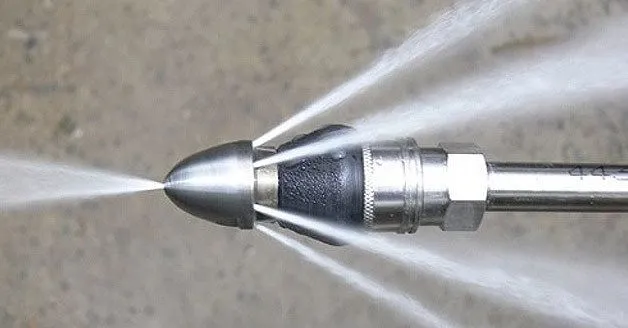
Hydro-jetting uses water pressure up to 4,000 PSI to blast debris out of your pipes. As a result, it removes grease, roots, and scale that a standard snake cannot reach.

It works on residential and commercial drain lines. Additionally, it is safe for most pipe materials when performed by a trained technician.

Why combine plumbing camera inspection with hydro-jetting?

Using a plumbing camera inspection before hydro-jetting gives the plumber a clear map of your pipes. Consequently, the technician directs the water jet precisely where it matters most.

After hydro-jetting, a second camera pass confirms the pipe is clean. This before-and-after approach ensures thorough drain cleaning every time.

The combination also helps you avoid unnecessary excavation. In other words, you save money and protect your yard.

Hydro-Jetting

Signs you need this service now

Act quickly if you notice the following:

— Slow-draining sinks or tubs
— Gurgling sounds from your drains
— Recurring clogged drains
— Foul odors from pipes
— Water backing up into multiple fixtures

These symptoms often point to a deeper blockage. Meanwhile, ignoring them can lead to pipe damage and costly repairs.

Is it affordable? Finding the right plumber

Many homeowners search for cheap plumbing service near me or drain cleaning near me when a clog strikes. Pricing for camera inspection and hydro-jetting typically ranges from $300 to $600 combined, depending on pipe length and severity.

That said, this upfront cost prevents expensive emergency repairs later. Moreover, several companies offer affordable plumbing packages that bundle both services at a discount.

If your drain fails at night, search for a 24-hour plumber in your area. Many professional plumbers offer round-the-clock emergency service without premium surcharges. Quick action can prevent water damage and costly repairs, so don’t wait until morning. Having a trusted plumber’s contact saved in advance can save both time and stress during unexpected plumbing emergencies.

Frequently asked questions

What does a plumbing camera inspection reveal?

It shows blockages, cracks, root intrusion, and buildup inside your drain or sewer line in real time.

Is hydro-jetting safe for old pipes?

Generally, yes, but a camera inspection first confirms the pipe condition. A plumber adjusts water pressure for older or fragile pipes.

How long does the combined service take?

Most jobs take one to two hours. Severe blockages or long sewer lines may require additional time.

Where can I find drain cleaning near me?

Search "drain cleaning near me" or "24-hour plumber" online. Look for licensed, reviewed professionals with transparent pricing.

How often should I schedule a plumbing camera inspection?

Once every one to two years for older homes. Annual inspections are wise for properties with mature trees near sewer lines.

Does hydro-jetting permanently fix a clogged drain?

It provides a thorough clean, but root regrowth or pipe damage may require follow-up. Regular maintenance prevents recurring clogs.

Plumbing Camera Inspection: What Is It & Why Do You Need It?

plumbing-camera-inspection

Plumbing Camera Inspection: What Is It & Why Do You Need It?

Have you had issues with slow drains, strange smells, or unexpected pooling of water, and are you trying to locate the source of the problem without damaging walls or your yard? There might be an easy way out of this—the plumbing camera inspection. What does that entail, and why should homeowners get one? In this post, we’re discussing the tool of plumbing cameras and how they can save you time, money, and energy by eliminating unnecessary stress.

What Is Plumbing Camera Inspection?

It is a high-tech technique that allows any sort of leakage or clogs to be detected inside your plumbing systems without digging up anything. In the past, plumbers used to dig holes just to find a leak. Now, we use a plumbing camera inspection to pinpoint the exact spot of the trouble. A tiny, waterproof camera is inserted into the pipes that provides real-time video to the plumber. The camera can move throughout the plumbing system. Therefore, it can take in-depth pictures and videos of any obstructions, leaks, cracks, or corrosion occurring inside the pipes.

Why Do You Need It?

Guessing what’s wrong with your pipeline can be time-consuming and faulty. Instead, a camera investigation can show exactly where the cracks, blocks, or shiftings are. Thus, it ensures less disruption and more precision because the pipe’s condition shows up live on screen. Here are some reasons why plumbing camera inspection is a smarter choice in modern times.

1. Non-Invasive and Damage-Free

The camera check doesn’t tear anything apart. Rather than smashing through walls, tearing up floors, or wrecking your lawn, the pro slides a tiny eye into the pipes. That way, trouble spots show up clearly instead of guesswork. So, property stays intact, and bills stay lower.

2. Accurate Diagnosis

By using a plumbing camera, the actual reason for hidden troubles shows up clearly. Whether roots are sneaking in or there are any tiny splits, drips, or joints out of place—those can be spotted with great precision. Live footage reveals what’s stuck inside the darkness of your pipeline and shows the exact spot needing attention.

3. Quick and Efficient

With clear visuals right away, fixing pipe issues gets faster because there is no guessing. Moving smoothly through narrow passages, the small camera shows exactly where trouble sits. As it takes less time for diagnosis, work wraps up quicker than old methods allow.

4. Cost-Effective Over Time

A plumbing video camera inspection may feel costly at first, but it keeps bills smaller later on. Fixing by guesswork won’t happen when you see exactly where the issue lies. Since problems are diagnosed fast, over time, this adds up in savings.

5. Detect Hard-to-Reach Problems

Some plumbing problems are difficult to detect through traditional means. For example, issues like sewer line blockages, pipe corrosion, or tree root growth can be hard to spot without seeing inside the pipes. A camera inspection allows plumbers to spot these issues quickly.

plumbing-camera-inspection

When Should You Get This Inspection?

You might wonder when to consider a plumbing video camera inspection. Here are some situations where this service can be really helpful:

1. Frequent Clogs or Slow Drains
If your drains get clogged or drain slowly all the time, there might be a problem in your pipes. A video camera inspection of drains can help find out what’s causing it.

2. Unexplained Sewer Line Backups
If your home has sewer backups for no reason, it’s time to get a sewer camera inspection.

3. Foul Odors Coming from Drains
Weird smells from your drains might mean something is stuck in your pipes. A plumbing video camera inspection can find it out.

4. Before Buying a Home
Before you buy a home, consider a plumbing camera inspection to make sure the plumbing system is okay.

5. Tree Root Intrusions
Tree roots often intrude inside your plumbing pipes in search of moisture, causing them to crack or clog.

Final Words

A plumbing camera inspection is a non-invasive, cost-effective tool that helps detect hidden issues like slow drains, sewer backups, or tree root invasions. It quickly pinpoints problems, saving you time, money, and hassle. If you’re facing plumbing issues, search for “sewer camera inspection near me” to find a trusted plumber and address problems early to keep your plumbing system running smoothly.