Why Houston’s Clay Soil Leads to Slab Leaks (And How to Detect Them Early)

Slab Leaks

Why Houston’s Clay Soil Leads to Slab Leaks (And How to Detect Them Early)

If you’re a homeowner living in Southeast Texas, learning about slab leak Houston will keep your expenses low. The expansive clay soil found in Houston continuously swells in case of moisture and contracts whenever there is lack of it. Therefore, the house’s concrete foundation shifts due to this effect which puts pressure on the plumbing pipes in the ground leading to leaks.
Many times, most people realize that they have a slab leak once their house’s foundation has been compromised, mold infestation or high water bills. But by knowing the early signs, you will be able to take action immediately without having to pay expensive structural costs.
This article will help you understand the effect of the clay soil in Houston on your plumbing system, how slab leaks come about, the signs to watch out for, and when you need to contact a professional plumber immediately.

Reason Why Houston’s Clay Soil Moves Your Foundation

Houston is famous for having clay soil. Clay differs from sand and rock soil in that it takes up a lot of moisture during rainy weather and expands. In the hot weather of Texas, it then contracts.
Such constant expansions and contractions make the soil move under your house throughout the year.
As the soil moves, so does your home’s foundation. Though it looks like small movements, even tiny movements cause lots of pressure on your underground water lines.
This causes your plumbing connections to weaken, bends your copper pipes, and makes your water lines crack.
Since this occurs gradually, people will never know anything is wrong until the leakage starts.

Why Houston Houses Are Prone to Slab Leaks

There are several factors that make the occurrence of leaks beneath the foundation common in Houston.
 

Expansive Soil Composition

The soil composition of Houston is highly expansive compared to others.

Rainfall

Houston experiences high rainfall which increases the expansion of the soil beneath the foundations.

High Temperatures

Long spells of dry weather cause a lot of contraction of the soil leading to an uneven settling of the foundations.
Copper plumbing beneath the slab that is present in old houses in Houston becomes weaker with time.

Tree Root Activity

In addition, trees growing close to your home absorb moisture from the surrounding soil. As a result, the soil dries out unevenly, causing the foundation to shift. Over time, this movement places extra stress on underground plumbing pipes and increases the risk of a slab leak.
All these factors combine to make the ideal situation for slab leaks.

How Pipes Get Damaged Under Foundation Stress

Water lines under the concrete slab are supposed to serve for many years to come. However, they are not built to endure all the stress from shifting.
When the foundation shifts, the lines underneath will have to undergo:
  • Bending
  • Compression
  • Straining
  • Joint cracking
  • Corrosion
  • Scratching against concrete
In time, small cracks develop.
In the beginning, leaks might only cause minor drips of water. Eventually, the opening becomes large enough to cause water to constantly seep out from under your house.
Since the leak happens below the foundation slab, most people don’t notice water pooling up until damage has taken place.
Slab Leaks

Common Causes of Slab Leaks in Houston

Aside from foundation shifts, there are many reasons why slab leaks happen.

Pipe Corrosion

The minerals present in water corrode metal pipes over time. Improper Installation Incorrect installation causes pipes to endure extra stress below the slab.

High Water Pressure

Excessive water pressure wears out pipes and causes leaks.

Abrasion

The pipes can be worn down by rubbing against the gravel and concrete.

Foundation Settlement

Foundation settlements exert pressure on underground plumbing lines.
Early Indicators of a Slab Leak Early recognition helps in preventing unnecessary costs related to your foundation.

Early Warning Signs of a Slab Leak

Early recognition may save you from expensive foundation repair costs. The following is the list of some of the common indicators you should not miss.

1. Warm Floor

The first early indication of a hot water slab leak is a warm spot on the floor. In case any part of your tile, hardwood, or laminate flooring is warm compared to other parts, then there could be a hot water leak under the slab. Though this warmth does not cause much trouble initially, it is always an indication of a current leak under the slab and needs to be attended.

2. Cracks in Walls or Floors

Uneven settlement of the foundation causes stress to the underground pipes. The following signs may start appearing:

  • Interior wall cracks
  • Floor cracks
  • Ceiling cracks
  • Sticking doors
  • Difficulty opening windows

These symptoms are usually associated with both foundation movement and plumbing issues.

3. Odors of Mold/Mildew

Musty or moldy odors: Furthermore, mold grows quickly when water becomes trapped beneath your flooring. As a result, you may notice persistent musty odors even if there are no visible signs of a leak. Therefore, don’t ignore these smells, as they often indicate moisture buildup beneath the concrete slab and could be an early sign of a hidden slab leak.

4. Moisture in Flooring

Damp or discolored flooring: Also, if your carpet feels damp or your floor has stains or discoloration, water may be leaking from beneath the concrete slab. As a result, the leak can damage your flooring and encourage mold growth. Therefore, contact a plumber as soon as you notice these signs to prevent more expensive repairs.

5. Low Water Pressure

The water line will be leaking and, thus, water will not get into your house in sufficient amounts to flow through faucets.

6. Running Water Sounds

When you hear running water sounds despite having all taps closed, there could be water leaks under the foundation.

Possible problems include:
  • Foundation damage
  • Mold growth
  • Damage to the flooring
  • Structural settlement
  • High water bills
  • Plumber failures
  • Reduction in property value
It will become easy to make the repairs when you notice the leak early.

Professional Services for Slab Leak Detection

Fortunately, modern plumbers use advanced tools to find underground water leaks without digging. As a result, they can locate the leak quickly and accurately. This helps reduce damage to your property, lower repair costs, and speed up the repair process.
Some of the professional services for slab leak detection include:

Electrical Leak Detection

The sensitive acoustic tools are used to trace water escaping under the concrete.

Thermal Imaging

Infrared camera is used to find out the temperature changes due to the water leaks.

Pressure Test

The pressure test helps to determine the presence of any hidden leaks in the plumbing system. Pipe Inspection Video Foundation settling results in stress to the underground pipelines. Signs of a Slab Leak Early On Proper early detection helps in saving the foundation from expensive repairs.
Below are the warning signs that should not be overlooked
Contact a plumber right away if you see:

How Can You Help Prevent Slab Leaks?

Not all slab leaks can be prevented but homeowners can do things that will decrease the risk of slab leaks.
  • Have annual plumbing inspections.
  • Check your water bill every month.
    Uneven settling of the foundation can cause tension in the pipes under the ground.

Early Signs of a Slab Leak

Being aware early can save you money from foundation repairs.

Here are some early signs that you should not miss:

  • Warm floors
  • Unexplained increases in your water bill
  • Continuous water meter movement
  • Cracks in your walls or foundation

Protecting Your Houston Property from Small Leaks before They Turn into Major Repairs

Houston’s distinctively clay-based soil creates unique plumbing challenges that many other regions do not experience. As the soil expands and contracts throughout the year, it continuously shifts beneath your home’s foundation. As a result, this movement places significant pressure on the underground plumbing pipes, making slab leaks in Houston one of the most common hidden plumbing problems.

Fortunately, early detection can save you thousands of dollars in costly structural repairs. For example, if you notice warm floors, unexplained increases in your water bill, continuous water meter movement, or cracks in your walls or foundation, these could all be signs of a hidden slab leak. Rather than ignoring these warning signs, it’s important to act quickly. As soon as you notice any of these symptoms, contact a professional plumber for a thorough inspection. By doing so, you can prevent further damage, protect your home’s foundation, and avoid more expensive repairs in the future.

With advanced slab leak detection technology, experienced plumbers can quickly locate the source of the leak and recommend the most effective repair solution. By acting early, you can protect your foundation, prevent further water damage, and avoid more expensive repairs in the future.

Related Articles

For more information on how to protect your plumbing system, check out these informative articles:
  • Slab Leak Detection Houston
  • Impact of Houston Hurricanes on Your Plumbing System 
  • Slab Leak Repair Services 

Book Your Slab Leak Detection in Houston Now!

Don’t let a hidden slab leak damage your foundation any longer!
 
Schedule Your Slab Leak Inspection in Houston today. Our experienced plumbers use advanced, non-invasive leak detection technology to locate hidden leaks quickly and accurately. By scheduling an inspection early, you can protect your foundation, reduce your water bills, and avoid costly repairs. So, don’t wait until a small leak turns into a major problem—book your slab leak inspection today and enjoy peace of mind.

Frequently Asked Questions

What causes most slab leaks in Houston?

The most common cause is foundation movement from Houston’s expansive clay soil. As the soil expands and contracts, it puts pressure on pipes beneath the concrete slab.
Common signs include warm floors, moving water meters, unusually high water bills, low water pressure, mold odors, damp flooring, and cracks in walls or floors.
Yes. Water leaking beneath the slab can wash away supporting soil, leading to foundation settlement, cracks, and structural damage.
No. Professional plumbers use acoustic listening devices, thermal imaging, pressure testing, and video inspections to locate leaks with minimal disruption.
Immediately. Delaying repairs can lead to foundation damage, mold growth, higher utility bills, and more expensive plumbing repairs.

Hydro Jetting vs Drain Snaking: Which One Is Best for Houston Properties?

hydrojetting or drain cleaning? what is best suitable for your Home
“When faced with a problem of clogged pipes, residents in Houston face difficulty deciding whether to use hydrojetting or drain snaking to solve the problem.”
Both drain cleaning techniques are explained in very simple language for you to understand and use as a reference. You will, therefore, learn about which technique is suitable for your pipes and circumstances.

The Reasons for Frequent Blockages in Houston Homes

Houston’s heavy clay soil moves with every rainfall. In the meantime, tree roots look for water close to old sewer pipes. Grease, hair, and mineral deposits contribute to the problem. Consequently, a proper solution for blockages is more important in Houston than in many other cities. The two main techniques are hydrojetting or drain snaking.
But first, understand your choices to prevent future calls.

What Is Drain Snaking?

Snaking is done with a long, bendable wire called an auger.
It is inserted into the drain by a plumber, and then the revolving head on the end of the auger either breaks up or grabs the clog.
 
After that, the clog is either pulled or pushed out.
 
It is good for the following things:
* For localized clogs only
* For hair and soft stuff
* For minor toothpaste and soap residue
 
 
Also, it should be noted that while snaking removes the blockage itself, it does not clean the pipes. So it leaves some residue inside the drain.
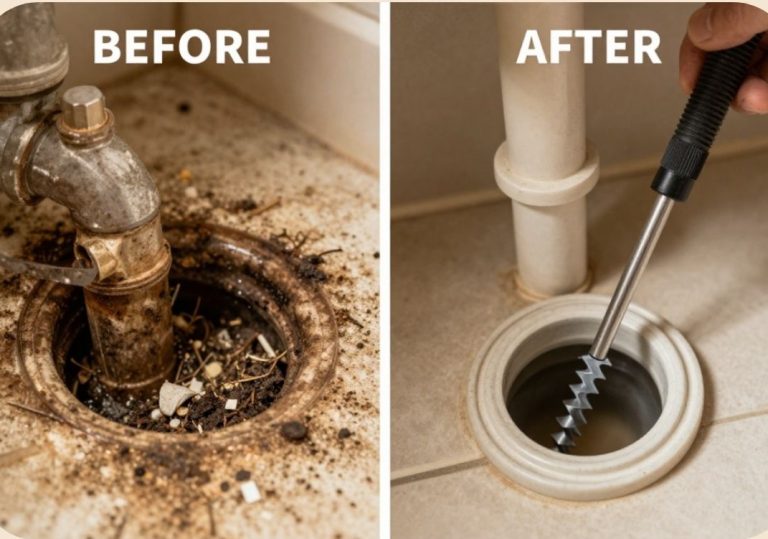
before and after pics of hydrojetting or Drain snaking method used for drain cleaning.

What Is Hydro Jetting?

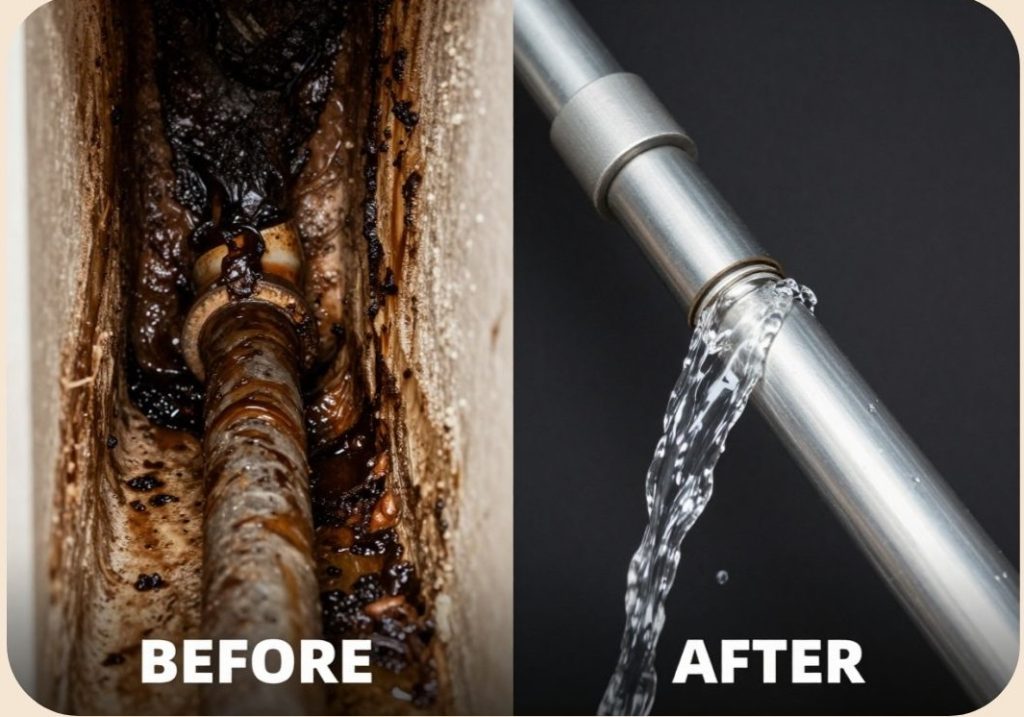
pipe clogs cleared using Hydrojetting technique
Hydro jetting is an alternative way of dealing with the problem.
The water is sprayed using a hose under pressure – up to 3,000 or 4,000 psi – directly into the pipe. Consequently, the pressure cleans the grease, scale, sludge, and roots from the pipe walls.
As a result, hydro jetting cleaning in Houston offers a more extensive clean than snaking does. The pipes get pretty much restored to their initial condition.
Hydro jetting is recommended for:
* Pipes with lots of grease
* Persistent clogs
* Sewer line with roots
* Commercial locations with much drain usage

HydroJetting Or Drain Snaking in Houston: Key Differences

FactorDrain SnakingHydro Jetting
Best forMinor, localized clogsDeep buildup, grease, roots
Cleaning depthSurface-levelFull pipe wall
Longevity of resultsShort-termLong-term
CostLower upfrontHigher upfront, fewer repeat visits
Pipe condition neededAnyMust be structurally sound
Ultimately, snaking answers “what’s blocking this pipe right now?” Hydro jetting answers “how do I stop this from happening again?”

Which Solution is Right for You?

Snaking proves to be an ideal solution for dealing with a clogged drain from one sink quickly and inexpensively. However, hydrojetting is the more practical solution when several drains tend to get blocked frequently, or when there is grease build-up or roots inside the sewer pipe, as seen through a camera.
Sometimes, some old pipes may not withstand the pressure from the high water flow. Therefore, it is advised by a professional Houston plumber to opt for a better choice, like snaking.
Since each house varies, a professional evaluation of whether hydrojetting or drain snaking is the best way to start.

The Price Issue between hydrojetting or drain snaking

Drain snaking usually ends up being cheaper on a per-service basis. However, when blockages keep cropping up within months, that makes the lower price a lot higher. Hydrojetting is initially more expensive. But since it can prevent further service calls, it is ultimately more cost-effective for fixing clogged drains in Houston.
A budget-friendly plumber will discuss both solutions up front without pushing the expensive one automatically.

Hydrojetting or drain snaking: Let the professionals answer

Drain snakes can be found in most hardware shops. Unfortunately, they don’t have the power and accuracy that professionals have when cleaning drains. The wrong use might scratch the pipes or make the blockage worse.
Professionals always do an initial inspection before performing any drain cleaning in Houston. Using cameras during the inspection helps in determining the nature of the problem and where it is located. Therefore, the next step will be choosing the appropriate way to clean based on the type and age of your pipes.

When You Should Call for Professional Drain Cleaning

* Backup of water in more than one fixture.
* Foul odors coming out of the drains.
* Repeated blockages after cleaning out.
* Sluggish drainage throughout your home.
* Gurgling noises in toilets or bathtubs.
All these indicate that there is a problem that requires much more attention than just clogging, and the right technique, whether hydrojetting or drain snaking, will help you. This will save you money in the long run.

Conclusion

Neither of the two techniques wins in all situations. Snaking of the drainage is good for fast clogging. Hydro jetting works well in cases where there is a problem that is stubborn. Whether to use hydro jetting or drain snaking in Houston is dependent on the state of your drainage lines.
A good plumber from the area will make an informed decision based on the situation.

Frequently Asked Question

Is hydrojetting good for old pipes in Houston?

No. Old and brittle pipes can break due to high pressure. The pipes’ integrity is first confirmed using an inspection camera.
Basic drain snaking is usually cheaper compared to hydro jetting; the price depends on the nature of the clog.
Yes. The strong flow of water will easily cut through tree roots.
Houses should have their drains cleaned once every year.
Snaking done by professionals usually does not damage pipes. If it is done as a DIY job, there is a greater possibility of damage.
Hydro jetting is better at removing greasy material from the walls of pipes because it flushes the entire interior
Hydro jetting is more expensive. However, it may save on repeated calls in the future.

 How to Clear Slow Bathroom Sink Drain | DIY & Pro Tips

How to Clear Slow Bathroom Sink Drain DIY Fixes & Professional Solutions

How to Clear Slow Bathroom Sink Drain: DIY Fixes & Professional Solutions

A slow bathroom sink drain is a problem that seems small at first. It can become a big deal with plumbing if you do not do anything about it. Stuff like hair and soap scum and toothpaste builds up in the drain over time which slows down the water and makes smells.

The good thing is that you can fix a lot of drains, by yourself with simple things you can do at home. When those things do not work you should get a professional to clean the drain because it is the best way to do it safely and correctly.

This guide will tell you how to fix a slow bathroom sink drain. It will also tell you when you should call a plumber to help you with your slow bathroom sink drain. Additionally it will tell you how to stop your bathroom sink drain from getting clogged in the future with your slow bathroom sink drain.

Why Is Your Bathroom Sink Draining Slowly?

Before fixing the problem you need to know what causes it. To do that lets look at the reasons.

The common reasons include: 

  • Hair buildup
  • Soap residue
  • Toothpaste deposits
  • Cosmetic products
  • Dirt and grime
  • Mineral deposits from hard water
  • Small objects accidentally dropped into the drain

Ignoring these blockages can eventually lead to a completely clogged bathroom sink.

Signs Your Bathroom Sink Drain Needs Cleaning

  • Watch out for these warning signs of a problem with your drain:
  • Water pools around the drain.
  • The sink empties slowly.
  • You get bad odors coming from the drain.
  • Gurgling sounds appear after draining.
  • Water backs up frequently.

Addressing these signs early can prevent costly plumbing repairs.

DIY Methods to Clear a Slow Bathroom Sink Drain

1. Remove Visible Hair and Debris

2. Flush with Hot Water

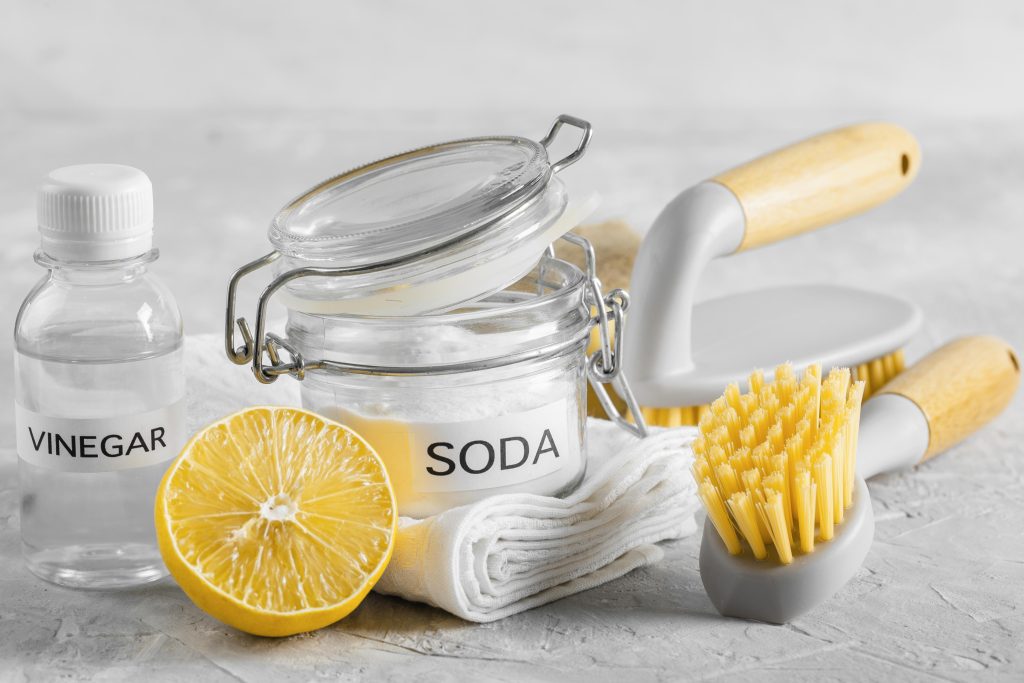
3. Use Baking Soda and Vinegar

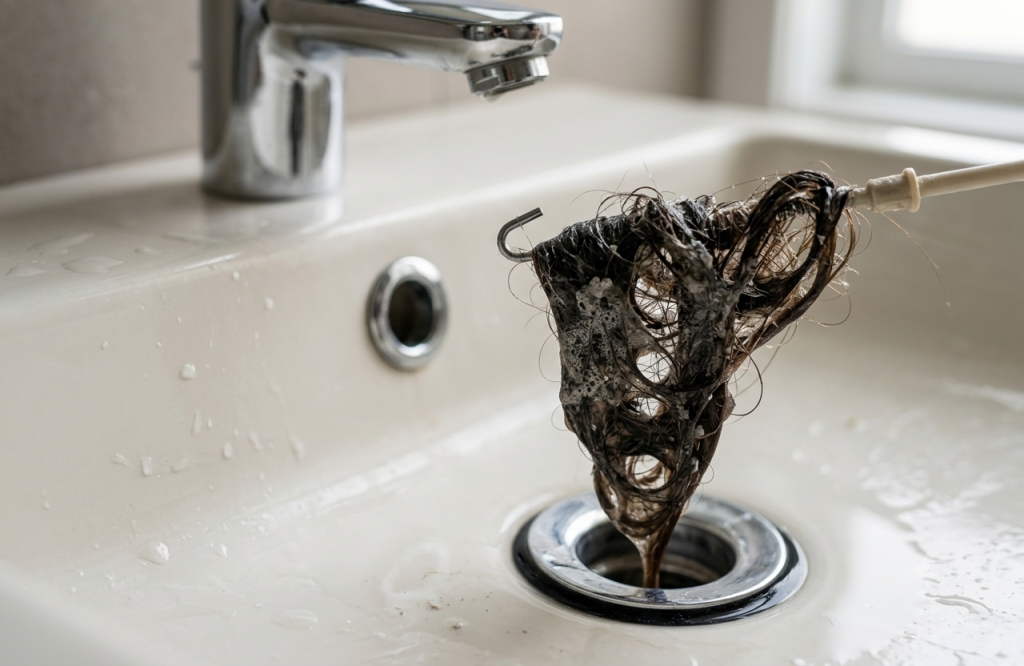
Remove Visible Hair and Debris in Bathroom Sink Drain
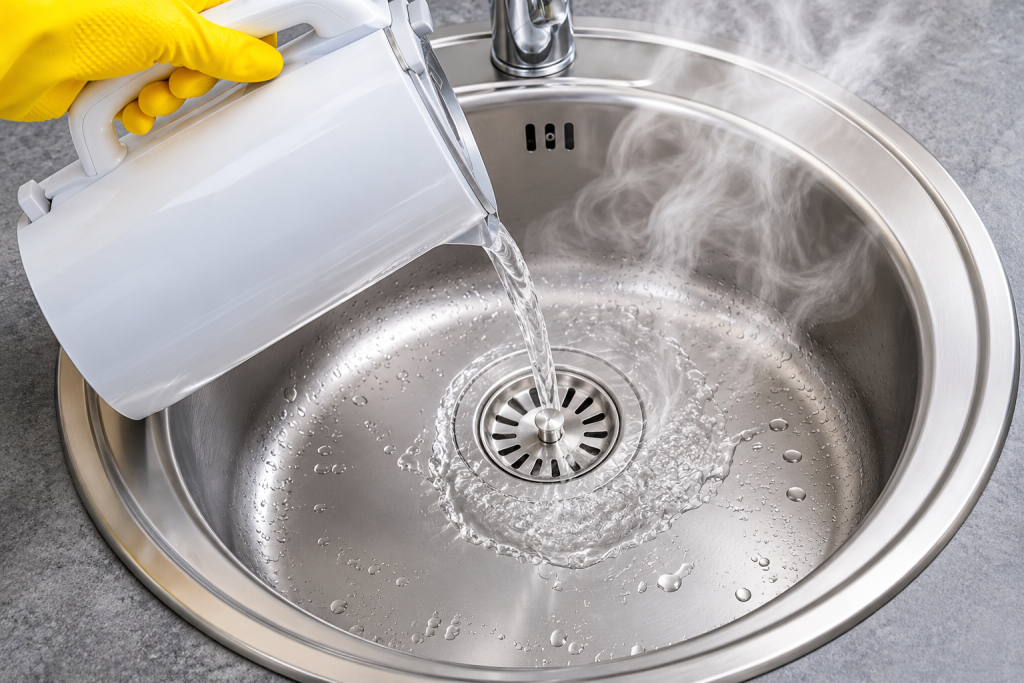
Flush with Hot Water in Bathroom Sink Drain
Use Baking Soda and Vinegar for eco friendly Bathroom Sink Drain Cleaning

Hair is a problem when it comes to a slow bathroom sink drain. Hair can really clog up the drain. To fix this we need to do a things.

Steps:

  • First we need to remove the drain stopper.
  • Then we have to pull out the hair that we can see. We can use gloves or tweezers to do this.
  • After that we should rinse with water.
  • This simple step usually gets the water flowing like normal again.
  • Hair is the thing that causes issues with the bathroom sink drain.

So taking care of the hair, in the bathroom sink drain is important.

Hot water is really good, at making soap scum and grease soft. 

Instructions:

  • To get rid of these things you should boil some water.
  • Then you have to pour the hot water into the drain.
  • Wait several minutes.
  • If the problem is still there you can do this again with the water.

If you have old pipes made of PVC you should not use boiling water because it can hurt them.

This natural cleaning method removes buildup. 

You will need to do a things:

  • ½ cup baking soda
  • 1 cup white vinegar
  • Hot water

Directions:

  1. First pour some baking soda into the drain. 
  2. Add vinegar.
  3. Let it fizz for 20–30 minutes.
  4. Then flush it with water.

This natural cleaning method is safe for routine bathroom sink drain cleaning with a natural cleaning method, like this one.

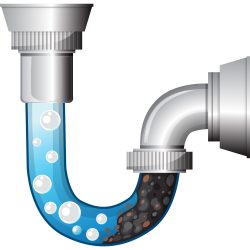
4. Clean the P-Trap

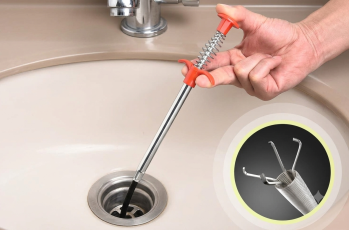
5. Use a Drain Snake

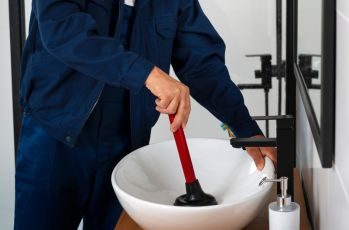
6. Try a Sink Plunger

Clogged Drain Pipe with Cleaner and Bubbles Illustration
drain snake can get to Bathroom Sink Drain clogs
plumbing professional try a Sink Plunger to clean Bathroom Sink Drain

Sometimes stuff collects in the P-trap under the sink. 

Steps:

  • Put a bucket under it.
  • Loosen the P-trap screws.
  • Take out the gunk.
  • Rinse it well.
  • Reinstall securely.

You should always check for leaks after doing this.

A drain snake can get to clogs that’re really far inside the pipe.

You need to put the drain snake into the pipe carefully then you turn it slowly and you pull out the hair or junk that is stuck before you wash it out with water.

This is a way to fix bathroom drain clogs that just will not go away.

A small sink plunger is really good at creating suction that helps loosen blockages in the sink. 

  • Add a little water to the sink.
  • Cover the overflow opening.
  • Plunge firmly several times.
  • Test the drain.

DIY Methods to Avoid

Some methods can damage your plumbing.

Avoid:

  • Excessive chemical drain cleaners
  • You can also try mixing some cleaning chemicals. 
  • Sharp metal objects
  • Be careful not to use excessive force with drain snakes because that can cause problems. 

The thing is, chemical cleaners may corrode the pipes over time which is not good, for the pipes.

When DIY Methods Don't Work

Sometimes the clog is really deep. 

A professional plumber can help if: 

  • Your drain is still slow after trying to fix it times. 
  • Water backs up repeatedly.
  • Multiple drains clog simultaneously.
  • There are sewer odors.
  • You hear frequent gurgling.
  • You see water leaking under your sink. 

These problems might mean there’s an issue, with your pipes.

Professional Solutions for Slow Bathroom Sink Drains

Licensed plumbers use equipment to get rid of blockages in a safe way. They do this so that the blockages are completely gone.

plumbing professional doing his jobin Bathroom Sink Drain

Professional Drain Snaking

Commercial grade drain machines can remove bad clogs. These machines do not hurt the pipes when they are removing the clogs.

Hydro Jetting

The plumbers also use something called hydro jetting. Hydro jetting uses a lot of water pressure to clean the inside of the pipe. It cleans the entire inside of the pipe.

The benefits of using plumbers and their equipment include: 

  • Removes grease 
  • Clears soap buildup
  • Eliminates sludge
  • Restores full pipe diameter

This method is ideal for recurring drain problems.

hydrojetting professional cleaning of bathroom sink drain
Video Camera Inspection in Bathroom Sink Drain

Video Camera Inspection

If clogs keep returning, plumbers may inspect the drain using a waterproof camera.

This identifies:

  • Pipe damage
  • Tree root intrusion
  • Pipe corrosion
  • Gets rid of blockages 

Getting the diagnosis is really important because it helps you avoid fixing things that do not need to be fixed.

How to Prevent Bathroom Sink Drain Clogs

Preventive maintenance saves you time and money.

Here are some helpful tips:

  • Clean the drain stopper every week.
  • It is easy and quick.
  • Flush the drain, with water once a week to keep it clear.
  • Using a drain screen can catch hair and other stuff.
  • Try to avoid washing much hair down the sink.
  • Do not pour products down the drain. 
  • They can cause problems.
  • You should clean the P-trap every months to keep it working well.
  • It is an idea to schedule professional drain cleaning once a year.
  • This can help prevent issues.

Frequently Asked Questions (FAQs)

What is the most common cause of a slow bathroom sink drain?

Hair mixed with soap scum is the most common cause.

Yes. It works well for minor clogs but may not remove severe blockages.

Frequent use is not recommended because harsh chemicals can damage plumbing over time.

A monthly cleaning helps prevent buildup and keeps water flowing properly.

Call a plumber if DIY methods fail, clogs return frequently, or multiple drains are affected.

Final Thoughts

So you have a slow bathroom sink drain. You want to fix a slow bathroom sink drain. Learning how to clear it is really helpful. It can help you fix problems before they get big and expensive. To keep your sink working take care of it regularly. Use ways to clean it. This will keep the water flowing. If the problem, with your bathroom sink drain does not go away or keeps happening it is best to get a professional to clean your drain.

These people are. Have the right tools to fix the problem deep in your pipes. They can look at your pipes. Make sure the water is flowing properly again without breaking anything. If you pay for a professional to fix your bathroom sink drain when you need to it can save you a lot of time and money. Prevent future problems, with your plumbing.

Hydro Jetting Drain Cleaning vs Traditional Drain Cleaning: Which Is Better?

Hydro Jetting Drain Cleaning vs Traditional Drain Cleaning
Clogged drains are a problem for homes and businesses. A lot of people want to know if hydro jetting is better than the way of cleaning drains. Both ways can fix a drain but they do it in different ways. If you know how they are different you can pick the way to fix your plumbing. Hydro jetting drain cleaning and traditional drain cleaning are two options that people consider when they have clogged drains. You should understand how hydro jetting and traditional drain cleaning work so you can choose the one, for your home or business.

What Is Hydro Jetting Drain Cleaning?

Hydro jetting drain cleaning uses water that’s really powerful to clean out pipes and drains. A plumber puts a hose into the pipes. This hose shoots out water that’s really strong and breaks up all the yucky stuff like grease and dirt and roots from trees that are inside the pipe.
This drain cleaning is different from ways of cleaning drains. It cleans the pipe, not just a little part of it. Hydro jetting drain cleaning gets rid of all the stuff that builds up inside the pipes. It does not just make a hole, in the clog it really cleans the whole thing. This helps to keep the pipes clean for a time. This type of drain cleaning is a way to keep pipes clean because it really works on the whole pipe.

Benefits of Hydro Jetting Drain Cleaning

The thing about hydro jetting drain cleaning is that it really gets the job done. This drain cleaning has a lot of power to remove blockages in the drains. The water pressure is so strong that it can get rid of clogs quickly and without any damage. This cleaning is also great for places like kitchens, old plumbing systems and sewer lines that have a lot of buildup.

Another good thing about hydro jetting is that it only uses water to clean the drains. This cleaning does not need any chemicals to work. This makes drain cleaning a lot safer, for the environment and your own plumbing system.

People who fix pipes for a living often say that hydro jetting drain cleaning is an idea when you have drain problems that keep happening. This cleaning can help prevent clogs from coming and make the water flow better in your whole plumbing system. Hydro jetting is a way to take care of your pipes and keep them working well.

What Is Traditional Drain Cleaning?

Drain cleaning is usually done with drain snakes or plumbing augers. The plumber puts a metal cable into the pipe to get rid of the clog. This way works well for problems and simple issues, with the drain.
 
The traditional way of cleaning drains usually costs money than using a hydro jet to clean the drain. It is also good for blockages caused by hair or soap or food that gets stuck in the drain. The traditional way of cleaning drains may not make the inside of the pipe completely clean. Traditional drain cleaning is what people use for this kind of problem.

Hydro Jetting Drain Cleaning vs Traditional Cleaning

When you compare hydro jetting drain cleaning to the way of doing things the main difference is how strong it is at cleaning. The old way gets rid of the blockage but hydro jetting  makes the whole inside of the pipe clean.
 
The old way of cleaning drains is usually good for problems that are easy to fix. Hydro jetting drain cleaning is better for big problems like a lot of grease tree roots in the pipes and drains that get clogged over and over again.
 
A plumber who knows what they are doing can look at your pipes. Tell you what is the best thing to do. A lot of the time hydro jetting drain cleaning is a solution because it lasts longer and makes the pipes really clean. Hydro jetting drain cleaning is an option because it is strong and can get rid of big problems, which is why people like to use hydro jetting drain cleaning, for their drain issues.

Expert Drain Cleaning Tips |10 Habits to Keep Your Drains Clear All Year

drain cleaning tips

Expert Drain Cleaning Tips |10 Habits to Keep Your Drains Clear All Year

A drain clogged at the wrong time ruins your day fast. Fortunately, you can avoid most blockages with simple daily habits. Skip the stress of searching for a “drain cleaning service near me” at midnight by taking note of some basic drain cleaning tips.

Table of Contents

Instead, start with these 10 proven drain cleaning tips and habits.

1. Use a Drain Strainer Every Day

Place a strainer over every sink and shower drain. It catches hair, food, and debris before they enter your pipes. This single step prevents most clogs.

2. Never Pour Grease Down the Drain

Grease hardens inside pipes. Over time, it builds a thick layer that traps other debris. Instead, pour grease into a jar and toss it in the trash.

3. Run Hot Water After Every Use.

After you wash dishes or use the sink, run hot water for 30 seconds. This flushes residue through your pipes before it has a chance to stick.

4. Flush Drains Weekly With Baking Soda and Vinegar

Pour half a cup of baking soda, then half a cup of vinegar down the drain. Wait 10 minutes. Finally, flush with hot water. Here’s a simple way to clean your drain naturally by breaking down buildup.

5. Keep Hair Out of the Shower Drain

Hair is the top cause of bathroom clogs. Brush your hair before showering to reduce shedding. Additionally, clean your strainer after every shower.

6. Only Flush Toilet-Safe Items

Wipes, cotton balls, and paper towels do not break down. They clog pipes quickly. Only flush toilet paper — nothing else.

7. Schedule Professional Drain Cleaning Annually

Even with great habits, buildup happens. Hence, arrange to have your drains cleaned by an expert drain cleaning tips near me annually. A licensed plumber will remove the blockage before it leads to problems.

8. Avoid Harsh Chemical Drain Cleaners

Chemical cleaners corrode your pipes over time. Moreover, they hardly ever solve deep blockages. Therefore, consider using an enzyme cleaner or contacting a drain cleaner near me.

9. Watch for Early Warning Signs

Act fast when you notice slow drains or gurgling sounds. These signals mean a clog is forming. Catching it early saves you money and prevents a fully drained, clogged situation.

10. Share These Guidelines With Every Member of Your Household

Proper guidelines for drains can be effective only when the entire family observes them. Therefore, make sure that everyone in your family knows these guidelines.

drain-cleaning-tips

Why Do These Drain Cleaning Tips Matter?

Pipe blockages may lead to water damage, foul smell, and even flooding. After all, it is much cheaper to prevent issues than to fix them once they occur. Hence, keep in mind that these simple drain cleaning tips help you keep your drains from clogging and leakage.

If you still cannot find a solution to your problem, you should seek out an inexpensive plumber or drain cleaner near you.

Frequently Asked Questions (FAQ)

How often should I clean my drains?

Weekly maintenance at home, plus professional drain cleaning once a year.

What causes a drain clogged with recurring blockages?

Buildup of grease, hair, or soap scum — or a deeper pipe issue needing professional inspection.

Is it safe to use baking soda and vinegar regularly?

Yes. It is safe, natural, and effective for routine drain cleaning maintenance.

When should I call a drain cleaning service near me?

Call when drains are slow, gurgling, or fully blocked after basic DIY attempts fail.

Can I prevent all clogs with these drain cleaning tips?

Not 100%, but you will significantly reduce their frequency and severity.

Affordable Drain Cleaning Service | Fix Clogged Drains

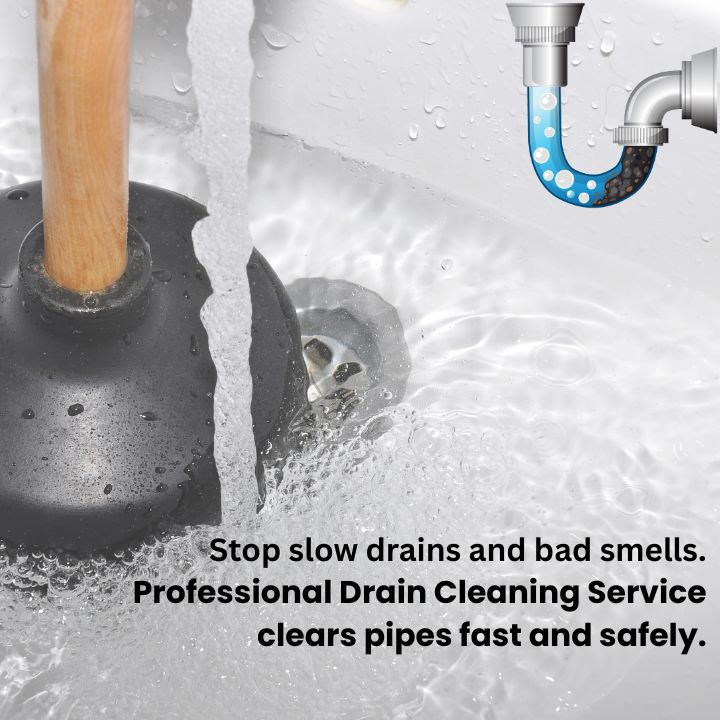
Drain-cleaning

Have you noticed slow water draining from your sink or shower? Chances are, gunk has built up inside. Blockages often come from grease, strands of hair, leftover soap bits, and even grime stuck along pipe walls. Clearing them out lets water move freely again. Hence, smells fade and leaks are less likely to appear. This is why regular drain cleaning is important for every home.

Why Is Drain Cleaning Important?

First and foremost, a blocked drain can create several problems. For example, water can reverse back up into your sink or bathtub. Nevertheless, standing water can cause bad odors and even damage your pipes. However, a professional drain cleaning service can quickly solve these issues.

An expert plumber will use special tools to safely remove deep clogs. They clear grease, food waste, soap buildup, and hair hiding inside the pipes. This helps your drain work smoothly again.

Moreover, failing to clean a clogged drain can also harm your plumbing system. If water does not flow through the drains properly, it can create pressure in the pipes. Eventually, this pressure can lead to leaks or damage to the pipes. As a result, the cost of repairing the pipes can become high. Rather than waiting for this to occur, it is always better to look for drain cleaning near me and address the problem at an early stage.

Another significant reason to hire a drain cleaning service is to safeguard your house against water damage. For instance, if your drain becomes completely clogged, water can spill out of sinks, bathtubs, or floor drains. As a result, floors, cabinets, and walls can become damaged. However, professional plumbers possess the necessary equipment to remove the clog from the drain.

Signs You Need Drain Cleaning

Sometimes a clog starts small but grows bigger over time. Therefore, it is good to watch for warning signs.

For example:

* It takes time for water to drain from sinks or tubs.
* Drains start smelling bad with a foul odor.
* Gurgling sounds appear in the pipes.
* Sometimes water gets reverse-pushed back into the sink or shower.

These signs are a clear indication of a clogged drain, and you need the help of a cleaning service immediately. Specifically, one that says “drain cleaning service near me.

drain-cleaning

Professional Drain Cleaning Service

However, the DIY approach may only clear part of the clog. This is because professionals clean the entire pipe system. A reliable drain cleaning service has the best equipment to clear any blockage in your pipes.

Furthermore, expert plumbers inspect your drains to prevent future clogs. This way, your plumbing system will last longer.

Keep Your Drains Healthy

In conclusion, maintaining your plumbing system with regular drain cleaning will not only protect your plumbing but also keep your house comfortable. Cleaning your drains regularly helps prevent major plumbing issues by allowing water to flow smoothly. It prevents blockages, removes odors, and protects your home from costly damage. This helps to reduce any extra costs associated with an extensive repair bill.

If you have experienced a clogged drain, getting a professional drain cleaning service near you as soon as possible can eliminate the blockage quickly and safely. Instead of waiting for the problem to get worse, search for “drain cleaning near me” and get help from experienced plumbers. A trusted plumber can clear blockages, remove odors, and keep your plumbing system working properly.

Frequently Asked Questions

What causes a clogged drain problem?

Beneath sinks, gunk slowly gathers—strands of hair mix with leftover oils, and bits cling after rinsing. Soap scum sticks along the walls and thickens over time. Food scraps join in, clumping together when wet. Flow slows down as layers pile up, narrowing the path water takes.

How often should I schedule drain cleaning?

A single yearly visit from a professional keeps most household pipes clear before big blockages start. Yearly maintenance stops slow drains from turning into messy backups down the line.

Is professional drain cleaning better than DIY methods?

Right. Professionals rely on tools designed to clear tough clogs without harm, reaching every bit.

How long does a drain cleaning service take?

This depends on the intensity of the problem and the approach taken by a trained plumber to tackle the blocked drain.

Seasonal Sewer Cleaning And Maintenance Checklist for Texas Homeowners

sewer-cleaning

Seasonal Sewer Cleaning And Maintenance Checklist for Texas Homeowners

Do Texas homeowners really need seasonal sewer maintenance, and does it make a difference?
Yes, seasonal sewer care helps prevent growing buildups, dirty smells, and costly repairs, especially in Texas, where heat, storms, and tree roots affect sewer lines. Regular sewer cleaning keeps pipes clear and helps detect small problems early. This checklist explains what to do in each season so your sewer system works well all year. You will learn simple steps like monitoring drain speed, avoiding grease buildup, and scheduling professional sewer cleaning and repair services at the right time. When homeowners follow seasonal sewer care, they reduce emergencies, protect their homes, and save money. In short, smart sewer maintenance keeps your plumbing safe, clean, and stress-free throughout the year.

Why Seasonal Sewer Maintenance Matters in Texas

Texas weather changes a lot. Summers get very hot, while storms can bring heavy rain, and winter sees snowfall. Because of this, sewer lines face extra stress. Roots grow faster, pipes expand, and debris builds up more quickly. However, when you plan sewage cleaning by season, you stay ahead of trouble. As a result, your drains flow better, and your home stays safe.

Spring Sewer Maintenance Checklist

Spring is the best time for the routine check-up of your sewer system.

  • First, watch how fast your sinks and tubs drain
  • Next, look for bad smells near drains
  • Also, check outside cleanout caps for leaks
  • Then, schedule professional sewage cleaning services if the drains slow down

Summer Sewer Maintenance Checklist

Summer heat puts pressure on sewer pipes.


    • Avoid pouring grease or oil down the drain

    • Run water after using the garbage disposal

    • Flush only toilet paper, nothing else

    • Pay attention to gurgling sounds in drains

      Because pipes can dry out and crack in the heat, sewer pipe cleaning during summer helps keep lines strong and clear.

Winter Sewer Maintenance Checklist

Even mild Texas winters can cause sewer problems.

  • Do not pour fats down the sink
  • Use warm water to help move waste
  • Watch for slow drains after cold nights
  • Call for expert sewer cleaners if water backs up

Cold weather can harden grease inside pipes. Therefore, regular cleaning keeps waste flowing without trouble.

Simple Daily Habits That Protect Your Sewer

Small habits make a big difference.

  • Use drain strainers
  • Throw food scraps in the trash
  • Never flush wipes or paper towels
  • Run water after each sink use

Because daily care adds up, these habits reduce the need for emergency sewage cleaning services.

When to Call for Professional Sewer Cleaning

You should call a plumber when:

  • Drains clog often
  • Sewage smells stay inside
  • Water backs up in tubs or toilets
  • Multiple drains fail at once

Professional cleaning of sewer pipelines removes deep clogs and hidden bu

Final Thoughts

Seasonal sewer care keeps Texas homes safe and clean. When homeowners follow this checklist, they avoid stress and costly damage. With smart habits and timely cleaning services, your sewer system stays strong all year. If problems appear, professional sewer cleaning offers fast and reliable protection for your home.

Traditional Drain Cleaning Services vs Hydro Jetting: Which One Is Right for Your Home?

drain cleaning services

Traditional Drain Cleaning Services vs Hydro Jetting: Which One Is Right for Your Home?

Are you confused about whether hydro jetting or traditional drain cleaning is better for your clogged drains?
The right choice depends on how bad the clog is and what caused it. Traditional drain cleaning services work well for small clogs like hair or food buildup. It uses simple tools to clear the blockage.

However, hydro jetting uses high-pressure water to wash away grease, sludge, and debris from the inside of the pipes. As a result, it cleans the entire pipe, not just the clog. Therefore, for deep or repeated clogs, hydro jetting is often the better option. Many drain cleaning services now use both methods to give safe and long-lasting results. This guide explains both options so you can choose wisely.

What are Traditional Drain Cleaning Services?

Traditional drain cleaning is the most common method used to remove basic clogs. Plumbers often use drain snakes or augers to break apart blockages. Because of this, it works well for slow drains caused by hair, soap, or small debris.

Also, this method is quick and budget-friendly. It is a good choice when the problem is new or not very serious. However, it may not remove grease or buildup stuck to pipe walls. So, the clog may come back over time.

Many homeowners searching for drain cleaning near me choose this option first because it solves simple problems fast.

What Is Hydro Jetting?

Hydro jetting is a modern drain cleaning method. It uses strong water pressure to clean the inside of pipes. First, a plumber checks the pipes. Then, high-pressure water blasts away grease, roots, and sludge.

As a result, hydro jetting clears the clog and cleans the pipe fully. It works great for old pipes with heavy buildup. Also, it helps prevent future clogs.

Because of its power, many experts recommend hydro jetting for recurring problems. This makes it a popular option for drain cleaning in Houston homes and businesses.

Key Differences Between Traditional Drain Cleaning Services and Hydro Jetting

  • Traditional drain cleaning removes surface clogs
  • Hydro jetting cleans the full pipe
  • Traditional tools work best for small blockages
  • Hydro jetting handles tough grease and roots
  • Traditional cleaning may need repeat visits
  • Hydro jetting offers longer-lasting results

Therefore, the right method depends on your drain condition.

Which Drain Cleaning Method Should You Choose?

If your drain clogs happen often, hydro jetting is the better choice. It cleans deep and helps stop future issues. However, for minor clogs, traditional drain cleaning works just fine.

Trusted drain cleaning services often inspect your pipes first. Then, they choose the safest and most effective method. This way, your plumbing stays clean and healthy.

Final Thoughts

Both methods are useful, but each serves a different purpose. So, choosing the right solution saves time and money. If you need expert help with drain cleaning in Houston, a professional plumber can guide you and fix the problem the right way the first time.