Why Houston’s Clay Soil Leads to Slab Leaks (And How to Detect Them Early)

Slab Leaks

Why Houston’s Clay Soil Leads to Slab Leaks (And How to Detect Them Early)

If you’re a homeowner living in Southeast Texas, learning about slab leak Houston will keep your expenses low. The expansive clay soil found in Houston continuously swells in case of moisture and contracts whenever there is lack of it. Therefore, the house’s concrete foundation shifts due to this effect which puts pressure on the plumbing pipes in the ground leading to leaks.
Many times, most people realize that they have a slab leak once their house’s foundation has been compromised, mold infestation or high water bills. But by knowing the early signs, you will be able to take action immediately without having to pay expensive structural costs.
This article will help you understand the effect of the clay soil in Houston on your plumbing system, how slab leaks come about, the signs to watch out for, and when you need to contact a professional plumber immediately.

Reason Why Houston’s Clay Soil Moves Your Foundation

Houston is famous for having clay soil. Clay differs from sand and rock soil in that it takes up a lot of moisture during rainy weather and expands. In the hot weather of Texas, it then contracts.
Such constant expansions and contractions make the soil move under your house throughout the year.
As the soil moves, so does your home’s foundation. Though it looks like small movements, even tiny movements cause lots of pressure on your underground water lines.
This causes your plumbing connections to weaken, bends your copper pipes, and makes your water lines crack.
Since this occurs gradually, people will never know anything is wrong until the leakage starts.

Why Houston Houses Are Prone to Slab Leaks

There are several factors that make the occurrence of leaks beneath the foundation common in Houston.
 

Expansive Soil Composition

The soil composition of Houston is highly expansive compared to others.

Rainfall

Houston experiences high rainfall which increases the expansion of the soil beneath the foundations.

High Temperatures

Long spells of dry weather cause a lot of contraction of the soil leading to an uneven settling of the foundations.
Copper plumbing beneath the slab that is present in old houses in Houston becomes weaker with time.

Tree Root Activity

In addition, trees growing close to your home absorb moisture from the surrounding soil. As a result, the soil dries out unevenly, causing the foundation to shift. Over time, this movement places extra stress on underground plumbing pipes and increases the risk of a slab leak.
All these factors combine to make the ideal situation for slab leaks.

How Pipes Get Damaged Under Foundation Stress

Water lines under the concrete slab are supposed to serve for many years to come. However, they are not built to endure all the stress from shifting.
When the foundation shifts, the lines underneath will have to undergo:
  • Bending
  • Compression
  • Straining
  • Joint cracking
  • Corrosion
  • Scratching against concrete
In time, small cracks develop.
In the beginning, leaks might only cause minor drips of water. Eventually, the opening becomes large enough to cause water to constantly seep out from under your house.
Since the leak happens below the foundation slab, most people don’t notice water pooling up until damage has taken place.
Slab Leaks

Common Causes of Slab Leaks in Houston

Aside from foundation shifts, there are many reasons why slab leaks happen.

Pipe Corrosion

The minerals present in water corrode metal pipes over time. Improper Installation Incorrect installation causes pipes to endure extra stress below the slab.

High Water Pressure

Excessive water pressure wears out pipes and causes leaks.

Abrasion

The pipes can be worn down by rubbing against the gravel and concrete.

Foundation Settlement

Foundation settlements exert pressure on underground plumbing lines.
Early Indicators of a Slab Leak Early recognition helps in preventing unnecessary costs related to your foundation.

Early Warning Signs of a Slab Leak

Early recognition may save you from expensive foundation repair costs. The following is the list of some of the common indicators you should not miss.

1. Warm Floor

The first early indication of a hot water slab leak is a warm spot on the floor. In case any part of your tile, hardwood, or laminate flooring is warm compared to other parts, then there could be a hot water leak under the slab. Though this warmth does not cause much trouble initially, it is always an indication of a current leak under the slab and needs to be attended.

2. Cracks in Walls or Floors

Uneven settlement of the foundation causes stress to the underground pipes. The following signs may start appearing:

  • Interior wall cracks
  • Floor cracks
  • Ceiling cracks
  • Sticking doors
  • Difficulty opening windows

These symptoms are usually associated with both foundation movement and plumbing issues.

3. Odors of Mold/Mildew

Musty or moldy odors: Furthermore, mold grows quickly when water becomes trapped beneath your flooring. As a result, you may notice persistent musty odors even if there are no visible signs of a leak. Therefore, don’t ignore these smells, as they often indicate moisture buildup beneath the concrete slab and could be an early sign of a hidden slab leak.

4. Moisture in Flooring

Damp or discolored flooring: Also, if your carpet feels damp or your floor has stains or discoloration, water may be leaking from beneath the concrete slab. As a result, the leak can damage your flooring and encourage mold growth. Therefore, contact a plumber as soon as you notice these signs to prevent more expensive repairs.

5. Low Water Pressure

The water line will be leaking and, thus, water will not get into your house in sufficient amounts to flow through faucets.

6. Running Water Sounds

When you hear running water sounds despite having all taps closed, there could be water leaks under the foundation.

Possible problems include:
  • Foundation damage
  • Mold growth
  • Damage to the flooring
  • Structural settlement
  • High water bills
  • Plumber failures
  • Reduction in property value
It will become easy to make the repairs when you notice the leak early.

Professional Services for Slab Leak Detection

Fortunately, modern plumbers use advanced tools to find underground water leaks without digging. As a result, they can locate the leak quickly and accurately. This helps reduce damage to your property, lower repair costs, and speed up the repair process.
Some of the professional services for slab leak detection include:

Electrical Leak Detection

The sensitive acoustic tools are used to trace water escaping under the concrete.

Thermal Imaging

Infrared camera is used to find out the temperature changes due to the water leaks.

Pressure Test

The pressure test helps to determine the presence of any hidden leaks in the plumbing system. Pipe Inspection Video Foundation settling results in stress to the underground pipelines. Signs of a Slab Leak Early On Proper early detection helps in saving the foundation from expensive repairs.
Below are the warning signs that should not be overlooked
Contact a plumber right away if you see:

How Can You Help Prevent Slab Leaks?

Not all slab leaks can be prevented but homeowners can do things that will decrease the risk of slab leaks.
  • Have annual plumbing inspections.
  • Check your water bill every month.
    Uneven settling of the foundation can cause tension in the pipes under the ground.

Early Signs of a Slab Leak

Being aware early can save you money from foundation repairs.

Here are some early signs that you should not miss:

  • Warm floors
  • Unexplained increases in your water bill
  • Continuous water meter movement
  • Cracks in your walls or foundation

Protecting Your Houston Property from Small Leaks before They Turn into Major Repairs

Houston’s distinctively clay-based soil creates unique plumbing challenges that many other regions do not experience. As the soil expands and contracts throughout the year, it continuously shifts beneath your home’s foundation. As a result, this movement places significant pressure on the underground plumbing pipes, making slab leaks in Houston one of the most common hidden plumbing problems.

Fortunately, early detection can save you thousands of dollars in costly structural repairs. For example, if you notice warm floors, unexplained increases in your water bill, continuous water meter movement, or cracks in your walls or foundation, these could all be signs of a hidden slab leak. Rather than ignoring these warning signs, it’s important to act quickly. As soon as you notice any of these symptoms, contact a professional plumber for a thorough inspection. By doing so, you can prevent further damage, protect your home’s foundation, and avoid more expensive repairs in the future.

With advanced slab leak detection technology, experienced plumbers can quickly locate the source of the leak and recommend the most effective repair solution. By acting early, you can protect your foundation, prevent further water damage, and avoid more expensive repairs in the future.

Related Articles

For more information on how to protect your plumbing system, check out these informative articles:
  • Slab Leak Detection Houston
  • Impact of Houston Hurricanes on Your Plumbing System 
  • Slab Leak Repair Services 

Book Your Slab Leak Detection in Houston Now!

Don’t let a hidden slab leak damage your foundation any longer!
 
Schedule Your Slab Leak Inspection in Houston today. Our experienced plumbers use advanced, non-invasive leak detection technology to locate hidden leaks quickly and accurately. By scheduling an inspection early, you can protect your foundation, reduce your water bills, and avoid costly repairs. So, don’t wait until a small leak turns into a major problem—book your slab leak inspection today and enjoy peace of mind.

Frequently Asked Questions

What causes most slab leaks in Houston?

The most common cause is foundation movement from Houston’s expansive clay soil. As the soil expands and contracts, it puts pressure on pipes beneath the concrete slab.
Common signs include warm floors, moving water meters, unusually high water bills, low water pressure, mold odors, damp flooring, and cracks in walls or floors.
Yes. Water leaking beneath the slab can wash away supporting soil, leading to foundation settlement, cracks, and structural damage.
No. Professional plumbers use acoustic listening devices, thermal imaging, pressure testing, and video inspections to locate leaks with minimal disruption.
Immediately. Delaying repairs can lead to foundation damage, mold growth, higher utility bills, and more expensive plumbing repairs.

Hurricane Season Plumbing Prep Checklist for Houston Homeowners

Hurricane Plumbing Prep Houston, checklist
Hurricane seasons are characterized by a lot of rainfall, and flooding poses a threat to your plumbing system.
The hurricane plumbing prep Houston checklist that homeowners complete each year can mean the difference between a dry house and a costly disaster.
Thus, the annual prep checklist for hurricanes, which involves taking care of your plumbing system, saves your house from disaster.
This is due to the fact that since Houston lies low in altitude and near the coast, the stormwater easily enters the pipes and the sewers.
 
In the following paragraphs, I will give you a step-by-step checklist for Houston homeowners.

Why Homeowners Need to Start Early Hurricane Plumbing Prep checklist

While storms strike suddenly, underlying plumbing problems often develop slowly, out of sight. A minor root intrusion in your sewer line, for example, can turn into a complete blockage once heavy rainfall saturates the soil and causes roots to swell. Additionally, aging pipes are more prone to cracking or bursting under the added pressure that flooding puts on the ground around them. With that said, the experts at Houston suggest beginning hurricane plumbing prep weeks before the onset of hurricane season. Why? If you do not, you might find yourself looking for emergency plumbing services at the most inconvenient time

Sewer Line Flood Risks in Houston Neighborhoods

Houston communities have been established in flat terrain. The consequence is that flooding due to sewer backups in Houston is much more common compared to other cities that have high elevations. Groundwater rises and forces its way into sewer pipes through the outside. At the same time, there are rains inside the city.
Indicators that Your Sewer Line Requires Service
* Gurgling noises coming from drains
* Drains are draining slowly
* Sewage smell close to cleanouts outdoors
* Water rising in the lowest drain inside the house.

Hiring a professional plumber to inspect the sewer line before hurricane season begins is a key part of hurricane plumbing prep, helping keep track of cracks, clogs, or tree root intrusion before they can turn into major problems.

Adding a backwater valve offers further protection against flooding — a simple device that most Houston homes don’t have installed by default, yet it plays a critical role in preventing sewage from flowing back into the property.

Homes in older neighborhoods, which often still have clay pipes, need this inspection even more, since clay is especially prone to cracking and root intrusion. Without it, small issues can quickly escalate into major sewer backups once heavy stormwater hits the system.

Safety of Your Water Heater During Hurricanes

The water heater is quite vulnerable during the hurricane period, especially if it is located in your garage or closet. In addition to that, there is the potential threat from rising floodwater, which may damage the electrical part of your water heater.
 
Water Heater Safety Precautions
1. Raise the appliance onto a strong base if located in flood-prone zones.
2. Disconnect the power source before leaving the premises.
3. Close the water inlet valve so that dirty water does not fill the tank.
4. Check the anode rod and pressure relief valve in advance.
 
In such a way, these precautions minimize risks of fires and unnecessary expenses for replacing a water heater following a natural disaster. Moreover, a properly maintained device will work better when power and water services are restored.

Outdoor Drain Protection as Part of Hurricane Plumbing Prep

During a hurricane, outdoor drains face the most challenging situation. Debris from the hurricane blocks the drains and creates obstructions. Thereby, water cannot flow anywhere but towards your foundation. Also, blocked storm drains around you put your whole street at risk of flooding.

Simple Outdoor Drain Steps 

  • Clear gutters and downspouts of debris
  • Schedule drain cleaning for yard and driveway drains
  • Extend downspouts away from the foundation.
  • Check that outdoor faucets have proper covers.

In addition, outdoor faucet protection prevents pipe bursts caused by sudden pressure shifts or debris impact during high winds. Wrapping exposed faucets and shutting off outdoor water lines beforehand adds another safeguard.
Because Houston storms often bring both wind and flooding together, addressing outdoor drains protects your home from two directions at once.

Backflow Prevention Steps

Backflow happens when contaminated water reverses direction and enters your clean water supply. During a hurricane, pressure drops in city water lines make this far more likely.

Therefore, backflow prevention deserves serious attention in any hurricane plumbing prep Houston plan.

How to Prevent Backflow

  1. Put a backflow prevention device in your water supply pipe.
  2. Test the installed devices yearly, better yet, before the storm season.
  3. Locate your main shutoff valve.
  4. Do not use tap water for consumption during floods.

Likewise, a professional plumber can perform the inspection of your system immediately and see whether it is working properly, as this step alone can make a meaningful difference in your hurricane plumbing prep. As problems associated with backflow can be discovered only when the contamination takes place, you should check your system beforehand.

Building Your Full Hurricane Plumbing Prep Houston Checklist

Combining all of these measures into one strategy yields the following:
• Set up an appointment to have the sewer lines checked.
• Have your backwater valve installed or tested.
• Secure and elevate your water heater.
• Remove debris from your gutters and other outdoor drains.
• Drain outdoor faucets and insulate them.
• Test backflow prevention devices.
• Keep the number of an affordable plumber who works in Houston on hand.
 
Overall, this list helps eliminate your concerns should the weather turn stormy, while preserving the value of your home and keeping repairs affordable.
this hurricane season be pre alert and safe with hurricane plumbing prep Houston cheklist by royal flush plumbing

When to Call an Emergency Plumbing Company in Houston, TX

Sometimes a storm moves in faster than you can prepare for. In these situations, call a licensed Houston plumber right away if you notice signs of sewage backup, water heater leaks, or flooding near your home’s foundation. Having a professional on call means help can arrive quickly when you need it most.
That said, it’s best to have a hurricane plumbing prep checklist ready and save a trusted plumber’s number before hurricane season starts — during a storm, emergency lines get backed up, and having that contact ready in advance can save valuable time.

Frequently Asked Questions

How can I make sure that my sewer line is protected against a hurricane in Houston?

Get a professional sewer line inspection and install a backwater valve so that there won’t be any sewage backup when there is flooding.
The heavy rain will overload the sewer system of Houston, while rising water comes into the pipes from the outside.
Yes, ensure you cut the power and gas supplies and also close the water source for the water heater, especially if the area where it’s located may be flooded during hurricanes.
Make sure that you clean your drains outside regularly.
Yes, a backflow prevention device ensures that you keep your clean water safe in the case where the city water pressure decreases due to storms
It varies depending on the extent of the damage that occurred, but it will be cheaper to prepare for plumbing before any storms.

Best Time of Year to Schedule Sewer Cleaning in Houston

Sewer Cleaning in Houston
Maintaining your home requires smart protection, and many homeowners neglect their underground plumbing. Scheduling sewer cleaning in Houston keeps your drains flowing smoothly and stops dirt from backing up. But time is of the essence in Southeast Texas.
Because your community’s climate brings many rainstorms and high temperatures, you’ll save your property and money if you schedule plumbing maintenance at the right time.

The Best Visual Schedule for Your Drains

The climate in Houston features high humidity and intense storm seasons. Therefore, you must align your plumbing maintenance with our seasonal weather patterns.
[Spring: Peak Choice] –> Clear winter debris before heavy May & June downpours.
[Autumn: Great Choice] –> Flush out tree roots before the winter ground shifts.
[Summer & Winter] –> Best for emergency fixes or routine indoor drain checks.

The True Cost: Preventive Cleaning vs. Emergency Sewer Pipe Repair

Skipping your annual maintenance to save a few dollars can come back to bite you terribly. Looking at the math reveals why preventative care is the most financially sound decision for any local homeowner.

Service Type
Average Houston Cost Range
What It Covers
Emergency Risk
Routine Sewer Cleaning
$250 – $500Camera inspection, line flushing, root removal.Very Low
Emergency Hydro-Jetting
$600 – $1,200+After-hours clog removal during a backup crisis.High
Trenchless Sewer Pipe Repair
$4,000 – $12,000Pipe lining or bursting to replace structural damage.Disaster Level

Why Spring is the Best Time for Sewer Cleaning

Spring is the absolute best season to call a sewer cleaning service. From March to May, the weather is mild, which makes it easier for plumbers to work outside. More importantly, early spring maintenance prepares your plumbing system for the upcoming rainy season.

Houston receives heavy rainfall in May and June. If your main sewer line contains grease, wet wipes, or hair, a sudden heavy downpour will overwhelm your pipes. As a result, wastewater can back up directly into your shower drains and toilets. Clearing the line in March or April guarantees your pipes can handle the heavy summer deluges.

Furthermore, tree roots grow actively during the spring. They seek out moisture and can crack your pipes to get inside. When you schedule a professional cleaning early in the year, technicians cut away these invading roots before they cause a serious sewer pipe repair bill.

sewer cleaning
sewer cleaning service

Autumn: Your Secondary Window

If you miss the spring window, late autumn is your next best option. October and November bring cooler temperatures and clearer skies.

During the hot summer months, people cook indoors, host barbecues, and run their garbage disposals frequently. Consequently, cooking fats and food debris build up inside your sewer lines. Cleaning your lines in the fall flushes out all that summer sludge before the winter holidays arrive.

In addition, it prevents structural damage by cleaning its stresses before freezing. Although Houston almost never checks deep snow, anemic fronts can cause bottom movement anyway. Clear, accessible pipes handle greater pressure changes than weak, clogged pipes.

Hydro-Jetting vs. Snaking: Which Method Fits Your Houston Home?

When you call a sewer cleaning service, they will generally offer two main methods to clear out your mainline. Understanding the difference helps you make an informed choice for your property.
  • Traditional Snaking (Cabling): This method uses a mechanical auger to punch a hole through solid blockages like tree roots or flushed trash. While it restores basic flow quickly, it often leaves grease and sludge stuck to the pipe walls.
  • Hydro-Jetting: This advanced technique blasts high-pressure water—up to $4,000\text{ PSI}$—through your lines. It acts like a pressure washer for the inside of your plumbing, scrubbing away decades of built-up kitchen grease, scale, and stubborn sludge.
For older Houston homes in neighborhoods like The Heights or River Oaks, hydro-jetting is often the superior preventative choice because it completely restores the pipe’s original interior diameter.

Signs You Need to Find Sewer Cleaning Near Me Right Now

While seasonal scheduling is ideal, sometimes your pipes cannot wait. You should search for professional sewer cleaning near me immediately if you notice any of these warning signs:
  • Multiple Clogged Drains: If your kitchen sink, shower, and toilet all drain slowly at the same time, the blockage rests deep inside your main sewer line.
  • Gurgling Noises: Bubbling or gurgling sounds coming from your toilet when you run the bathroom sink indicate trapped air from a clog.
  • Foul Odors: Rotten egg smells or sewage odors near your drains, mean wastewater is sitting in your pipes instead of flowing out to the city main.
  • Sewer Cleanout Overflow: If you see water spilling out of the white plastic pipe in your yard (your cleanout), your line is completely blocked.

Act Proactively to Prevent Expensive Sewer Pipe Repair

Finally, don’t expect an emergency to hit your property now. Scheduling your sewer cleaning in Houston at some stage this spring or fall keeps your home safe from messy backups. Contact a certified local professional today to have your lines inspected and your plumbing running flawlessly for the full 12 months.

Frequently Asked Questions

How often should I schedule a sewer cleaning in Houston?

For most Houston homes, we recommend scheduling a professional sewer cleaning once every 1 to 2 years. However, if your property has mature oak or pine trees with aggressive roots, or if you live in an older home with original cast-iron pipes, an annual inspection and cleaning every spring is the safest strategy to prevent sudden backups.

How much does a standard sewer cleaning service cost in the Houston area?

A routine, preventative sewer cleaning service generally costs between $250 and $500, depending on the length of your main line and whether the plumber uses a traditional snake or hydro-jetting. In contrast, waiting for an emergency backup during a major storm can push emergency plumbing rates well over $1,000.

Can I use chemical drain cleaners instead of a professional sewer cleaning near me?

No, you should absolutely avoid pouring liquid chemical drain cleaners down your main sewer line. These harsh chemicals rarely clear heavy mainline blockages like tree roots or thick grease. Instead, they sit in your pipes, generate extreme heat, and eat away at your plumbing walls. This causes severe structural damage that ultimately requires an expensive sewer pipe repair.

How long does a professional mainline sewer cleaning take?

 A standard residential sewer cleaning typically takes between 1 to 3 hours. The exact time depends on the severity of the blockage, the total length of your sewer lateral line, and whether the technician encounters heavy tree root intrusions that require specialized cutting blades or hydro-jetting equipment.

Trenchless Sewer Repair: The Better Alternative for Clogged and Broken Pipes

trenchless sewer repair
If your service line is damaged or blocked, it can seriously affect the structure of your house. Luckily, a trenchless sewer repair method offers a faster, cleaner, and less costly repair without disrupting your property.

Table of Contents

What Is Trenchless Sewer Repair?

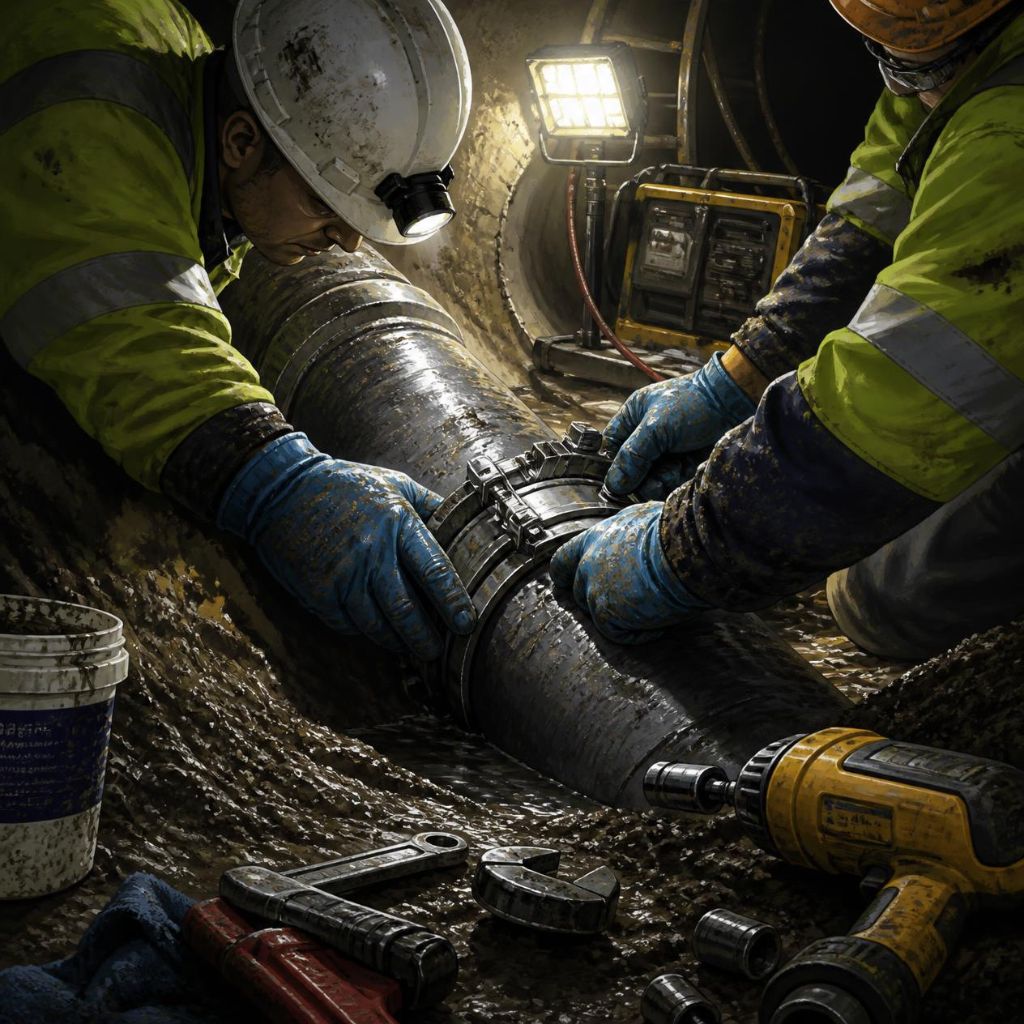
Trenchless sewer repair is a modern plumbing method that fixes damaged or blocked pipes underground. Unlike traditional methods, it requires little to no digging. Technicians access the pipe through small entry points and restore it from the inside.
This approach saves time, reduces mess, and protects your landscaping, driveway, and flooring.
Because trenchless methods often eliminate the traditional method of digging to access service lines, they can save valuable time and effort, produce less mess, and keep your landscaping, driveway, and floors intact.

Why do Sewer Lines Break Down

Several factors lead to sewer line damage over time:
* Tree roots may break through the pipe walls.
* the corrosion and cracking of clay or cast iron pipes due to age,
* Grease buildup throughout the years can cause major clogs in the pipes.
* Ground shifting puts pressure on buried pipes.
* The accumulation of debris can lead to the removal of the septic tank clog.
All of these reasons show that early detection is very important. The longer you delay addressing any issues with your sewer line, the more severe the problem will become.
drain cleaning service in Houston

How does Trenchless Sewer Repair Work?

There are two main trenchless techniques that plumbers generally use:
1. Pipe Lining (CIPP) A flexible liner coated with resin is inserted into the damaged pipe. Technicians then inflate it and cure it in place. Consequently, a new pipe forms inside the old one — without excavation.
2. Pipe Bursting
The bursting head breaks down the existing pipe while inserting a new pipe at the same time. It is effective in dealing with badly damaged or collapsed pipes.

The Hydro Jet Sewer Cleaning Process

Hydro jet sewer cleaning is often conducted before making repairs. The process involves the use of pressurized water to eliminate grease buildup, tree roots, and other debris inside the pipe.
The hydro jetting procedure also smooths out the interior surfaces of the pipe so that it is easier for the new liner to bond with the pipe.

Signs You Need Sewer Pipe Cleaning or Repair

Watch for these warning signs:
* Slow drains throughout the home
* Gurgling sounds from toilets or sinks
* Sewage smells around drains
* Wet spots or sinkholes in the yard
* Recurring clogs even with regular sewer cleaning
If you see several signs, look for sewer cleaning near me right away. Prompt action prevents structural damage and costly replacements.

Why People Prefer Trenchless Sewer Repair?

There are some reasons behind choosing this technique:

* No disruption – there is no need to dig large trenches.

* Fast installation – almost all projects can be completed in one or two days.

* Long-lasting – relining pipe will work for about 50+ years.

* Economical – saves money on labour and restoration.

* Environmentally friendly – digging does not affect the ecosystem.

Another important advantage is that the process applies to both commercial and residential systems.

Trenchless Sewer Repair vs. Traditional Excavation

Yard damageMinimalExtensive
Completion time1–2 days3–5 days
CostModerateHigher overall
Pipe lifespan50+ yearsVaries
Disruption levelLowHigh

Frequently asked Questions

How long does trenchless sewer repair take?

Most trenchless sewer repair jobs take one to two days, depending on pipe length and damage severity.
Yes. It works on clay, PVC, cast iron, and concrete pipes. A camera inspection confirms suitability beforehand.
n most cases, yes. Hydro jet sewer cleaning removes blockages and debris, which allows the repair liner to bond properly.
Search online for licensed local plumbers with experience in trenchless methods. Check reviews, certifications, and whether they offer camera inspections.
Absolutely. Technicians use camera inspections and hydro jetting to address main sewer line clog removal before applying the trenchless fix.
Costs vary by pipe length and damage. However, trenchless repair typically costs less than traditional excavation when you factor in restoration expenses.

Professional Sewer Cleaning Services: 5 Steps For Better Flow

sewer cleaning services

Professional Sewer Cleaning Services: 5 Steps For Better Flow

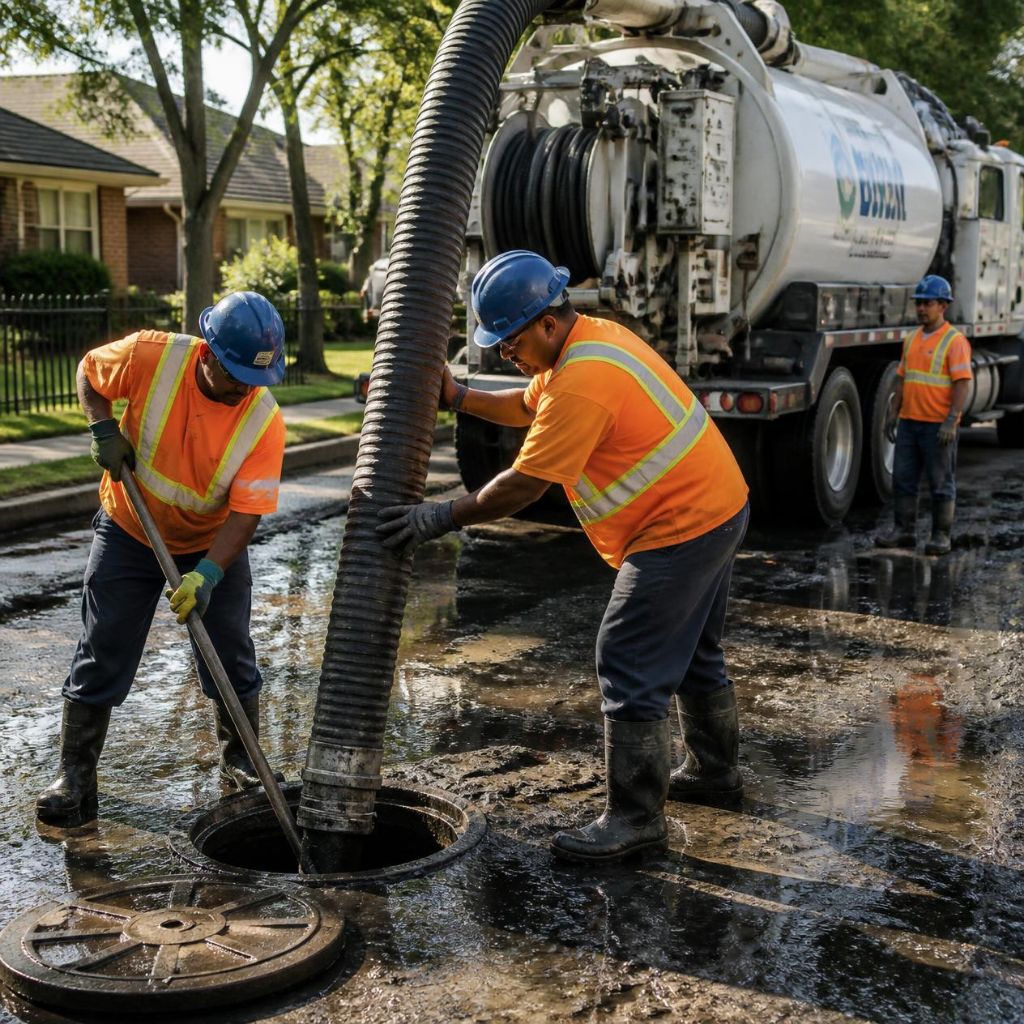
Do you know what happens when you call a professional sewer cleaning company?When you schedule professional sewer cleaner services, they will first look at your sewer line with a tiny camera so that they can see how badly it is clogged. Once the problem is located, they will then use specialized equipment to break up and remove the clog. Finally, they’ll check to make sure everything is in working condition again. In this way, the blockage within your sewer lines will be removed. To be safe from potential health hazards, bad odors, and expensive repair costs, using professional sewer cleaning services is the most effective way of maintaining your plumbing system for all seasons.

Steps of Sewer Cleaning Services

Step 1: Inspection First

Before anything else, your plumber sends a small waterproof camera into your pipes. This camera shows exactly where the clog is and what caused it. So, there are no guesses. Your plumber sees the problem clearly and picks the right fix right away. This first step saves time and makes the whole sewer cleaning process much smoother.

Step 2: Selecting the Appropriate Cleaning Method

Your plumber will choose which tool to use based on the inspection of your sewer system. Generally, professional plumbers use one or both of two main processes for cleaning sewer pipes:

  • Hydro-Jetting: Hydro-jetting employs an extremely high-pressure water jet that cleans off the inner surfaces of your sewer pipes. Hydro-jetting is extremely effective in removing difficult obstructions such as grease, roots, and all other forms of debris.
  • Drain snaking: This process effectively breaks down softer obstructions like hair and paper by means of a rotating cable made out of steel.

    Either way, your plumber will use the best and most efficient method of sewer cleaning.

Step 3: The Cleaning Happens
Now your plumber gets to work. They send the hydro jet or snake through your sewer lines and clear out everything blocking the flow. Meanwhile, all the broken-up debris gets flushed out of the pipe. By the end of this step, your lines are open, clean, and flowing freely. Moreover, a good sewer cleaning services company removes years of buildup you did not even know was there.

Step 4: A Final Camera Check

A good plumber always does one check with a camera after they have cleaned the pipes. This is to make sure that the pipes are really clear and that nothing was hurt during the cleaning.

The plumber uses the camera to look for any problems. If the camera finds any cracks or weak spots in the pipes, the plumber will let you know about it.

A great plumber like this helps you fix problems with your pipes before they become big and expensive to fix. Your plumber does this by using the camera to check the pipes after cleaning.
Step 5: You Get a Clear Report
Finally, your plumber walks you through what they found and what they did. They give you tips on keeping your pipes clean longer — like what not to pour down the drain. This step puts you in control of your plumbing health going forward.

Signs You Need Sewer Cleaning Right Now

Not sure if you need to call professional sewer cleaning services? Watch for these warning signs:

  • Drains are slow in your sink, tub, or toilet
  • You hear gurgling sounds from your pipes
  • There is a bad smell near your drains or in your yard
  • Water backs up when you flush the toilet

If any of these sound familiar, do not wait. The sooner you call, the smaller the problem stays.

sewer cleaning services

How Often Should You Schedule Sewer Cleaning Services?

Twice a year? Not always. Some houses need drain work less often; others, more. Big trees nearby can mean trouble underground. Apart from that, older plumbing tends to clog faster. Additionally, more people living there usually means more gunk building up. Your local pipe expert knows what signs to check. Thus, they’ll guide you on how soon you should go again.

Conclusion

When drains drag, trouble grows behind the walls. Wait too long, and that small hitch becomes a costly headache. Pipes start gurgling? Odors creep out of nowhere? A proper cleanup skips the drama and gets things moving again. The right sewer cleaning services make it smooth. Later on down the road, small clogs can turn into big headaches—plan cleanup work early. When pipes stay clear, life at home runs smoother, safer, and easier.

Seasonal Sewer Cleaning And Maintenance Checklist for Texas Homeowners

sewer-cleaning

Seasonal Sewer Cleaning And Maintenance Checklist for Texas Homeowners

Do Texas homeowners really need seasonal sewer maintenance, and does it make a difference?
Yes, seasonal sewer care helps prevent growing buildups, dirty smells, and costly repairs, especially in Texas, where heat, storms, and tree roots affect sewer lines. Regular sewer cleaning keeps pipes clear and helps detect small problems early. This checklist explains what to do in each season so your sewer system works well all year. You will learn simple steps like monitoring drain speed, avoiding grease buildup, and scheduling professional sewer cleaning and repair services at the right time. When homeowners follow seasonal sewer care, they reduce emergencies, protect their homes, and save money. In short, smart sewer maintenance keeps your plumbing safe, clean, and stress-free throughout the year.

Why Seasonal Sewer Maintenance Matters in Texas

Texas weather changes a lot. Summers get very hot, while storms can bring heavy rain, and winter sees snowfall. Because of this, sewer lines face extra stress. Roots grow faster, pipes expand, and debris builds up more quickly. However, when you plan sewage cleaning by season, you stay ahead of trouble. As a result, your drains flow better, and your home stays safe.

Spring Sewer Maintenance Checklist

Spring is the best time for the routine check-up of your sewer system.

  • First, watch how fast your sinks and tubs drain
  • Next, look for bad smells near drains
  • Also, check outside cleanout caps for leaks
  • Then, schedule professional sewage cleaning services if the drains slow down

Summer Sewer Maintenance Checklist

Summer heat puts pressure on sewer pipes.


    • Avoid pouring grease or oil down the drain

    • Run water after using the garbage disposal

    • Flush only toilet paper, nothing else

    • Pay attention to gurgling sounds in drains

      Because pipes can dry out and crack in the heat, sewer pipe cleaning during summer helps keep lines strong and clear.

Winter Sewer Maintenance Checklist

Even mild Texas winters can cause sewer problems.

  • Do not pour fats down the sink
  • Use warm water to help move waste
  • Watch for slow drains after cold nights
  • Call for expert sewer cleaners if water backs up

Cold weather can harden grease inside pipes. Therefore, regular cleaning keeps waste flowing without trouble.

Simple Daily Habits That Protect Your Sewer

Small habits make a big difference.

  • Use drain strainers
  • Throw food scraps in the trash
  • Never flush wipes or paper towels
  • Run water after each sink use

Because daily care adds up, these habits reduce the need for emergency sewage cleaning services.

When to Call for Professional Sewer Cleaning

You should call a plumber when:

  • Drains clog often
  • Sewage smells stay inside
  • Water backs up in tubs or toilets
  • Multiple drains fail at once

Professional cleaning of sewer pipelines removes deep clogs and hidden bu

Final Thoughts

Seasonal sewer care keeps Texas homes safe and clean. When homeowners follow this checklist, they avoid stress and costly damage. With smart habits and timely cleaning services, your sewer system stays strong all year. If problems appear, professional sewer cleaning offers fast and reliable protection for your home.