

The Best Visual Schedule for Your Drains
[Autumn: Great Choice] –> Flush out tree roots before the winter ground shifts.
[Summer & Winter] –> Best for emergency fixes or routine indoor drain checks.
The True Cost: Preventive Cleaning vs. Emergency Sewer Pipe Repair
Service Type | Average Houston Cost Range | What It Covers | Emergency Risk |
Routine Sewer Cleaning | $250 – $500 | Camera inspection, line flushing, root removal. | Very Low |
Emergency Hydro-Jetting | $600 – $1,200+ | After-hours clog removal during a backup crisis. | High |
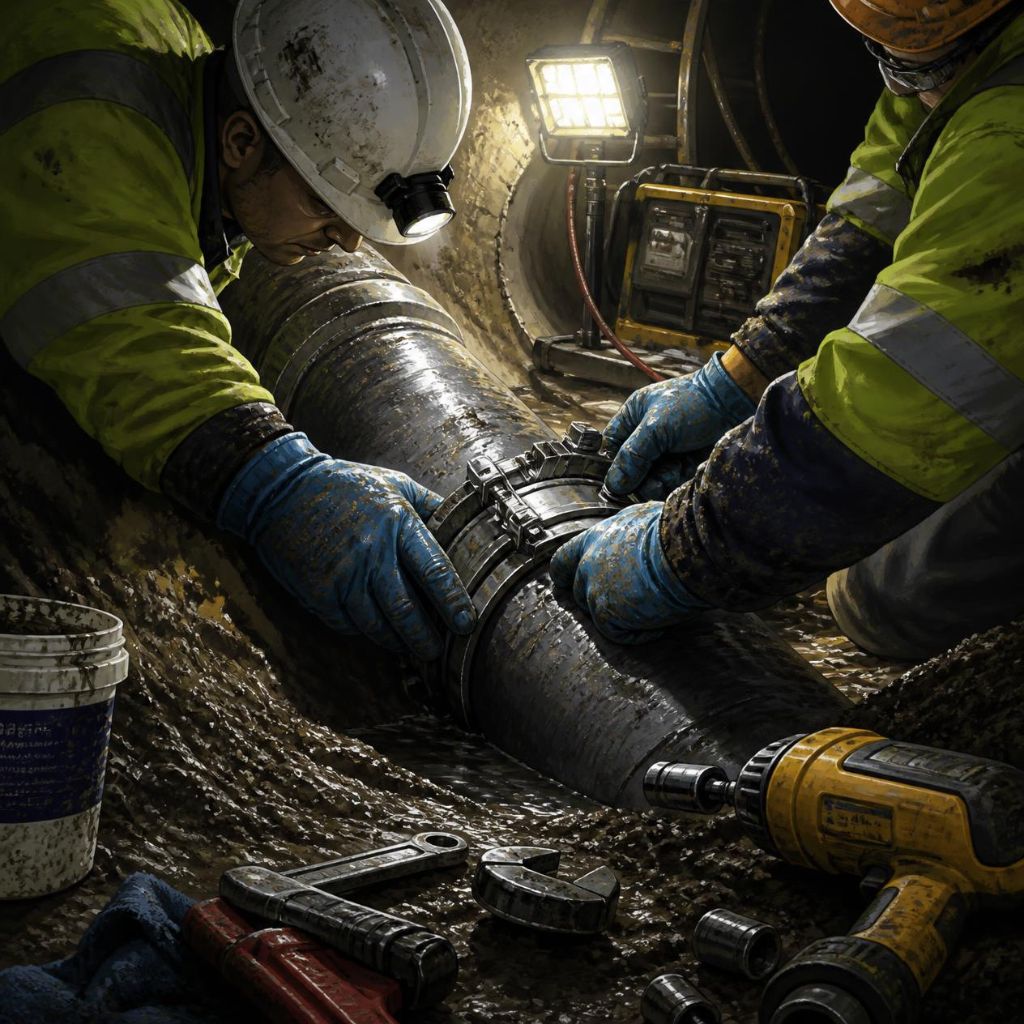
Trenchless Sewer Pipe Repair | $4,000 – $12,000 | Pipe lining or bursting to replace structural damage. | Disaster Level |
Why Spring is the Best Time for Sewer Cleaning
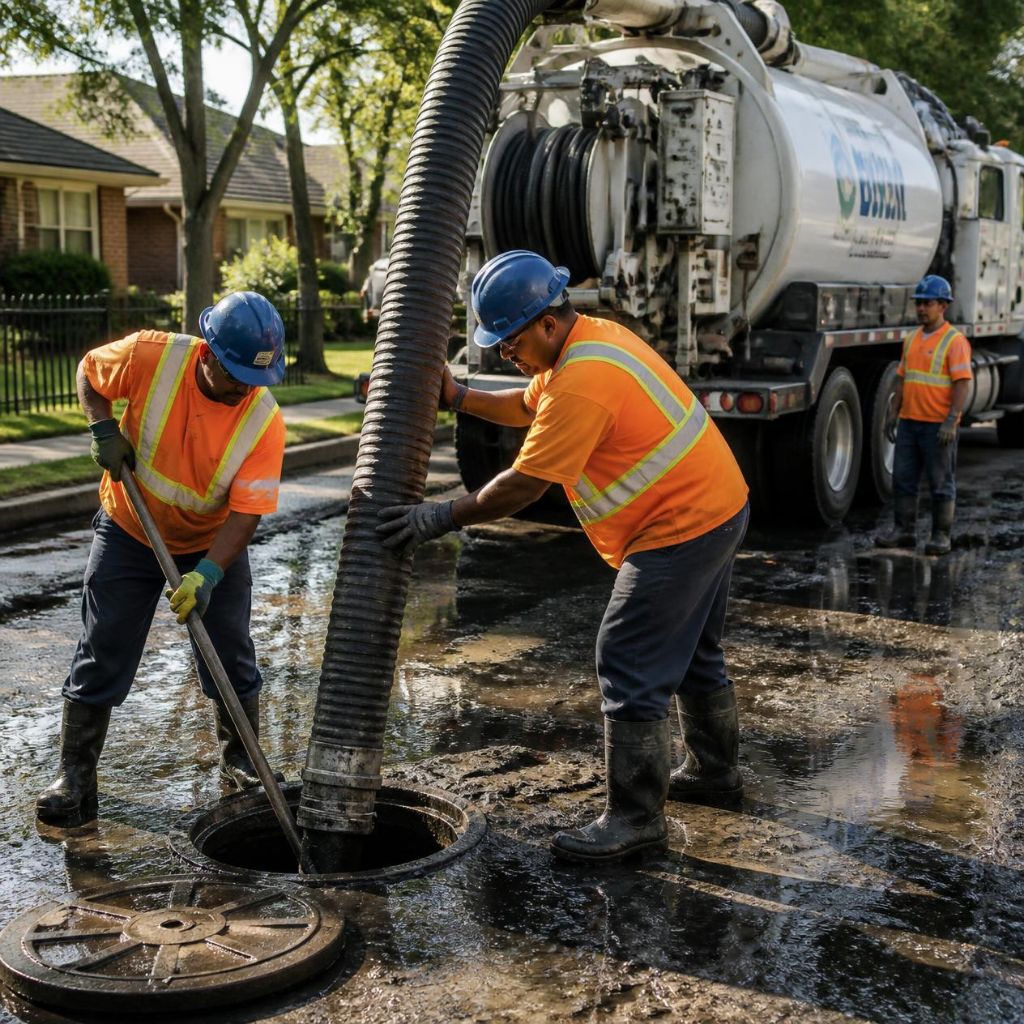
Houston receives heavy rainfall in May and June. If your main sewer line contains grease, wet wipes, or hair, a sudden heavy downpour will overwhelm your pipes. As a result, wastewater can back up directly into your shower drains and toilets. Clearing the line in March or April guarantees your pipes can handle the heavy summer deluges.
Furthermore, tree roots grow actively during the spring. They seek out moisture and can crack your pipes to get inside. When you schedule a professional cleaning early in the year, technicians cut away these invading roots before they cause a serious sewer pipe repair bill.
Autumn: Your Secondary Window
If you miss the spring window, late autumn is your next best option. October and November bring cooler temperatures and clearer skies.
During the hot summer months, people cook indoors, host barbecues, and run their garbage disposals frequently. Consequently, cooking fats and food debris build up inside your sewer lines. Cleaning your lines in the fall flushes out all that summer sludge before the winter holidays arrive.
Hydro-Jetting vs. Snaking: Which Method Fits Your Houston Home?
- Traditional Snaking (Cabling): This method uses a mechanical auger to punch a hole through solid blockages like tree roots or flushed trash. While it restores basic flow quickly, it often leaves grease and sludge stuck to the pipe walls.
- Hydro-Jetting: This advanced technique blasts high-pressure water—up to $4,000\text{ PSI}$—through your lines. It acts like a pressure washer for the inside of your plumbing, scrubbing away decades of built-up kitchen grease, scale, and stubborn sludge.
Signs You Need to Find Sewer Cleaning Near Me Right Now
- Multiple Clogged Drains: If your kitchen sink, shower, and toilet all drain slowly at the same time, the blockage rests deep inside your main sewer line.
- Gurgling Noises: Bubbling or gurgling sounds coming from your toilet when you run the bathroom sink indicate trapped air from a clog.
- Foul Odors: Rotten egg smells or sewage odors near your drains, mean wastewater is sitting in your pipes instead of flowing out to the city main.
- Sewer Cleanout Overflow: If you see water spilling out of the white plastic pipe in your yard (your cleanout), your line is completely blocked.
Act Proactively to Prevent Expensive Sewer Pipe Repair
Frequently Asked Questions
How often should I schedule a sewer cleaning in Houston?
For most Houston homes, we recommend scheduling a professional sewer cleaning once every 1 to 2 years. However, if your property has mature oak or pine trees with aggressive roots, or if you live in an older home with original cast-iron pipes, an annual inspection and cleaning every spring is the safest strategy to prevent sudden backups.
How much does a standard sewer cleaning service cost in the Houston area?
A routine, preventative sewer cleaning service generally costs between $250 and $500, depending on the length of your main line and whether the plumber uses a traditional snake or hydro-jetting. In contrast, waiting for an emergency backup during a major storm can push emergency plumbing rates well over $1,000.
Can I use chemical drain cleaners instead of a professional sewer cleaning near me?
No, you should absolutely avoid pouring liquid chemical drain cleaners down your main sewer line. These harsh chemicals rarely clear heavy mainline blockages like tree roots or thick grease. Instead, they sit in your pipes, generate extreme heat, and eat away at your plumbing walls. This causes severe structural damage that ultimately requires an expensive sewer pipe repair.
How long does a professional mainline sewer cleaning take?
A standard residential sewer cleaning typically takes between 1 to 3 hours. The exact time depends on the severity of the blockage, the total length of your sewer lateral line, and whether the technician encounters heavy tree root intrusions that require specialized cutting blades or hydro-jetting equipment.