Open now · 24-hour emergency service Sunday to Friday: open 24 hours · Saturday: closed 1 Mockingbird Circle, Houston, TX 77074
4.7from 113 Google reviews Water pressure regulators: test, adjust, replace

Pressure Reducing Valve Replacement in Houston

Water pressure too high, or suddenly too low? Check the pressure reducing valve.

A pressure reducing valve on the main water line keeps the pressure in your house at a safe level. When it wears out, pressure can creep up until faucets drip, toilets run and the water heater relief valve leaks, or it can choke the supply so every shower feels weak. Royal Flush Affordable Plumbing tests the pressure, adjusts or replaces the valve, and checks the expansion tank that should go with it.

  • Pressure tested before anything is replaced
  • Licensed and insured, RMPL #42403
  • Price agreed before any work

Get a pressure valve quote

Tell us the symptom. A plumber calls back with a price range, not a call center.
Get my free quote

We only use your number to call you back about this job. No spam, ever.

Prefer to talk? 281-612-1015

Signs you need this

Signs your pressure valve is failing.

A regulator wears out slowly, so these signs creep up. Several together point to the valve.

A gauge reads above 80 psi

Plumbing codes generally require a regulator when the supply is above 80 psi, because higher pressure wears out everything in the house.

The water heater relief valve drips

Often a sign of high pressure or of thermal expansion with no working expansion tank.

Toilets hiss or run on their own

Fill valves struggle to seal against high pressure.

Banging pipes when the washer stops

High pressure makes water hammer louder and harder on the pipes.

Weak pressure everywhere, suddenly

A regulator can fail the other way too, choking the flow to every fixture in the house.

A leak or hum at the valve

Water at the valve body or a humming, vibrating sound from the main line near the house.

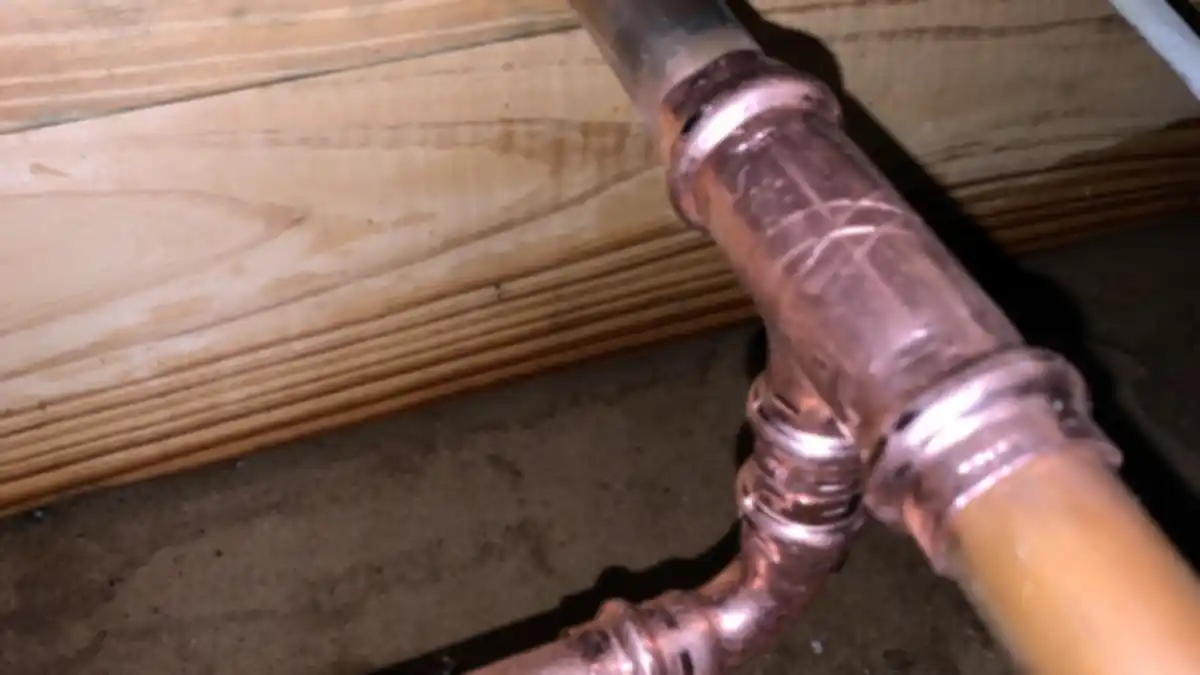
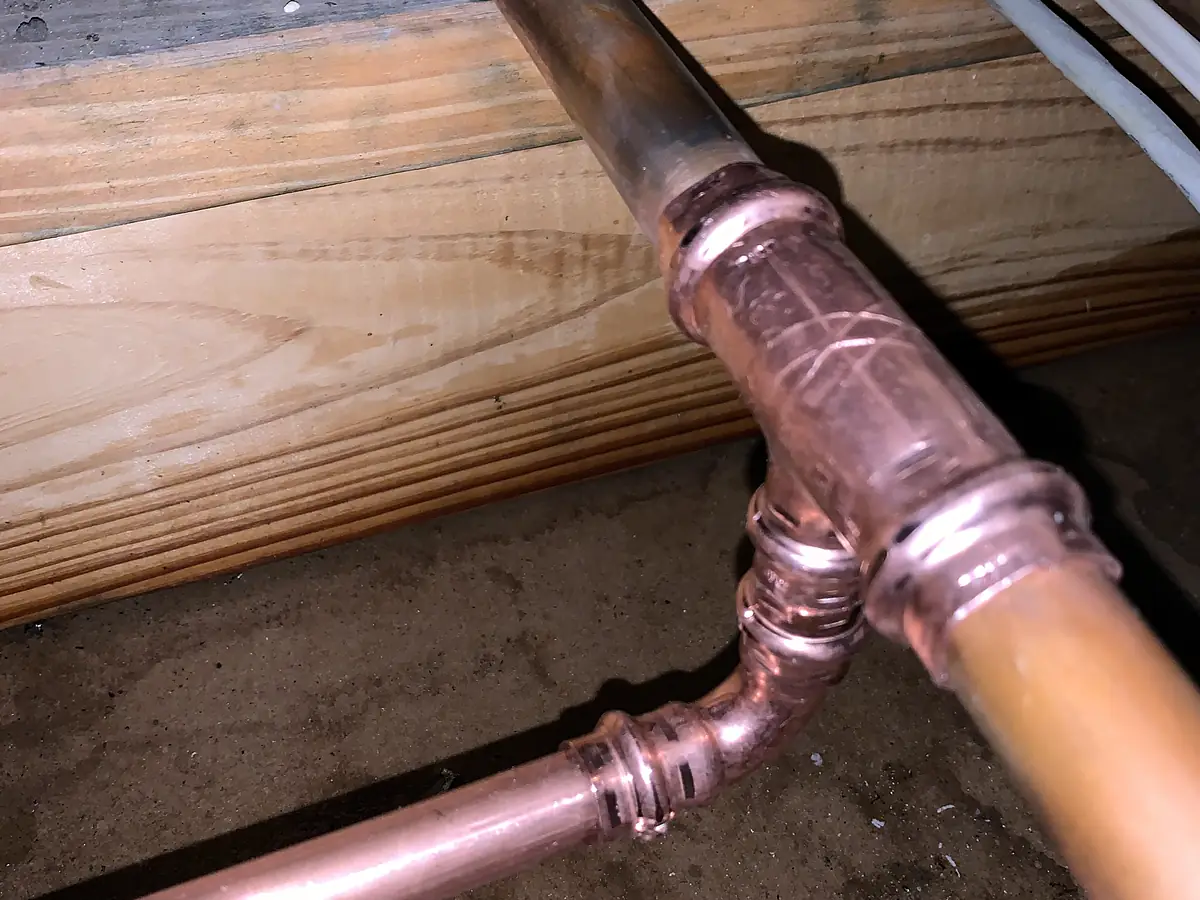
Close-up of new soldered copper pipe joints in an attic
80 psithe code limit inside the house
Why it matters

One valve protects every fixture in the house.

Street pressure in parts of the Houston area can be higher than a house is built to handle. The pressure reducing valve, a bell-shaped brass valve on the main line where it enters the house or near the meter, lowers it to a set level. Houston follows the Uniform Plumbing Code, which calls for a regulator with a strainer when the incoming pressure is above 80 psi.

A regulator also makes the plumbing a closed system, so the water that expands as the water heater warms up has nowhere to go. That is why the code also calls for an expansion tank with a regulator. When we replace a valve, we test the pressure before and after, set it to a safe level, and check that the expansion tank is working. You get the price for the valve and for anything else it needs before any work starts.
  • Pressure testedStatic pressure measured with a gauge before and after, so the problem is proven, not guessed.
  • Valve set correctlyInstalled in the right direction with a strainer, and set to a safe pressure for the house.
  • Expansion tank checkedThe tank that should go with the regulator is tested and its air charge set, or added if it is missing.
How we fix it

How a pressure valve job works.

Testing comes first. Nothing is replaced until the gauge shows the problem.

Check it yourself

Screw a pressure gauge (sold at hardware stores) onto an outside faucet near the main line, make sure no water is running in the house, and open the faucet. Above 80 psi is too high. Leave it on overnight if the gauge has a maximum needle; a much higher overnight reading points to the valve or to thermal expansion.

Call 281-612-1015
  1. 1
    Step 1

    Pressure test

    We measure the static pressure and watch how it behaves when fixtures run and when the heater warms up.

  2. 2
    Step 2

    Find the cause

    A failed regulator, a valve set too high, a clogged strainer or a missing or waterlogged expansion tank.

  3. 3
    Step 3

    Price before work

    Adjust, clean, or replace the valve, and the expansion tank if needed, each priced before we start.

  4. 4
    Step 4

    Replace and set

    The water is shut off, the new valve installed and set, the expansion tank checked, and every fixture tested.

What affects the price

What affects the price of a regulator replacement.

The price is agreed before the work starts. It depends on these.

Adjust or replace

Some valves only need adjusting or a clean strainer. A failed valve is replaced.

The pipe around it

Corroded or old pipe at the valve may need a short section replaced so the new valve connects to sound pipe.

Where it is

A valve above ground by the house is quicker to replace than one in a buried box or a tight space.

Expansion tank

Adding or replacing the expansion tank at the water heater is a separate item, priced with the valve.

The coupon

$25 off any plumbing service. One coupon per job; competitor coupons accepted.

Pressure Reducing Valve Replacement FAQs

Pressure reducing valve questions.

Still not sure? Call and describe the problem. We’ll tell you honestly whether it’s a 20-minute fix or a job worth quoting.

Ask a plumber: 281-612-1015
01What is normal water pressure for a house?
Most homes are designed for about 40 to 80 psi. Plumbing codes generally require a pressure regulator when the incoming pressure is above 80 psi.
02How do I know if my pressure reducing valve is bad?
Pressure that reads above the set level or creeps up overnight, a valve that does not respond to adjustment, a hum or vibration from the main line, a leak at the valve body, or weak pressure everywhere all point to a failing regulator.
03Where is the pressure reducing valve?
Usually on the main water line where it enters the house, often near the main shut-off valve, in the garage or a utility closet, and sometimes near the meter. It is a brass, bell-shaped valve with a bolt or screw on top.
04Do I need an expansion tank with a pressure regulator?
In most homes, yes. The regulator stops water from flowing back to the street, so the extra water from heating has to go somewhere. The code calls for an expansion tank in that case, usually on the cold line at the water heater.
05Can I just turn up the regulator to get better shower pressure?
Not past 80 psi. If one shower is weak, the cause is usually a clogged shower head or cartridge. If every fixture is weak, the regulator or the pipes need checking.
06Is the plumber licensed?
Yes. Royal Flush Affordable Plumbing is licensed and insured and works under Texas Responsible Master Plumber License RMPL #42403.
Google reviews

What Houston says after the job is done.

Pulled straight from our Google Business Profile.

4.7 113 Google reviews Google Business Profile
Latest review
Gabriel Gonzalez
Gabriel Gonzalez Google review · 2 weeks ago

They were timely, professional, knowledgeable, and fairly priced.

See this review on Google
Ready when you are

Pressure too high or too low? Get it tested.

A licensed plumber measures the pressure, finds the cause and agrees the price before anything is replaced.

Request a callback

Name and number is enough. A plumber calls you back.

Call me back