Hurricane Season Plumbing Prep Checklist for Houston Homeowners

Hurricane Plumbing Prep Houston, checklist
Hurricane seasons are characterized by a lot of rainfall, and flooding poses a threat to your plumbing system.
The hurricane plumbing prep Houston checklist that homeowners complete each year can mean the difference between a dry house and a costly disaster.
Thus, the annual prep checklist for hurricanes, which involves taking care of your plumbing system, saves your house from disaster.
This is due to the fact that since Houston lies low in altitude and near the coast, the stormwater easily enters the pipes and the sewers.
 
In the following paragraphs, I will give you a step-by-step checklist for Houston homeowners.

Why Homeowners Need to Start Early Hurricane Plumbing Prep checklist

While storms strike suddenly, underlying plumbing problems often develop slowly, out of sight. A minor root intrusion in your sewer line, for example, can turn into a complete blockage once heavy rainfall saturates the soil and causes roots to swell. Additionally, aging pipes are more prone to cracking or bursting under the added pressure that flooding puts on the ground around them. With that said, the experts at Houston suggest beginning hurricane plumbing prep weeks before the onset of hurricane season. Why? If you do not, you might find yourself looking for emergency plumbing services at the most inconvenient time

Sewer Line Flood Risks in Houston Neighborhoods

Houston communities have been established in flat terrain. The consequence is that flooding due to sewer backups in Houston is much more common compared to other cities that have high elevations. Groundwater rises and forces its way into sewer pipes through the outside. At the same time, there are rains inside the city.
Indicators that Your Sewer Line Requires Service
* Gurgling noises coming from drains
* Drains are draining slowly
* Sewage smell close to cleanouts outdoors
* Water rising in the lowest drain inside the house.

Hiring a professional plumber to inspect the sewer line before hurricane season begins is a key part of hurricane plumbing prep, helping keep track of cracks, clogs, or tree root intrusion before they can turn into major problems.

Adding a backwater valve offers further protection against flooding — a simple device that most Houston homes don’t have installed by default, yet it plays a critical role in preventing sewage from flowing back into the property.

Homes in older neighborhoods, which often still have clay pipes, need this inspection even more, since clay is especially prone to cracking and root intrusion. Without it, small issues can quickly escalate into major sewer backups once heavy stormwater hits the system.

Safety of Your Water Heater During Hurricanes

The water heater is quite vulnerable during the hurricane period, especially if it is located in your garage or closet. In addition to that, there is the potential threat from rising floodwater, which may damage the electrical part of your water heater.
 
Water Heater Safety Precautions
1. Raise the appliance onto a strong base if located in flood-prone zones.
2. Disconnect the power source before leaving the premises.
3. Close the water inlet valve so that dirty water does not fill the tank.
4. Check the anode rod and pressure relief valve in advance.
 
In such a way, these precautions minimize risks of fires and unnecessary expenses for replacing a water heater following a natural disaster. Moreover, a properly maintained device will work better when power and water services are restored.

Outdoor Drain Protection as Part of Hurricane Plumbing Prep

During a hurricane, outdoor drains face the most challenging situation. Debris from the hurricane blocks the drains and creates obstructions. Thereby, water cannot flow anywhere but towards your foundation. Also, blocked storm drains around you put your whole street at risk of flooding.

Simple Outdoor Drain Steps 

  • Clear gutters and downspouts of debris
  • Schedule drain cleaning for yard and driveway drains
  • Extend downspouts away from the foundation.
  • Check that outdoor faucets have proper covers.

In addition, outdoor faucet protection prevents pipe bursts caused by sudden pressure shifts or debris impact during high winds. Wrapping exposed faucets and shutting off outdoor water lines beforehand adds another safeguard.
Because Houston storms often bring both wind and flooding together, addressing outdoor drains protects your home from two directions at once.

Backflow Prevention Steps

Backflow happens when contaminated water reverses direction and enters your clean water supply. During a hurricane, pressure drops in city water lines make this far more likely.

Therefore, backflow prevention deserves serious attention in any hurricane plumbing prep Houston plan.

How to Prevent Backflow

  1. Put a backflow prevention device in your water supply pipe.
  2. Test the installed devices yearly, better yet, before the storm season.
  3. Locate your main shutoff valve.
  4. Do not use tap water for consumption during floods.

Likewise, a professional plumber can perform the inspection of your system immediately and see whether it is working properly, as this step alone can make a meaningful difference in your hurricane plumbing prep. As problems associated with backflow can be discovered only when the contamination takes place, you should check your system beforehand.

Building Your Full Hurricane Plumbing Prep Houston Checklist

Combining all of these measures into one strategy yields the following:
• Set up an appointment to have the sewer lines checked.
• Have your backwater valve installed or tested.
• Secure and elevate your water heater.
• Remove debris from your gutters and other outdoor drains.
• Drain outdoor faucets and insulate them.
• Test backflow prevention devices.
• Keep the number of an affordable plumber who works in Houston on hand.
 
Overall, this list helps eliminate your concerns should the weather turn stormy, while preserving the value of your home and keeping repairs affordable.
this hurricane season be pre alert and safe with hurricane plumbing prep Houston cheklist by royal flush plumbing

When to Call an Emergency Plumbing Company in Houston, TX

Sometimes a storm moves in faster than you can prepare for. In these situations, call a licensed Houston plumber right away if you notice signs of sewage backup, water heater leaks, or flooding near your home’s foundation. Having a professional on call means help can arrive quickly when you need it most.
That said, it’s best to have a hurricane plumbing prep checklist ready and save a trusted plumber’s number before hurricane season starts — during a storm, emergency lines get backed up, and having that contact ready in advance can save valuable time.

Frequently Asked Questions

How can I make sure that my sewer line is protected against a hurricane in Houston?

Get a professional sewer line inspection and install a backwater valve so that there won’t be any sewage backup when there is flooding.
The heavy rain will overload the sewer system of Houston, while rising water comes into the pipes from the outside.
Yes, ensure you cut the power and gas supplies and also close the water source for the water heater, especially if the area where it’s located may be flooded during hurricanes.
Make sure that you clean your drains outside regularly.
Yes, a backflow prevention device ensures that you keep your clean water safe in the case where the city water pressure decreases due to storms
It varies depending on the extent of the damage that occurred, but it will be cheaper to prepare for plumbing before any storms.

Water Heater Repair Houston TX: 10 Common Causes for No Hot Water

water heater repair houston

Water Heater Repair Houston TX: 10 Common Causes for No Hot Water

A cold shower can ruin your morning. Sadly, many local homeowners face this sudden problem unexpectedly. If you find your water heater not working, you need fast answers. Our local guide highlights the main reasons for system failure. We also share how to fix these issues quickly.

No Hot Water Reasons

First, you must identify the source of the issue. Several common problems can completely shut down your system.

1. Tripped Circuit Breaker

Electric systems use a lot of power. Consequently, a sudden power surge can trip your electrical breaker. Check your home electrical panel first to see if the switch flipped off.

2. Extinguished Pilot Light

Gas systems rely on a small flame to light the main burner. However, strong drafts can blow this flame out. If the flame goes out, your system cannot heat the water.

3. Faulty Thermostat

The thermostat controls the internal water temperature. Therefore, a broken thermostat reads temperatures incorrectly. It will shut down your heating cycle entirely.

4. Broken Heating Elements

Electric tanks use two internal metal rods to heat water. Over time, these parts simply burn out. As a result, you will experience lukewarm or completely cold water.

5. Sediment Buildup

Our regional water contains high mineral levels. Because of this, hard minerals settle at the bottom of your tank. This thick layer blocks heat and damages the base.

6. Gas Valve Issues

The gas valve supplies fuel to the burner assembly. If this valve breaks, the system stops receiving fuel. Consequently, the burner cannot ignite.

Tank vs Tankless Issues

Different systems fail in unique ways. Understanding your specific unit type helps you pinpoint the fault.
tankless water heater repair

Traditional Tank Problems

Standard tanks store hot water continuously.
  • Corroded Anode Rod: This rod attracts rust to protect the steel tank. However, it dissolves completely every few years. If you do not replace it, rust destroys the tank walls.
  • Leaking T&P Valve: The temperature and pressure valve releases excess heat safely. But a faulty valve leaks water constantly down the side of your unit.

Tankless System Problems

Modern tankless units heat water instantly on demand.
  • System Overload: Running multiple showers at once overwhelms the unit. Consequently, the system fails to supply enough warm water.
  • Mineral Scale Blockage: Small water pathways inside tankless units clog easily from hard water scale. Therefore, you need professional tankless water heater repair in Houston services to flush the system.

Repair vs Replacement Guide

Should you fix your current unit or buy a new one? Use this simple comparison table to make the right decision.
 
Factor
Choose Repair
Choose Replacement
System Age
Under 8 years oldOver 10-15 years old
Current Issue
Broken element or thermostatLeaking bottom tank wall
Frequency
First time fixing a problemConstantly breaks down
Efficiency
Monthly utility bills look normalPower bills rise every month

Get Expert Help Today

Do not suffer through freezing showers. Our professional team offers top-rated water heater repair in Houston, TX. We fix all traditional tanks and tankless systems quickly.
If you need a reliable water heater repair near me, we can help right now.

Frequently Asked Questions

Why is my water heater running but I have no hot water?

Your heating components are likely broken. For electric systems, a broken heating element stops warming the water. For gas systems, a faulty thermocouple or a dirty burner blocks the flame from heating the tank. You need professional water heater repair services to test these internal parts safely.


How many years does a traditional water heater last?

A standard tank system usually lasts between 8 and 12 years. If your unit is older than 10 years and breaks down constantly, you should consider a complete water heater replacement.

Why does my shower turn cold very quickly?

Sediment buildup is the most common cause. Over time, hard minerals settle at the bottom of the tank and take up valuable space. Consequently, your tank holds less hot water than it did before.

Is it cheaper to repair or replace a water heater?

Fixing a minor issue like a broken thermostat is much cheaper than buying a new unit. However, if your steel tank leaks from the bottom, you cannot water heater repair it safely. You must buy a replacement.

Why Is Water Heater Installation Important for Your Home?

water-heater-installation-service

Why Is Water Heater Installation Important for Your Home?

Water heater installation is a simple way to save energy and money, and insulation helps achieve the goal. Few individuals ever stop to consider their water heater.

Yet, it provides us with hot water on a daily basis by heating our water for washing, bathing, and laundry. When the tank is not insulated, heat escapes from the tank; therefore, the answer is yes, this causes your water heater to work harder and use more energy than necessary.

The primary goal of insulation in water tank installations is to help retain heat inside the tank longer. This means that your hot water stays warmer outside the tank and therefore does not require additional heat after the tank is full. This helps you save money on your energy bills, which in turn helps you save dollars on your overall utility costs. Additionally, it will prolong the operating life of your hot water system.

water-heater-installation

How does our team help in Houston?

If you are searching for water heater experts for repair and installation in Houston, our team is ready to help. We provide:

* Water heater repair
* New water heater installation
* Tank and tankless services
* Water heater insulation installation
* Routine maintenance and safety checks

Moreover, we guide homeowners on the best insulation options for their unit. If you often search for “water heater installation service near me,” you can trust our local team for fast and friendly service.

How are we different?

Most plumbing services only fix the problem and leave. But we take care of the entire system. We check for heat loss, loose pipes, and old parts. Everything is very well explained and communicated to the customers. As a result, our customers feel confident and informed.

Furthermore, we focus on affordable pricing without cutting corners. Our team arrives on time and cleans up after the job. Most importantly, we treat every home with care.

What Our Customers Say?

One happy customer shared, “They insulated our water heater and installed a new unit. The team was kind, quick, and very neat. Now our water heats faster, and our bills are lower. I highly recommend them!”

In conclusion, water heater insulation is a smart upgrade for any home. It saves energy, protects your system, and reduces costs. And all machinery needs a little tender love and care from time to time, which is where we come into action. We help with your water heater installation, repair, and replacement. Hence, if you need expert help in Houston, our trusted team is ready to serve you.

Water heater installation is an essential service for ensuring a reliable hot water supply in your home. Whether you’re replacing an old unit or installing a new one, professional installation ensures safety and efficiency. A licensed technician will assess the size, type, and energy source that best suits your needs—whether it’s gas, electric, or tankless. Proper installation not only helps prevent leaks and energy waste but also maximizes the performance and longevity of your water heater. Always hire a qualified expert to guarantee a smooth and safe setup.

Tank Vs Tankless Water Heater: Consider These Aspects Before Choosing the One

Tank Vs Tankless Water Heater

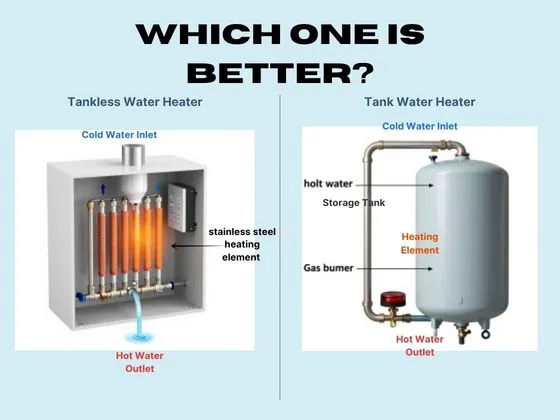
Tank vs tankless water heater – this debate is still on. Which one is the best option? Many people do not know how to choose between these two. Let us compare and analyze the advantages and disadvantages of tank and tankless heaters.

Tank Water Heaters

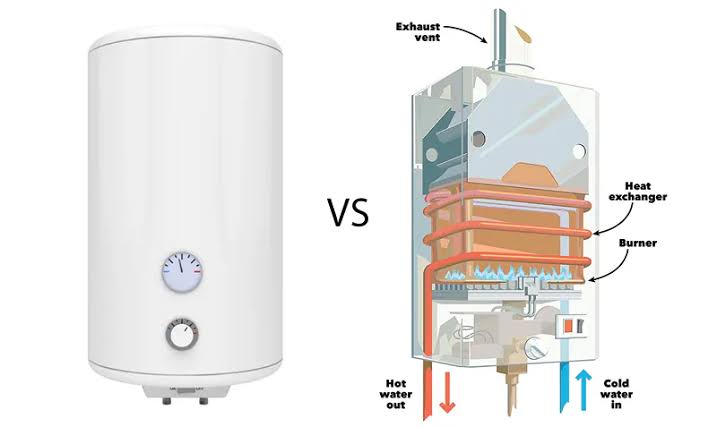
As the name suggests, these traditional water heaters have a tank. Further, they store and preheat water in the tank. The thermostat lets you set the temperature. You can find numerous components inside the insulated storage tank of the water heater. When the temperature drops below the preset, the electric or gas parts will take it back to the set limit.

When cold water enters the storage tank, it triggers the inception of the heating process. Once heating is completed, the water flows from the tank’s upper pipe to the connected faucets.

Tankless Water Heaters

The name reveals that these appliances do not have a tank. Also known as On-demand water heaters, they heat the water based on your requirements. High-powered burners perform the heating process efficiently. To be precise, a heat exchanger increases the temperature of the cold water as required.

Now, let us compare the advantages and disadvantages of the tank vs tankless water heater. This comparison will bring more clarity.

Tank vs Tankless Water Heaters – Pros

Tank heaters are more affordable than Tankless versions. In addition, they are capable of heating large quantities of water simultaneously. What does it suggest? Tank water heaters support concurrent hot water usage during showers, making them ideal for larger families.

With an on-demand heating process, tankless heaters provide improved efficiency. These appliances may last up to 20 years. So, they come with better longevity than tank water heaters. Do not worry about leaks when choosing these products. Moreover, they consume less space than heaters with a tank.

Tank vs Tankless Water Heaters – Cons

Tank heaters consume more power than tankless heaters. Naturally, you can expect higher energy bills. Further, the longevity ranges only between 8 and 12 years. The refilling process of the heated water is slower compared to tankless products. Last but not least, these leak-prone devices consume a lot of space.

Compared to tank heaters, the price of these models is higher. The installation can also be expensive. Sometimes, you may need to install a gas line. The lag time for hot water is a disadvantage. Tankless water heaters are still gaining traction and are not as prevalent as traditional tank models. Corrosion of condensing units can become problematic over time. Seek the help of a water heater repair in Houston to address corrosion-related issues.

Tank vs tankless water heater – which one should you choose?

Now, you have a fair idea about these two water heater models. Let us answer this question without any bias. Are you a budget-conscious person? Do you want an instant installation of a water heater with minimal maintenance? If your answer is yes, a tank water heater is the best option for you. At the same time, a tankless heater is a more durable and efficient appliance that helps you save money on your energy bill. Though the initial cost of purchasing and installing this water heater is higher, it offers the best return on investment in the long run.

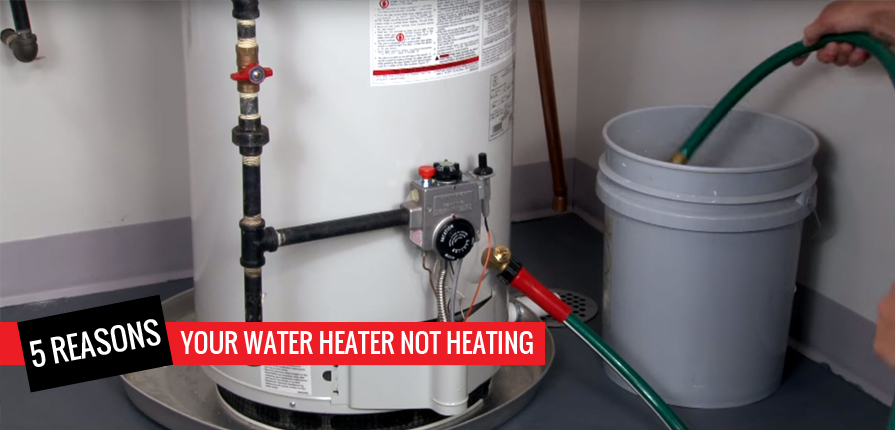
5 Reasons Your Water Heater Not Heating

5 reasons your water heater not heating

Your water heater could be malfunctioning for a plethora of different causes. Determine precisely what problems you’re having as your initial step. A new water heater not heating is the most frequent complaint we hear.

In contrast to devices like washing machines and dishwashers, you use your home’s hot water heater daily. We use this device to deliver warm water for everyday activities, including dishwashing, showering, washing hands, and even doing laundry. Daily use by your family means that issues with the water heater like water heater not heating are not uncommon. In reality, you might be able to fix a hot water heater issue yourself without hiring a contractor.

5 reasons your water heater not heating

Five Possible Reasons about Why Water Heater Not Heating:

There are multiple reasons why a hot water heater could not be functioning. It is crucial to know how to solve the problem. Or at the very least how and where to explain it to a qualified plumber. In the best-case situation, we need a broken pilot light to fix a broken water heater. If that’s the matter, the problem will resolve by just lighting it again.

Lack of Power

Power cut off from source is one of the main causes of a broken water heater or new water heater not heating. When it comes to an electric heater, the issue can be a several types. It can be a blown circuit and perhaps a disconnect switch, both of which are simple to fix. Gas, on the other hand, is already harmful, so if the heater uses gas, the issue might be much worse. Repairing a water geyser is not as expensive as you may imagine. But if there is a gas leak, we need to fix it immediately.

Thermostat Malfunction: 

Even a perfectly working thermostat causes issue when it is set to a summer temperature. Increase the value because that won’t function throughout the winter. To prevent further issues, you will need to totally replace a broken one with a new one.

Rusting: 

The most frequent issue with water-using equipment is rusting. Rust can cause the water tank to break down, which will prevent the heater from functioning properly.

Damaged or Improperly Fitted Valves And Pipes: 

A high probability exists that the water heater is operating properly, but the piping, including valves, is either improperly installed or have suffered severe damage for unknown reasons. Examine them carefully for any obvious leaks or damage.

Loose Parts: 

Parts that are not correctly installed or that are loose can lead to issues like water heater not heating. And it’s not just the pipes; any component, including those in the plumbing, electrical, gas, or mechanical systems, might malfunction or even cease functioning completely if it’s fitted loosely.

Final Thoughts:

Water heaters really aren’t resistant to aging and minor problems that can make them unusable, including unusual noises and odors. Fortunately, the majority of the problems we discussed like the water heater not heating can be resolved very easily and quickly. You may need to upgrade to a new water heater, and you’ll be better prepared than ever to do so with this newfound knowledge! Not only can it be challenging and uncomfortable for you to take a shower, clean the dishes, and wash clothes when your water heater is not providing enough hot water for both you as well as your family, but it can also be a clue that something more serious is going on. To avoid issues, maintain it on regular basis.