

If your service line is damaged or blocked, it can seriously affect the structure of your house. Luckily, a trenchless sewer repair method offers a faster, cleaner, and less costly repair without disrupting your property.
Table of Contents
What Is Trenchless Sewer Repair?
Trenchless sewer repair is a modern plumbing method that fixes damaged or blocked pipes underground. Unlike traditional methods, it requires little to no digging. Technicians access the pipe through small entry points and restore it from the inside.
This approach saves time, reduces mess, and protects your landscaping, driveway, and flooring.
Because trenchless methods often eliminate the traditional method of digging to access service lines, they can save valuable time and effort, produce less mess, and keep your landscaping, driveway, and floors intact.
Why do Sewer Lines Break Down
Several factors lead to sewer line damage over time:
* Tree roots may break through the pipe walls.
* the corrosion and cracking of clay or cast iron pipes due to age,
* Grease buildup throughout the years can cause major clogs in the pipes.
* Ground shifting puts pressure on buried pipes.
* The accumulation of debris can lead to the removal of the septic tank clog.
All of these reasons show that early detection is very important. The longer you delay addressing any issues with your sewer line, the more severe the problem will become.
How does Trenchless Sewer Repair Work?
There are two main trenchless techniques that plumbers generally use:
1. Pipe Lining (CIPP) A flexible liner coated with resin is inserted into the damaged pipe. Technicians then inflate it and cure it in place. Consequently, a new pipe forms inside the old one — without excavation.
2. Pipe Bursting
The bursting head breaks down the existing pipe while inserting a new pipe at the same time. It is effective in dealing with badly damaged or collapsed pipes.
The bursting head breaks down the existing pipe while inserting a new pipe at the same time. It is effective in dealing with badly damaged or collapsed pipes.
The Hydro Jet Sewer Cleaning Process
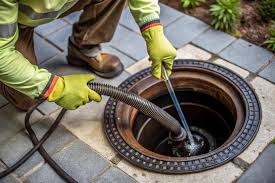
Hydro jet sewer cleaning is often conducted before making repairs. The process involves the use of pressurized water to eliminate grease buildup, tree roots, and other debris inside the pipe.
The hydro jetting procedure also smooths out the interior surfaces of the pipe so that it is easier for the new liner to bond with the pipe.
The hydro jetting procedure also smooths out the interior surfaces of the pipe so that it is easier for the new liner to bond with the pipe.
Signs You Need Sewer Pipe Cleaning or Repair
Watch for these warning signs:
* Slow drains throughout the home
* Gurgling sounds from toilets or sinks
* Sewage smells around drains
* Wet spots or sinkholes in the yard
* Recurring clogs even with regular sewer cleaning
If you see several signs, look for sewer cleaning near me right away. Prompt action prevents structural damage and costly replacements.
Why People Prefer Trenchless Sewer Repair?
There are some reasons behind choosing this technique:
* No disruption – there is no need to dig large trenches.
* Fast installation – almost all projects can be completed in one or two days.
* Long-lasting – relining pipe will work for about 50+ years.
* Economical – saves money on labour and restoration.
* Environmentally friendly – digging does not affect the ecosystem.
Another important advantage is that the process applies to both commercial and residential systems.
* No disruption – there is no need to dig large trenches.
* Fast installation – almost all projects can be completed in one or two days.
* Long-lasting – relining pipe will work for about 50+ years.
* Economical – saves money on labour and restoration.
* Environmentally friendly – digging does not affect the ecosystem.
Another important advantage is that the process applies to both commercial and residential systems.
Trenchless Sewer Repair vs. Traditional Excavation
| Yard damage | Minimal | Extensive |
| Completion time | 1–2 days | 3–5 days |
| Cost | Moderate | Higher overall |
| Pipe lifespan | 50+ years | Varies |
| Disruption level | Low | High |
Frequently asked Questions
How long does trenchless sewer repair take?
Most trenchless sewer repair jobs take one to two days, depending on pipe length and damage severity.
Does trenchless repair work for all pipe types?
Yes. It works on clay, PVC, cast iron, and concrete pipes. A camera inspection confirms suitability beforehand.
Is hydro jet sewer cleaning necessary before repair?
n most cases, yes. Hydro jet sewer cleaning removes blockages and debris, which allows the repair liner to bond properly.
How do I find reliable sewer cleaning near me?
Search online for licensed local plumbers with experience in trenchless methods. Check reviews, certifications, and whether they offer camera inspections.
Can trenchless repair fix a main sewer line clog?
Absolutely. Technicians use camera inspections and hydro jetting to address main sewer line clog removal before applying the trenchless fix.
How much does trenchless sewer repair cost?
Costs vary by pipe length and damage. However, trenchless repair typically costs less than traditional excavation when you factor in restoration expenses.