Hydro Jetting vs Drain Snaking: Which One Is Best for Houston Properties?

hydrojetting or drain cleaning? what is best suitable for your Home
“When faced with a problem of clogged pipes, residents in Houston face difficulty deciding whether to use hydrojetting or drain snaking to solve the problem.”
Both drain cleaning techniques are explained in very simple language for you to understand and use as a reference. You will, therefore, learn about which technique is suitable for your pipes and circumstances.

The Reasons for Frequent Blockages in Houston Homes

Houston’s heavy clay soil moves with every rainfall. In the meantime, tree roots look for water close to old sewer pipes. Grease, hair, and mineral deposits contribute to the problem. Consequently, a proper solution for blockages is more important in Houston than in many other cities. The two main techniques are hydrojetting or drain snaking.
But first, understand your choices to prevent future calls.

What Is Drain Snaking?

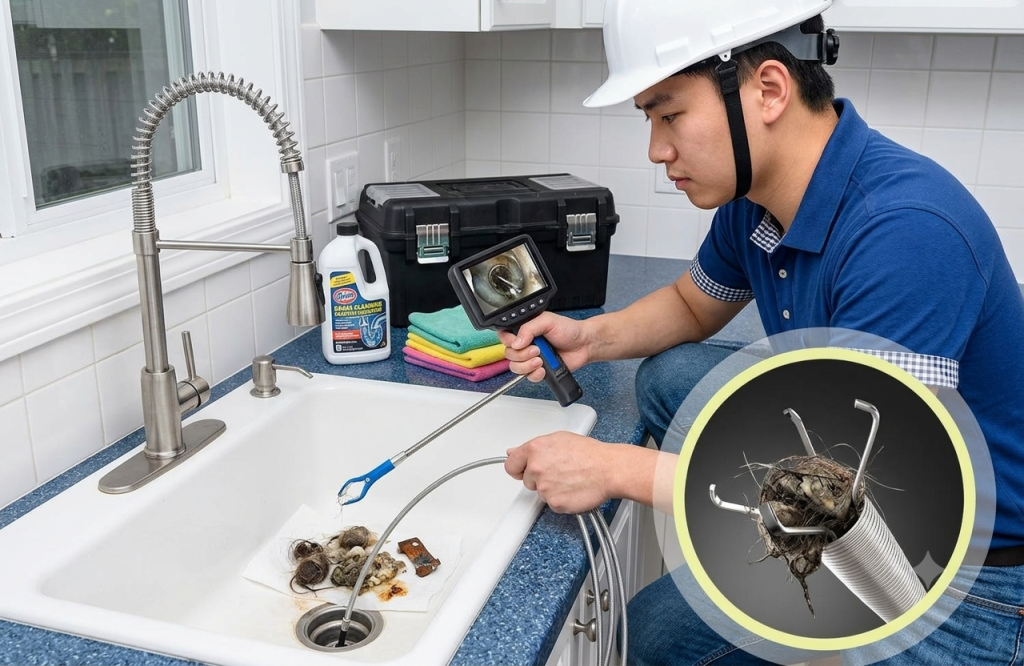
Snaking is done with a long, bendable wire called an auger.
It is inserted into the drain by a plumber, and then the revolving head on the end of the auger either breaks up or grabs the clog.
 
After that, the clog is either pulled or pushed out.
 
It is good for the following things:
* For localized clogs only
* For hair and soft stuff
* For minor toothpaste and soap residue
 
 
Also, it should be noted that while snaking removes the blockage itself, it does not clean the pipes. So it leaves some residue inside the drain.
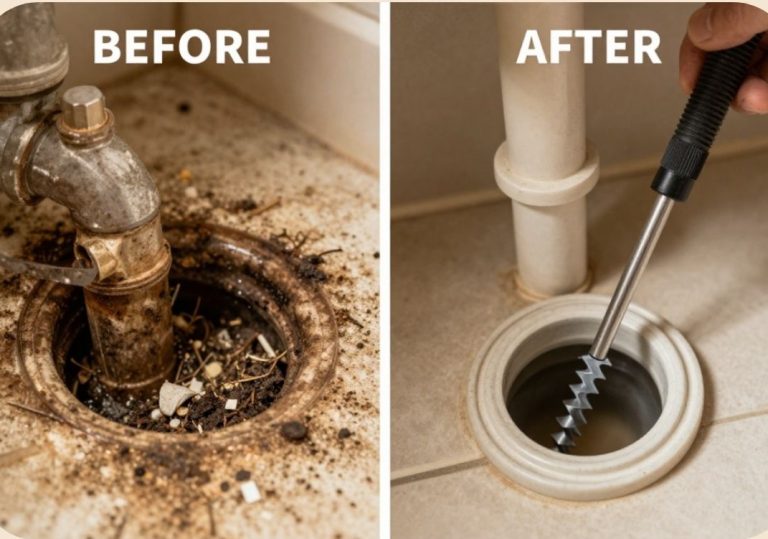
before and after pics of hydrojetting or Drain snaking method used for drain cleaning.

What Is Hydro Jetting?

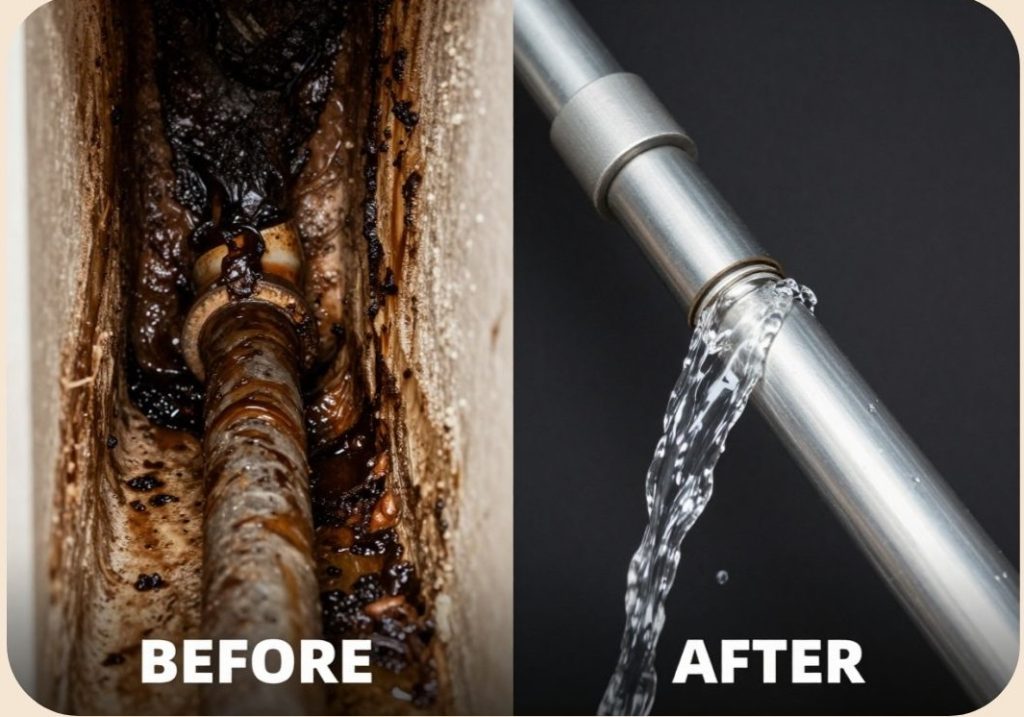
pipe clogs cleared using Hydrojetting technique
Hydro jetting is an alternative way of dealing with the problem.
The water is sprayed using a hose under pressure – up to 3,000 or 4,000 psi – directly into the pipe. Consequently, the pressure cleans the grease, scale, sludge, and roots from the pipe walls.
As a result, hydro jetting cleaning in Houston offers a more extensive clean than snaking does. The pipes get pretty much restored to their initial condition.
Hydro jetting is recommended for:
* Pipes with lots of grease
* Persistent clogs
* Sewer line with roots
* Commercial locations with much drain usage

HydroJetting Or Drain Snaking in Houston: Key Differences

FactorDrain SnakingHydro Jetting
Best forMinor, localized clogsDeep buildup, grease, roots
Cleaning depthSurface-levelFull pipe wall
Longevity of resultsShort-termLong-term
CostLower upfrontHigher upfront, fewer repeat visits
Pipe condition neededAnyMust be structurally sound
Ultimately, snaking answers “what’s blocking this pipe right now?” Hydro jetting answers “how do I stop this from happening again?”

Which Solution is Right for You?

Snaking proves to be an ideal solution for dealing with a clogged drain from one sink quickly and inexpensively. However, hydrojetting is the more practical solution when several drains tend to get blocked frequently, or when there is grease build-up or roots inside the sewer pipe, as seen through a camera.
Sometimes, some old pipes may not withstand the pressure from the high water flow. Therefore, it is advised by a professional Houston plumber to opt for a better choice, like snaking.
Since each house varies, a professional evaluation of whether hydrojetting or drain snaking is the best way to start.

The Price Issue between hydrojetting or drain snaking

Drain snaking usually ends up being cheaper on a per-service basis. However, when blockages keep cropping up within months, that makes the lower price a lot higher. Hydrojetting is initially more expensive. But since it can prevent further service calls, it is ultimately more cost-effective for fixing clogged drains in Houston.
A budget-friendly plumber will discuss both solutions up front without pushing the expensive one automatically.

Hydrojetting or drain snaking: Let the professionals answer

Drain snakes can be found in most hardware shops. Unfortunately, they don’t have the power and accuracy that professionals have when cleaning drains. The wrong use might scratch the pipes or make the blockage worse.
Professionals always do an initial inspection before performing any drain cleaning in Houston. Using cameras during the inspection helps in determining the nature of the problem and where it is located. Therefore, the next step will be choosing the appropriate way to clean based on the type and age of your pipes.

When You Should Call for Professional Drain Cleaning

* Backup of water in more than one fixture.
* Foul odors coming out of the drains.
* Repeated blockages after cleaning out.
* Sluggish drainage throughout your home.
* Gurgling noises in toilets or bathtubs.
All these indicate that there is a problem that requires much more attention than just clogging, and the right technique, whether hydrojetting or drain snaking, will help you. This will save you money in the long run.

Conclusion

Neither of the two techniques wins in all situations. Snaking of the drainage is good for fast clogging. Hydro jetting works well in cases where there is a problem that is stubborn. Whether to use hydro jetting or drain snaking in Houston is dependent on the state of your drainage lines.
A good plumber from the area will make an informed decision based on the situation.

Frequently Asked Question

Is hydrojetting good for old pipes in Houston?

No. Old and brittle pipes can break due to high pressure. The pipes’ integrity is first confirmed using an inspection camera.
Basic drain snaking is usually cheaper compared to hydro jetting; the price depends on the nature of the clog.
Yes. The strong flow of water will easily cut through tree roots.
Houses should have their drains cleaned once every year.
Snaking done by professionals usually does not damage pipes. If it is done as a DIY job, there is a greater possibility of damage.
Hydro jetting is better at removing greasy material from the walls of pipes because it flushes the entire interior
Hydro jetting is more expensive. However, it may save on repeated calls in the future.

 How to Clear Slow Bathroom Sink Drain | DIY & Pro Tips

How to Clear Slow Bathroom Sink Drain DIY Fixes & Professional Solutions

How to Clear Slow Bathroom Sink Drain: DIY Fixes & Professional Solutions

A slow bathroom sink drain is a problem that seems small at first. It can become a big deal with plumbing if you do not do anything about it. Stuff like hair and soap scum and toothpaste builds up in the drain over time which slows down the water and makes smells.

The good thing is that you can fix a lot of drains, by yourself with simple things you can do at home. When those things do not work you should get a professional to clean the drain because it is the best way to do it safely and correctly.

This guide will tell you how to fix a slow bathroom sink drain. It will also tell you when you should call a plumber to help you with your slow bathroom sink drain. Additionally it will tell you how to stop your bathroom sink drain from getting clogged in the future with your slow bathroom sink drain.

Why Is Your Bathroom Sink Draining Slowly?

Before fixing the problem you need to know what causes it. To do that lets look at the reasons.

The common reasons include: 

  • Hair buildup
  • Soap residue
  • Toothpaste deposits
  • Cosmetic products
  • Dirt and grime
  • Mineral deposits from hard water
  • Small objects accidentally dropped into the drain

Ignoring these blockages can eventually lead to a completely clogged bathroom sink.

Signs Your Bathroom Sink Drain Needs Cleaning

  • Watch out for these warning signs of a problem with your drain:
  • Water pools around the drain.
  • The sink empties slowly.
  • You get bad odors coming from the drain.
  • Gurgling sounds appear after draining.
  • Water backs up frequently.

Addressing these signs early can prevent costly plumbing repairs.

DIY Methods to Clear a Slow Bathroom Sink Drain

1. Remove Visible Hair and Debris

2. Flush with Hot Water

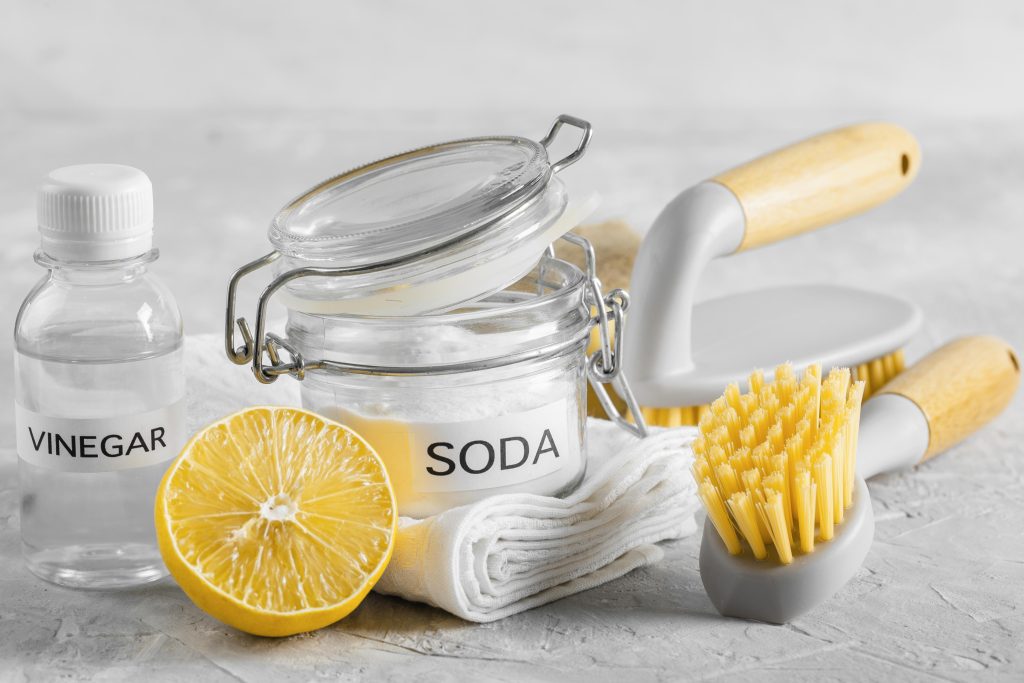
3. Use Baking Soda and Vinegar

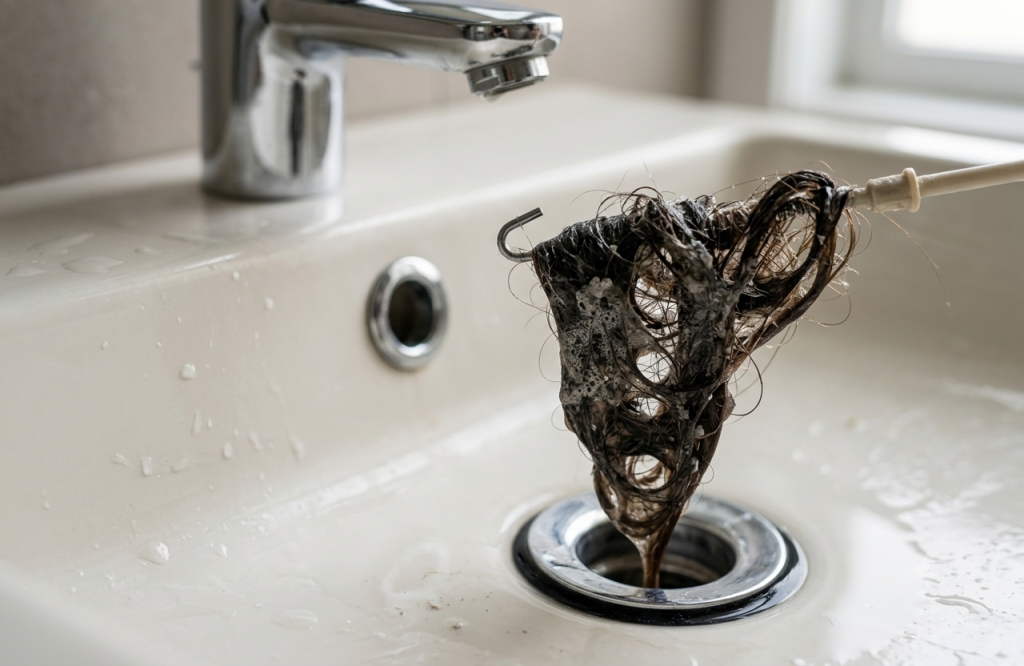
Remove Visible Hair and Debris in Bathroom Sink Drain
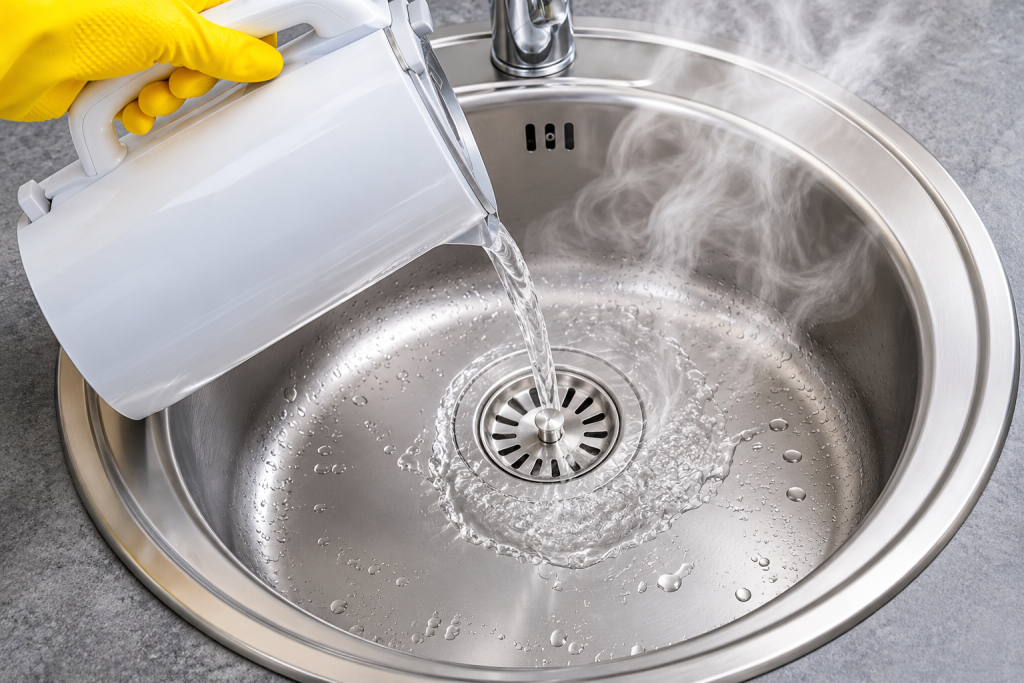
Flush with Hot Water in Bathroom Sink Drain
Use Baking Soda and Vinegar for eco friendly Bathroom Sink Drain Cleaning

Hair is a problem when it comes to a slow bathroom sink drain. Hair can really clog up the drain. To fix this we need to do a things.

Steps:

  • First we need to remove the drain stopper.
  • Then we have to pull out the hair that we can see. We can use gloves or tweezers to do this.
  • After that we should rinse with water.
  • This simple step usually gets the water flowing like normal again.
  • Hair is the thing that causes issues with the bathroom sink drain.

So taking care of the hair, in the bathroom sink drain is important.

Hot water is really good, at making soap scum and grease soft. 

Instructions:

  • To get rid of these things you should boil some water.
  • Then you have to pour the hot water into the drain.
  • Wait several minutes.
  • If the problem is still there you can do this again with the water.

If you have old pipes made of PVC you should not use boiling water because it can hurt them.

This natural cleaning method removes buildup. 

You will need to do a things:

  • ½ cup baking soda
  • 1 cup white vinegar
  • Hot water

Directions:

  1. First pour some baking soda into the drain. 
  2. Add vinegar.
  3. Let it fizz for 20–30 minutes.
  4. Then flush it with water.

This natural cleaning method is safe for routine bathroom sink drain cleaning with a natural cleaning method, like this one.

4. Clean the P-Trap

5. Use a Drain Snake

6. Try a Sink Plunger

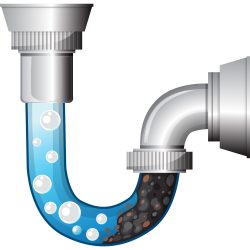
Clogged Drain Pipe with Cleaner and Bubbles Illustration
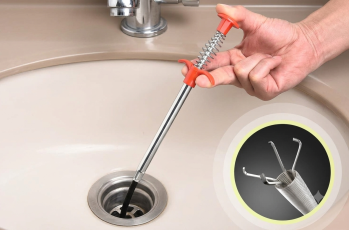
drain snake can get to Bathroom Sink Drain clogs
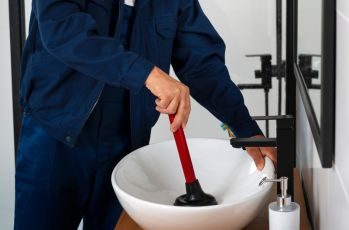
plumbing professional try a Sink Plunger to clean Bathroom Sink Drain

Sometimes stuff collects in the P-trap under the sink. 

Steps:

  • Put a bucket under it.
  • Loosen the P-trap screws.
  • Take out the gunk.
  • Rinse it well.
  • Reinstall securely.

You should always check for leaks after doing this.

A drain snake can get to clogs that’re really far inside the pipe.

You need to put the drain snake into the pipe carefully then you turn it slowly and you pull out the hair or junk that is stuck before you wash it out with water.

This is a way to fix bathroom drain clogs that just will not go away.

A small sink plunger is really good at creating suction that helps loosen blockages in the sink. 

  • Add a little water to the sink.
  • Cover the overflow opening.
  • Plunge firmly several times.
  • Test the drain.

DIY Methods to Avoid

Some methods can damage your plumbing.

Avoid:

  • Excessive chemical drain cleaners
  • You can also try mixing some cleaning chemicals. 
  • Sharp metal objects
  • Be careful not to use excessive force with drain snakes because that can cause problems. 

The thing is, chemical cleaners may corrode the pipes over time which is not good, for the pipes.

When DIY Methods Don't Work

Sometimes the clog is really deep. 

A professional plumber can help if: 

  • Your drain is still slow after trying to fix it times. 
  • Water backs up repeatedly.
  • Multiple drains clog simultaneously.
  • There are sewer odors.
  • You hear frequent gurgling.
  • You see water leaking under your sink. 

These problems might mean there’s an issue, with your pipes.

Professional Solutions for Slow Bathroom Sink Drains

Licensed plumbers use equipment to get rid of blockages in a safe way. They do this so that the blockages are completely gone.

plumbing professional doing his jobin Bathroom Sink Drain

Professional Drain Snaking

Commercial grade drain machines can remove bad clogs. These machines do not hurt the pipes when they are removing the clogs.

Hydro Jetting

The plumbers also use something called hydro jetting. Hydro jetting uses a lot of water pressure to clean the inside of the pipe. It cleans the entire inside of the pipe.

The benefits of using plumbers and their equipment include: 

  • Removes grease 
  • Clears soap buildup
  • Eliminates sludge
  • Restores full pipe diameter

This method is ideal for recurring drain problems.

hydrojetting professional cleaning of bathroom sink drain
Video Camera Inspection in Bathroom Sink Drain

Video Camera Inspection

If clogs keep returning, plumbers may inspect the drain using a waterproof camera.

This identifies:

  • Pipe damage
  • Tree root intrusion
  • Pipe corrosion
  • Gets rid of blockages 

Getting the diagnosis is really important because it helps you avoid fixing things that do not need to be fixed.

How to Prevent Bathroom Sink Drain Clogs

Preventive maintenance saves you time and money.

Here are some helpful tips:

  • Clean the drain stopper every week.
  • It is easy and quick.
  • Flush the drain, with water once a week to keep it clear.
  • Using a drain screen can catch hair and other stuff.
  • Try to avoid washing much hair down the sink.
  • Do not pour products down the drain. 
  • They can cause problems.
  • You should clean the P-trap every months to keep it working well.
  • It is an idea to schedule professional drain cleaning once a year.
  • This can help prevent issues.

Frequently Asked Questions (FAQs)

What is the most common cause of a slow bathroom sink drain?

Hair mixed with soap scum is the most common cause.

Yes. It works well for minor clogs but may not remove severe blockages.

Frequent use is not recommended because harsh chemicals can damage plumbing over time.

A monthly cleaning helps prevent buildup and keeps water flowing properly.

Call a plumber if DIY methods fail, clogs return frequently, or multiple drains are affected.

Final Thoughts

So you have a slow bathroom sink drain. You want to fix a slow bathroom sink drain. Learning how to clear it is really helpful. It can help you fix problems before they get big and expensive. To keep your sink working take care of it regularly. Use ways to clean it. This will keep the water flowing. If the problem, with your bathroom sink drain does not go away or keeps happening it is best to get a professional to clean your drain.

These people are. Have the right tools to fix the problem deep in your pipes. They can look at your pipes. Make sure the water is flowing properly again without breaking anything. If you pay for a professional to fix your bathroom sink drain when you need to it can save you a lot of time and money. Prevent future problems, with your plumbing.

Expert Drain Cleaning Tips |10 Habits to Keep Your Drains Clear All Year

drain cleaning tips

Expert Drain Cleaning Tips |10 Habits to Keep Your Drains Clear All Year

A drain clogged at the wrong time ruins your day fast. Fortunately, you can avoid most blockages with simple daily habits. Skip the stress of searching for a “drain cleaning service near me” at midnight by taking note of some basic drain cleaning tips.

Table of Contents

Instead, start with these 10 proven drain cleaning tips and habits.

1. Use a Drain Strainer Every Day

Place a strainer over every sink and shower drain. It catches hair, food, and debris before they enter your pipes. This single step prevents most clogs.

2. Never Pour Grease Down the Drain

Grease hardens inside pipes. Over time, it builds a thick layer that traps other debris. Instead, pour grease into a jar and toss it in the trash.

3. Run Hot Water After Every Use.

After you wash dishes or use the sink, run hot water for 30 seconds. This flushes residue through your pipes before it has a chance to stick.

4. Flush Drains Weekly With Baking Soda and Vinegar

Pour half a cup of baking soda, then half a cup of vinegar down the drain. Wait 10 minutes. Finally, flush with hot water. Here’s a simple way to clean your drain naturally by breaking down buildup.

5. Keep Hair Out of the Shower Drain

Hair is the top cause of bathroom clogs. Brush your hair before showering to reduce shedding. Additionally, clean your strainer after every shower.

6. Only Flush Toilet-Safe Items

Wipes, cotton balls, and paper towels do not break down. They clog pipes quickly. Only flush toilet paper — nothing else.

7. Schedule Professional Drain Cleaning Annually

Even with great habits, buildup happens. Hence, arrange to have your drains cleaned by an expert drain cleaning tips near me annually. A licensed plumber will remove the blockage before it leads to problems.

8. Avoid Harsh Chemical Drain Cleaners

Chemical cleaners corrode your pipes over time. Moreover, they hardly ever solve deep blockages. Therefore, consider using an enzyme cleaner or contacting a drain cleaner near me.

9. Watch for Early Warning Signs

Act fast when you notice slow drains or gurgling sounds. These signals mean a clog is forming. Catching it early saves you money and prevents a fully drained, clogged situation.

10. Share These Guidelines With Every Member of Your Household

Proper guidelines for drains can be effective only when the entire family observes them. Therefore, make sure that everyone in your family knows these guidelines.

drain-cleaning-tips

Why Do These Drain Cleaning Tips Matter?

Pipe blockages may lead to water damage, foul smell, and even flooding. After all, it is much cheaper to prevent issues than to fix them once they occur. Hence, keep in mind that these simple drain cleaning tips help you keep your drains from clogging and leakage.

If you still cannot find a solution to your problem, you should seek out an inexpensive plumber or drain cleaner near you.

Frequently Asked Questions (FAQ)

How often should I clean my drains?

Weekly maintenance at home, plus professional drain cleaning once a year.

What causes a drain clogged with recurring blockages?

Buildup of grease, hair, or soap scum — or a deeper pipe issue needing professional inspection.

Is it safe to use baking soda and vinegar regularly?

Yes. It is safe, natural, and effective for routine drain cleaning maintenance.

When should I call a drain cleaning service near me?

Call when drains are slow, gurgling, or fully blocked after basic DIY attempts fail.

Can I prevent all clogs with these drain cleaning tips?

Not 100%, but you will significantly reduce their frequency and severity.

Plumbing Camera Inspection: What Is It & Why Do You Need It?

plumbing-camera-inspection

Plumbing Camera Inspection: What Is It & Why Do You Need It?

Have you had issues with slow drains, strange smells, or unexpected pooling of water, and are you trying to locate the source of the problem without damaging walls or your yard? There might be an easy way out of this—the plumbing camera inspection. What does that entail, and why should homeowners get one? In this post, we’re discussing the tool of plumbing cameras and how they can save you time, money, and energy by eliminating unnecessary stress.

What Is Plumbing Camera Inspection?

It is a high-tech technique that allows any sort of leakage or clogs to be detected inside your plumbing systems without digging up anything. In the past, plumbers used to dig holes just to find a leak. Now, we use a plumbing camera inspection to pinpoint the exact spot of the trouble. A tiny, waterproof camera is inserted into the pipes that provides real-time video to the plumber. The camera can move throughout the plumbing system. Therefore, it can take in-depth pictures and videos of any obstructions, leaks, cracks, or corrosion occurring inside the pipes.

Why Do You Need It?

Guessing what’s wrong with your pipeline can be time-consuming and faulty. Instead, a camera investigation can show exactly where the cracks, blocks, or shiftings are. Thus, it ensures less disruption and more precision because the pipe’s condition shows up live on screen. Here are some reasons why plumbing camera inspection is a smarter choice in modern times.

1. Non-Invasive and Damage-Free

The camera check doesn’t tear anything apart. Rather than smashing through walls, tearing up floors, or wrecking your lawn, the pro slides a tiny eye into the pipes. That way, trouble spots show up clearly instead of guesswork. So, property stays intact, and bills stay lower.

2. Accurate Diagnosis

By using a plumbing camera, the actual reason for hidden troubles shows up clearly. Whether roots are sneaking in or there are any tiny splits, drips, or joints out of place—those can be spotted with great precision. Live footage reveals what’s stuck inside the darkness of your pipeline and shows the exact spot needing attention.

3. Quick and Efficient

With clear visuals right away, fixing pipe issues gets faster because there is no guessing. Moving smoothly through narrow passages, the small camera shows exactly where trouble sits. As it takes less time for diagnosis, work wraps up quicker than old methods allow.

4. Cost-Effective Over Time

A plumbing video camera inspection may feel costly at first, but it keeps bills smaller later on. Fixing by guesswork won’t happen when you see exactly where the issue lies. Since problems are diagnosed fast, over time, this adds up in savings.

5. Detect Hard-to-Reach Problems

Some plumbing problems are difficult to detect through traditional means. For example, issues like sewer line blockages, pipe corrosion, or tree root growth can be hard to spot without seeing inside the pipes. A camera inspection allows plumbers to spot these issues quickly.

plumbing-camera-inspection

When Should You Get This Inspection?

You might wonder when to consider a plumbing video camera inspection. Here are some situations where this service can be really helpful:

1. Frequent Clogs or Slow Drains
If your drains get clogged or drain slowly all the time, there might be a problem in your pipes. A video camera inspection of drains can help find out what’s causing it.

2. Unexplained Sewer Line Backups
If your home has sewer backups for no reason, it’s time to get a sewer camera inspection.

3. Foul Odors Coming from Drains
Weird smells from your drains might mean something is stuck in your pipes. A plumbing video camera inspection can find it out.

4. Before Buying a Home
Before you buy a home, consider a plumbing camera inspection to make sure the plumbing system is okay.

5. Tree Root Intrusions
Tree roots often intrude inside your plumbing pipes in search of moisture, causing them to crack or clog.

Final Words

A plumbing camera inspection is a non-invasive, cost-effective tool that helps detect hidden issues like slow drains, sewer backups, or tree root invasions. It quickly pinpoints problems, saving you time, money, and hassle. If you’re facing plumbing issues, search for “sewer camera inspection near me” to find a trusted plumber and address problems early to keep your plumbing system running smoothly.

Five Signs You Need a Drain Camera Inspection Service

drain camera inspection

A sewer or drain camera inspection is among the methods professionals use to identify a sewer or drain issue. This plumbing procedure involves the use of a tiny waterproof camera, attached to the cable. The camera is equipped with a light source to ensure the plumber can get an excellent view of a sewer line or drain.

The camera’s tiny size permits it to penetrate deep into sewer and drain lines, allowing plumbers to detect or identify the issues described below.

drain camera inspection

The indication that You Need a Drain Camera Inspection

  • Smelling Bad Odour In Your Home:

The smell of gas from your sewer in the bathroom or other areas of your home could indicate that your sewer lines aren’t functioning correctly. Odor and gas from sewer lines are potentially dangerous and need to address it promptly.

  • High Water Levels:

If your water level is low one day and rising the next, could also be an indication of serious damage. Your pipes need to check by opting for a drain camera inspection to determine the cause.

  • Noticeable Slow Drainage:

A very apparent visible sign that you require the replacement of your sewer line or inspection is when you are experiencing a slow-draining sink or toilet. Slow draining of a sink or any other appliance is a typical household issue. Spotting it in multiple locations around your house may be an indication of damaged sewer lines.

  • Sewage Blockage:

Blockage can occur when sewer lines are completely blocked; as a consequence, the water is pushed into the sewer lines before it can be pumped then back to your residence. A thorough drain camera inspection is the most effective method to determine the root of the sewage obstruction.

  • A Septic Tank Overflow In Yard:

The most evident sign of a damaged sewer pipe is to find that septic water is accumulating in your yard. The septic tank that overflows in your backyard poses a health risk for your family members. It must deal with promptly.

Conclusion:

Dealing with sewer problems means potentially digging up your property. Still, with fast and efficient camera inspections, you can create a comprehensive picture of your sewer line without leaving any mess. If you need sewer line repair and replacement, top-notch camera inspections will help you identify the services your system requires.